ESG & Sustainability - Reading time: 15 Min

ESG is a term that has become increasingly prevalent in recent years. But what does it actually mean? ESG (Environmental, Social, Governance) encompasses the areas of environment, social issues, and corporate governance. By successfully implementing ESG criteria, companies can not only improve their sustainability, but also strengthen their image in the market. Environment Social Governance is therefore no longer just a trend, but has become an important part of sustainability strategy. In this article, we will examine the ESG significance of the environment, social issues, and governance and highlight the role of companies in promoting sustainable development.
The ESG meaning stands for Environmental, Social, and Governance. These three key areas make a company's holistic approach to sustainability measurable.
ESG criteria are playing an increasingly central role in the assessment of corporate risks, investor decisions, supply chain responsibility, and compliance with legal sustainability requirements.
It encompasses climate and environmental protection, resource conservation, emissions management, energy efficiency, and measures for biodiversity and the circular economy.
This area covers topics such as occupational safety, equality, human rights, diversity, fair working conditions, and commitment to society and the community.
Governance refers to responsible corporate management, including corruption prevention, transparency, supervisory bodies, remuneration structures, and ethical conduct.
ESG ratings and scores are compiled by specialized agencies and are based on publicly available data, company information, and industry-specific benchmarks.
Sustainability criteria are considered a benchmark for future-proof corporate management and are increasingly influencing capital flows: companies with high ESG ratings are considered less risky and more resilient.
Through integration into corporate strategy, reporting according to recognized standards (e.g., ESRS, GRI), and clear sustainability goals in all ESG dimensions.
While CSR (corporate social responsibility) describes voluntary measures, ESG is more measurable, more structured, and is increasingly becoming mandatory due to regulatory requirements.
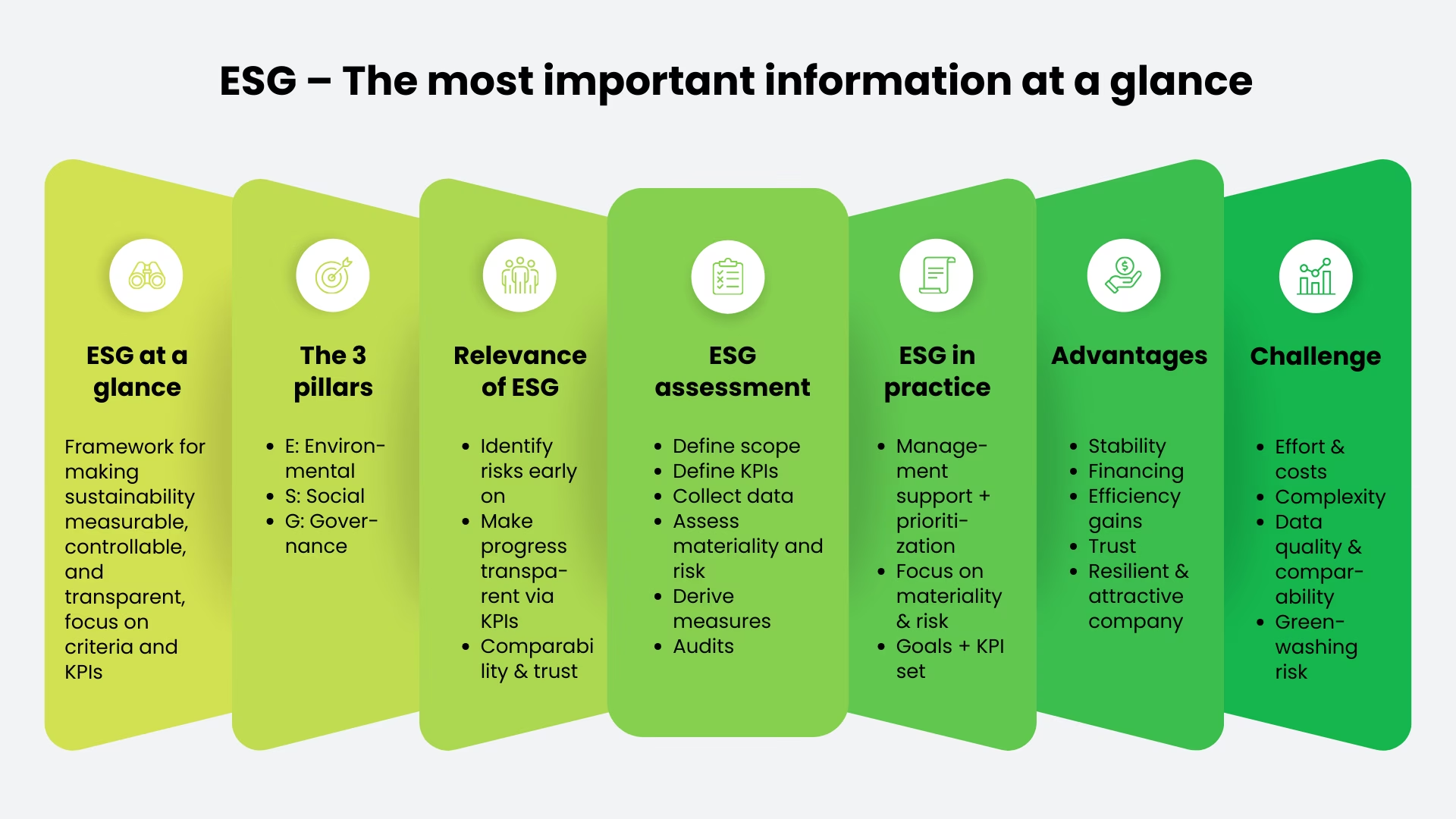
ESG stands for Environmental, Social, and Governance and describes three key areas that companies use to systematically measure, manage, and transparently report on their sustainability performance. Unlike traditional sustainability approaches or CSR, ESG is more focused on specific criteria, key performance indicators, and verifiability, and is increasingly shaped by capital market requirements and regulation. ESG is therefore no longer a “nice-to-have,” but rather a framework for reducing risk, increasing resilience, and building trust among stakeholders.
At its core, it is about how companies reduce environmental impacts, fulfill their social responsibilities, and ensure that goals, processes, and data are reliable through good corporate governance. ESG does not operate in isolation: the three pillars are interlinked – for example, when climate measures have an impact on occupational safety or when supply chain requirements simultaneously affect environmental and human rights issues.
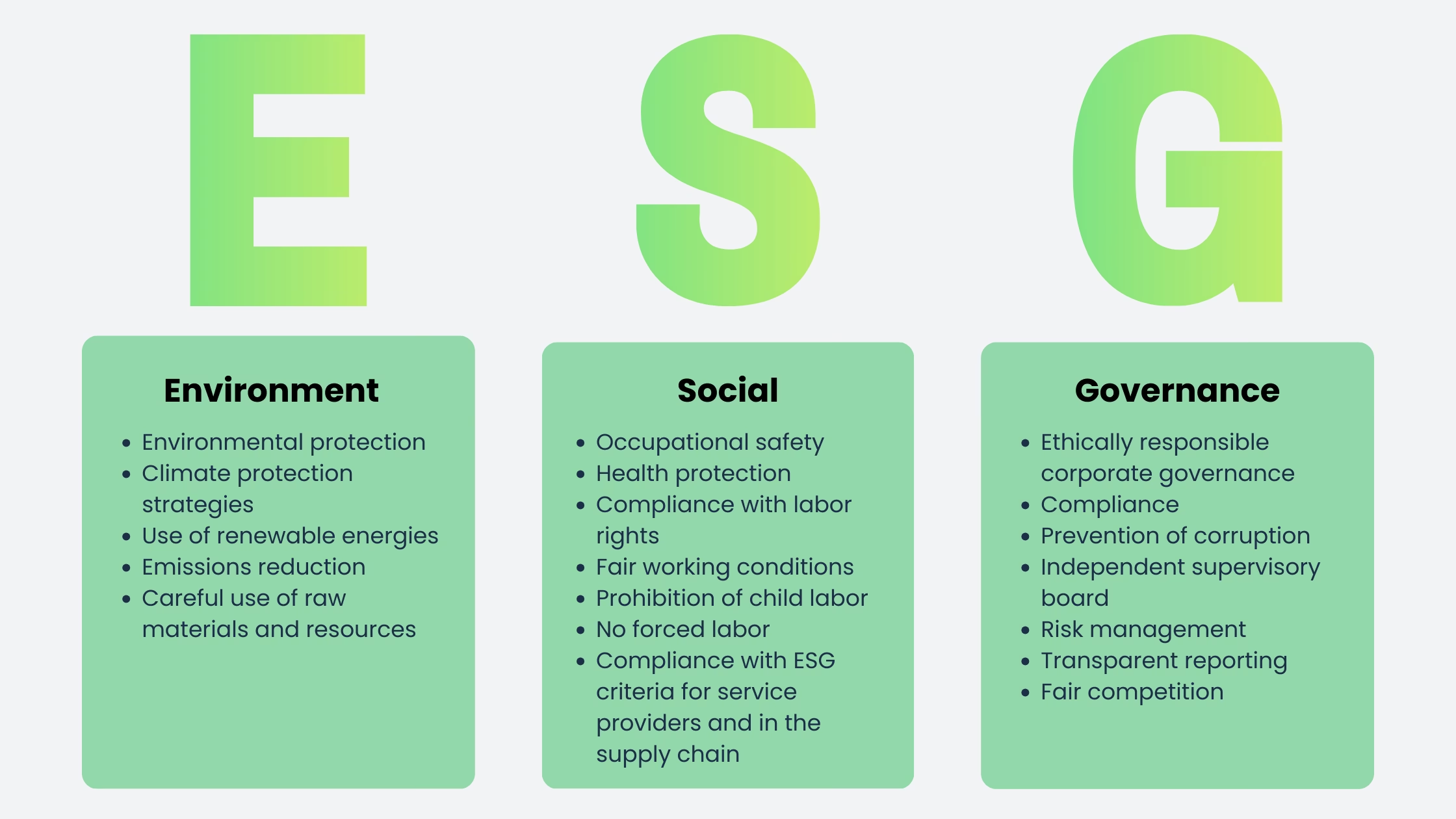
E – Environmental
This refers to a company's impact on nature and the climate, e.g., through CO₂ emissions, energy and resource consumption, waste, recycling, and water. The aim is to reduce environmental impact, make processes more efficient, and document environmental measures in a transparent manner.
Typical key figures in the E area:
S – Social
The social area considers the treatment of employees, suppliers, customers, and society. The focus is on working conditions, human rights, occupational safety, diversity, and social standards, both internally and along the supply chain.
Typical indicators in the S area:
G – Governance
Governance describes how a company is managed: clear responsibilities, compliance, transparency, anti-corruption, risk management, internal controls, and reliable decision-making processes. Governance is often the “backbone” that ensures that E and S measures are not only planned but also effectively implemented and verifiable.
Typical key figures in the area of G:
ESG is becoming increasingly important for companies because investors, customers, and employees increasingly expect sustainability to be implemented in a measurable and transparent manner. The ESG framework helps to systematically manage environmental, social, and governance issues, identify risks early on (e.g., climate, supply chain, compliance), and make progress transparent through clear metrics. In this way, ESG sustainability criteria strengthen trust, improve comparability, and can positively influence financing, reputation, and long-term stability.
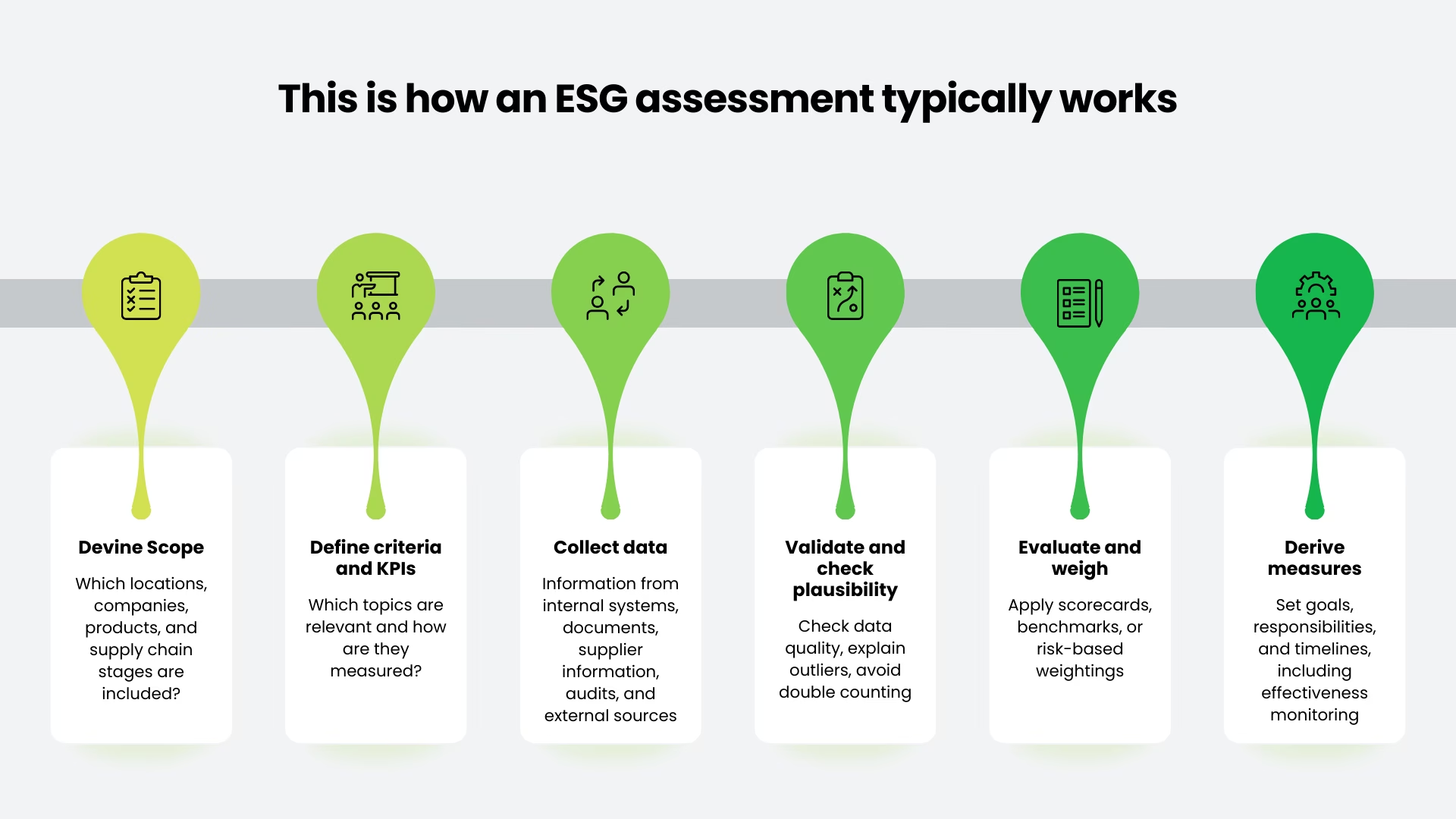
ESG is usually assessed using a combination of key performance indicators and qualitative assessments. To do this, the scope is first defined, then relevant KPIs are defined, data is collected, and checked for plausibility. The results are then evaluated, often according to materiality and risk, and measures, targets, and responsibilities are derived from this, which are regularly reviewed and adjusted.
For ESG to be effective in practice, it needs support from management. ESG should be clearly prioritized, and resources and responsibilities should be used in a binding manner. At the same time, focusing on materiality and risks helps to prioritize tasks. Building on this, companies should define measurable goals and a set of KPIs, manage data cleanly, and integrate ESG into processes and culture. Regular reviews and audits ensure that measures are adjusted and that ESG remains a continuous improvement process.
Good ESG integration improves risk management and increases long-term stability. It can facilitate access to financing, enable efficiency gains (e.g., in energy and resources), and strengthen trust among customers, investors, and employees. Overall, the company becomes more resilient and often more attractive in the market.
ESG often involves initial effort and costs, especially for data, systems, and training. Added to this is complexity due to different standards and the issue of data quality and comparability. Another critical factor is the risk of greenwashing when statements are not substantiated or measures only exist on paper.
ESG is a term that has gained importance in recent years. But what exactly does this abbreviation stand for and what does the ESG framework mean? The term ESG stands for Environmental Social Governance and describes the three pillars of sustainability: environment, social issues, and corporate governance. These three pillars have become an important component of sustainable corporate development.
Various criteria can be used to assess sustainability, ethics, and social impact. ESG criteria make it possible to holistically evaluate companies in terms of their sustainable and ethical practices. When it comes to assessing their commitment to sustainability, various aspects are taken into account. These include measuring CO₂ emissions, sustainability efforts, working conditions, compliance, promoting diversity, and risk management.
A precise definition is important to help companies implement a sustainable structure and take their ESG factors into account. This involves evaluating how companies impact the environment, assume social responsibility, and conduct their business. In short: how they view and implement environmental, social, and environmentally friendly corporate management. These three criteria ensure that companies operate sustainably and can be held accountable for their actions.
The core of environmental, social, and governance is that companies integrate sustainable practices into their business processes. In order to operate sustainably, they must now more than ever take the environment and society into account. They must report regularly on their ESG criteria so that stakeholders and customers are informed about their environmentally friendly activities. This means that they disclose their performance in terms of economic, environmental, and social values.
Not only companies, but also investors use sustainability criteria. They use these criteria to select the companies in which they want to invest. They prefer those that are committed to sustainability. Customers are also placing increasing value on companies that are committed to sustainability. Companies with a high ESG rating can achieve a higher market value than those with a low rating. By paying attention to environmental, social, and governance factors, they are acting in a less risky manner and thus increasing their chances of success.
It is therefore becoming increasingly important for companies to integrate environmental, social, and governance (ESG) guidelines into their business strategy. This also makes it easier to retain long-term investments and customers. However, the introduction of sustainable strategies can bring challenges. Problems can arise from time to time, especially during implementation.
Sustainability factors have emerged because more and more people are concerned about the environment, social issues, and good corporate governance. Investors are realizing that financial gains alone are not enough; moral and sustainable behavior are also important. The idea of sustainability criteria arose in the 1970s during a major oil crisis. At that time, companies had to reduce their environmental impact. This led to more and more people becoming interested in environmental issues.
In the 1990s, the topic of sustainability became increasingly important. Agenda 21, launched by the United Nations, played an important role in this when it was published in 1992 as part of a global action plan for sustainable development. This helped to raise awareness of environmental issues worldwide and to focus on renewable energies, for example. At the same time, social and governance-related issues also gained in importance. The 17 SDGs, launched by the United Nations, are another approach to promoting sustainability and social responsibility in companies.
Questions about working conditions and how corruption is dealt with suddenly became important factors in investment decisions. Over time, various initiatives and organizations such as the Global Compact, the Global Reporting Initiative (GRI), and the Principles for Responsible Investment (PRI) emerged, establishing standards and guidelines for sustainable business practices.
In many countries, governments have responded to this development by introducing new ESG legislation or amending existing laws. These laws require companies to report on their environmental, social, and governance risks and opportunities. Examples include the EU Disclosure Regulation and the French Energy Transition Law. These rules have a major impact on how widely ESG criteria are adopted. They give companies clear reasons to address these issues and be transparent about them.
If you want to not only manage ESG internally, but also present it to the outside world in a comprehensible manner, a clear reporting framework will help. The German Sustainability Code (DNK) offers an established structure for consistently recording and transparently reporting on key ESG issues, particularly as a pragmatic introduction or supplement to other reporting requirements.
ESG is very important for companies today. It means more than just voluntary commitment, because it also involves many legal regulations. A strong sustainability strategy influences how customers and investors view a company. That is why it is important to consider the opportunities and advantages that these regulations offer. These criteria help companies take concrete steps to act in an environmentally friendly and sustainable manner.
It is therefore becoming increasingly important to address environmental issues, social responsibility, and good governance. In short, to be successful, a clear strategy and integration of measures are needed, which must be implemented consistently. It is not just a matter of improving image or attracting potential investors—instead, sustainability should be part of the corporate identity.
Successfully implementing the criteria can also be difficult. That is why it is important that all employees understand and support the strategy. Providing the necessary resources is also important. Companies should think long-term and actively promote environmentally friendly development – this is good for them and for society.
ESG differs from traditional sustainability approaches primarily in terms of structure, measurability, and binding nature. While sustainability and CSR have long been implemented through voluntary measures, mission statements, or individual projects, ESG focuses more on specific criteria, key performance indicators, and verifiable results. This means that sustainability is not only “done,” but also systematically evaluated and controllable.
Another difference is the perspective: traditional approaches often focus on social expectations and reputation. ESG, on the other hand, is closely linked to risk management, corporate governance, and capital market requirements. Investors and banks use ESG data to better assess risks (e.g., climate, supply chain, or compliance risks) and make companies comparable.
In addition, ESG is gaining significant importance due to regulatory requirements. Many requirements are no longer optional, but are increasingly becoming mandatory through reporting standards and legislation. In short, traditional sustainability often describes the “desire” – ESG turns it into “measurement, control, and verification.” Would you like to learn more about sustainability? Click here to read our article on sustainability in business.
An important part of the ESG definition is the environment. Companies should reduce their impact on nature and make decisions that are environmentally friendly. This includes things like saving energy, avoiding waste, conserving resources and reducing CO² emissions. Sustainable business means always keeping an eye on how decisions affect the environment.
Today's customers and investors place great importance on sustainability and want to know what measures a company is taking. When a company is transparent about its environmental protection measures, it can meet the needs of its stakeholders and improve its bottom line. Sustainable corporate governance is important for protecting the environment and securing the future of the planet.
Many environmental measures are most effective when you not only reduce emissions, but also consistently think circularly about materials and products, from design and procurement to take-back and recycling. This allows the circular economy to be practically anchored in the company.
The social aspect concerns the relationship between companies and their employees, customers, suppliers, and society. Issues such as working conditions, human rights, and commitment to the common good are taken into account. Companies must recognize their responsibility and take measures to meet social standards.
Companies influence society by assuming social responsibility. This means that they not only focus on their own profits, but also on how they can have a positive impact on the community. Investors find this increasingly important and are paying more and more attention to it when making investments. Customers and employees now also prefer companies that are considered socially responsible. It is therefore important for companies to act sustainably and incorporate social issues into their management in order to be successful.
A successful ESG strategy takes a holistic view of three areas: environment (E), social issues (S), and corporate governance (G). Environmental and social issues are often at the forefront, but governance is also a central component of the ESG framework. Governance describes how a company is managed and whether clear rules apply and ethical standards are adhered to.
This area covers issues such as transparency, compliance, regulatory adherence, and the fight against corruption. Companies should be aware that sustainable management not only satisfies investors, but also helps them win customers and build long-term business relationships.
Good governance is also crucial because environmental impacts are not just a matter of reputation or cost, but in extreme cases can be discussed as serious damage to ecosystems. The debate about ecocide makes it clear why companies need clear responsibilities, robust controls, and effective prevention and remediation processes. You can find a classification of what is meant by ecocide and why the issue is becoming increasingly important for companies in our article on ecocide.
In practice, the three ESG pillars cannot be neatly separated from one another – they are intertwined and reinforce each other. Environmental measures often have a direct impact on social issues, for example when energy efficiency programs change work processes or when the switch to new materials has an impact on health and safety at work. Conversely, social factors such as fair working conditions, training, or a good safety culture influence how reliably environmental and climate measures are implemented in everyday life.
This is particularly evident in the supply chain: deforestation-free procurement is an environmental issue, but it is often linked to human rights, land rights, and fair incomes. Similarly, strong environmental management can only be credible if governance is right—that is, if there are clear responsibilities, transparent decisions, reliable data, and effective controls. Without these “G” structures, many initiatives remain isolated and difficult to verify.
Companies benefit when they manage ESG in an integrated way rather than thinking in silos. Those who consider environmental, social, and governance issues together can identify conflicting goals early on, prioritize measures more effectively, and use resources more efficiently. This creates synergies: fewer risks, greater resilience, and a sustainability strategy that not only sounds good but also works in practice.
Make sustainability measurable: Our ESG reporting tool helps you to collect data, assess risks and report progress - all in one application.
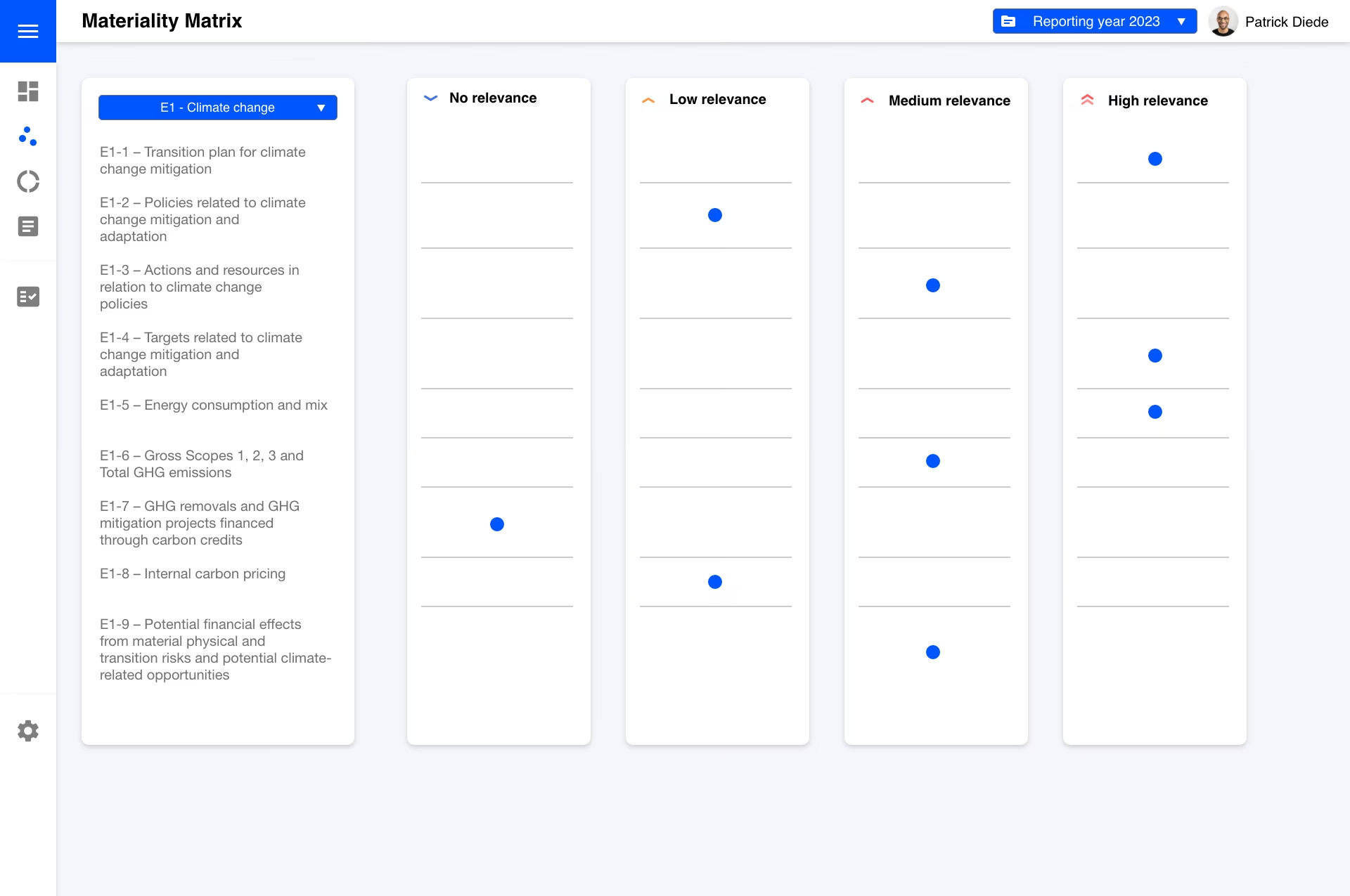
To achieve sustainable development, a clear strategy and implementation of ESG metrics is crucial. The strategy should be based on the three pillars of environment, social, and corporate governance. These should always be taken into account in decisions and business processes. Neglecting these aspects has a negative impact on credibility and financial performance.
It can be difficult to implement a good strategy. Limited resources and a lack of ESG standards make it even more difficult. Our sustainability reporting tool can help monitor environmental impact and promote responsible behavior. Meet the requirements of the Corporate Sustainability Reporting Directive (CSRD) and use the lawcode Suite to efficiently consolidate all data in one place.
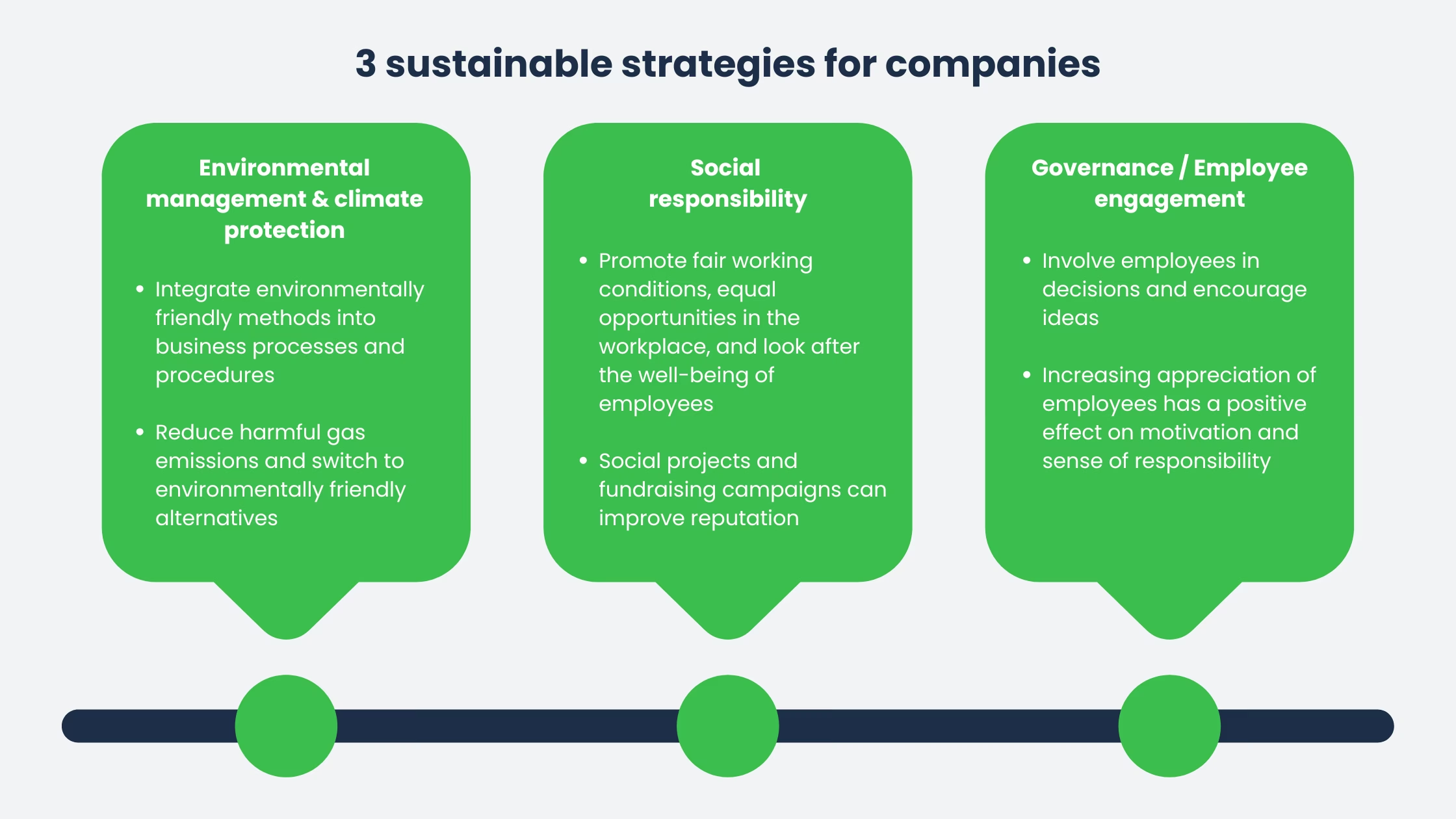
With good environmental management, companies can reduce environmental damage, lower their greenhouse gas emissions, and integrate more environmentally friendly methods into their everyday work. This often saves costs and strengthens the company's image at the same time. In view of global challenges such as climate change, it is particularly important to reduce emissions and, where possible, switch to more sustainable alternatives.
ESG is also gaining relevance because climate requirements are increasingly affecting value chains, especially for imported materials and intermediate products. The Carbon Border Adjustment Mechanism (CBAM) addresses this issue and makes emissions data in the import context a compliance and data issue.
Companies that integrate the ESG framework often strive for a more environmentally friendly supply chain. This means that they are also more likely to choose suppliers who promote sustainable practices and implement environmentally friendly measures in their own operations. It is also important to pay attention to sustainability in the supply chain. More on sustainable long-term supply chain management.
When companies act responsibly, it not only improves their image, but also brings economic benefits. It is important that the measures are taken seriously and integrated wisely into processes. Only in this way can they be successful in the long term and contribute to overcoming global problems.
Typical ESG indicators in the environmental area include:
Social responsibility plays an important role in the successful implementation of environmental, social, and governance measures. This is not only about profit and environmental protection, but above all about ethical standards and the well-being of employees. Equal opportunities in the workplace are just as crucial and can be promoted through diversity programs or mentoring. Fair working conditions are also important for the well-being and productivity of employees. Companies can improve their reputation and help society through social projects or fundraising campaigns.
Typical ESG indicators in the social area include:
Employee engagement also plays a crucial role. Employees must not only understand the company's goals and values, but also be able to actively participate in them. When employees are involved in decisions and allowed to contribute their ideas, they feel valued and taken seriously. This has a direct impact on their motivation and sense of responsibility toward the company's goals.
A positive corporate culture that focuses on sustainability promotes environmentally conscious behavior. Employees help to improve processes and find sustainable solutions. Their commitment strengthens the company's reputation both internally and externally. Therefore, a platform should be created where employees can contribute their ideas and actively participate in shaping the company.
Typical ESG indicators in the area of governance include, for example:
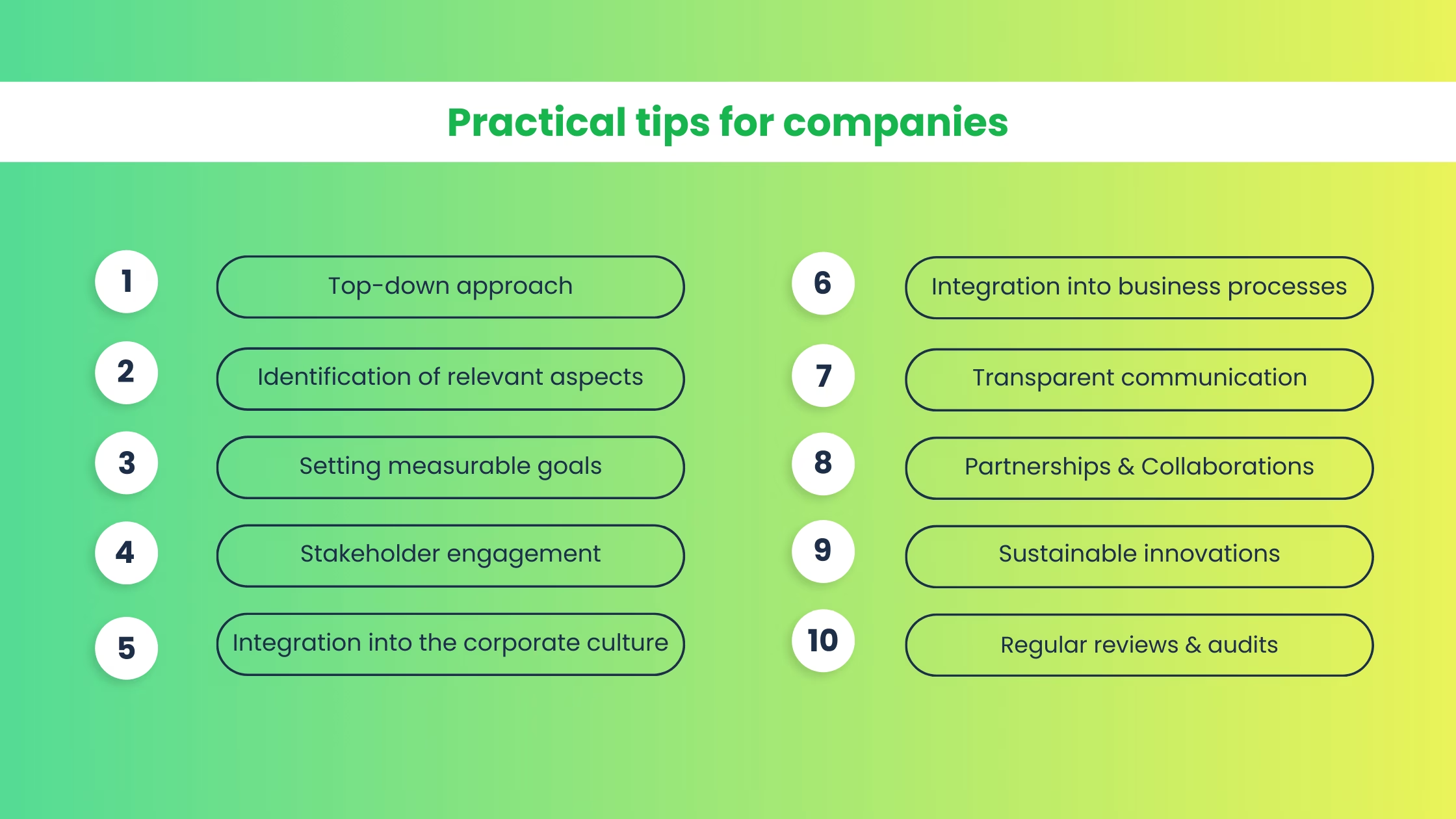
It must be supported by company management and integrated into the objectives. It is important that the strategy is communicated from the top down and supported by all managers.
Companies should examine which criteria are most important for their industry and business activities. This will enable the factors to be integrated correctly.
You should set specific performance targets and measure and monitor them regularly. This allows you to track progress and adjust your strategy if necessary. Learn more about the Sustainable Development Goals (SDGs).
It is important that the company involves all stakeholders in the integration process. Discussions with employees, customers, suppliers, and other stakeholders can yield valuable ideas and perspectives.
Environmental, social, and governance issues should become part of corporate culture and be embedded in daily business practices. This can be achieved through training, internal communication, and incentive systems.
It should be integrated into key business processes, such as product development, supplier management, and risk management. This ensures that all aspects are taken into account comprehensively.
Companies should regularly publish ESG reports detailing their environmental, social, and corporate governance activities. This demonstrates their genuine commitment to making a positive impact and helps build trust among the public.
In order to implement measures and achieve sustainable development goals, it is important to enter into partnerships with non-profit organizations and industry associations. Joint projects and cooperation can greatly increase success in this area.
Companies should focus primarily on finding creative and environmentally friendly solutions, while identifying new business opportunities in the area of sustainability. Sustainable thinking should be firmly anchored in corporate culture in the future.
The strategy should be regularly reviewed, updated, and adapted to new conditions. A continuous improvement process is crucial for success here.
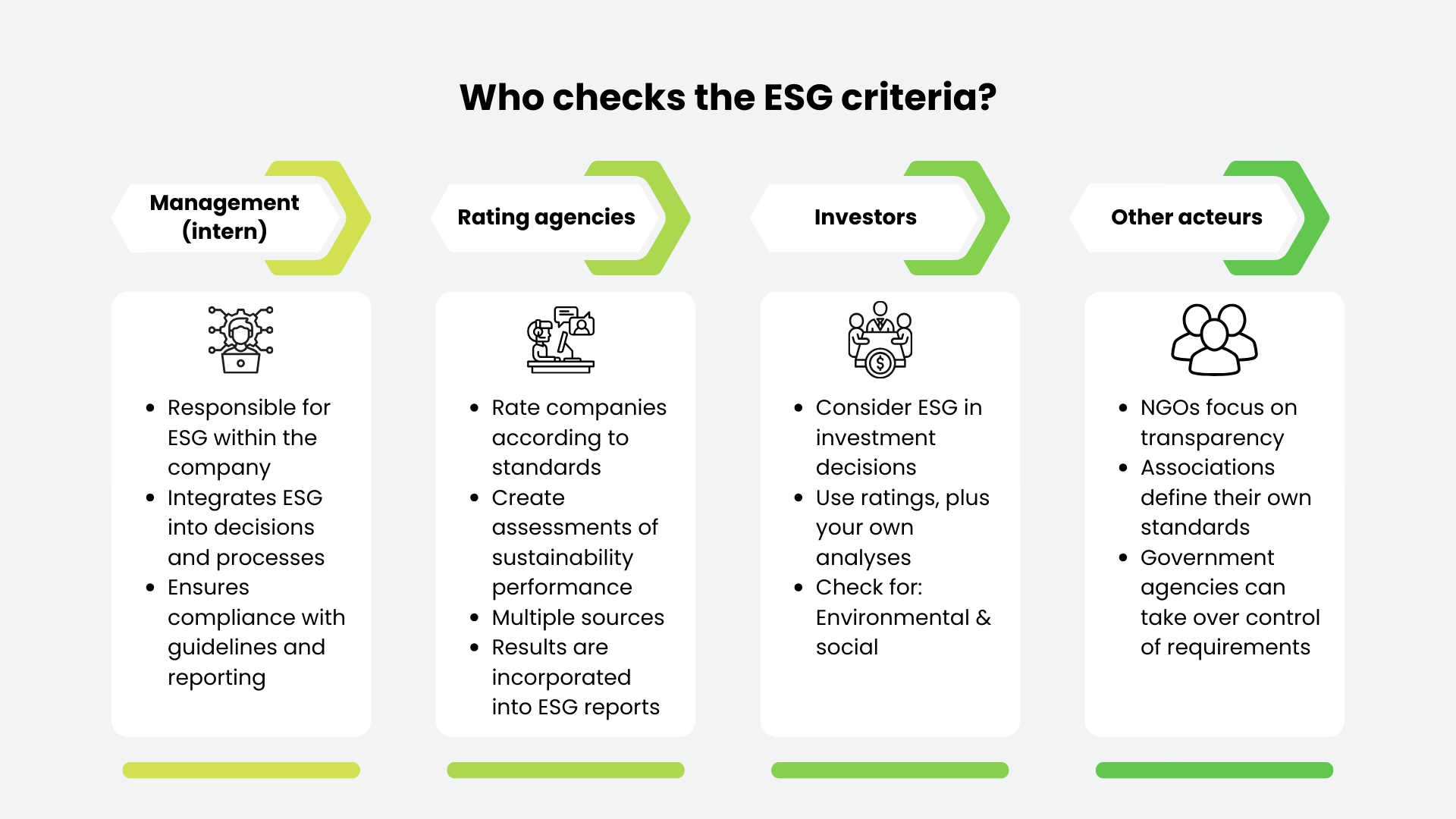
Management has a significant responsibility. It must ensure that the company operates sustainably and meets all important requirements. This includes incorporating environmental, social, and governance issues into decisions and reporting on them regularly.
External specialists such as sustainability rating agencies and ESG rating specialists play an important role in reviewing ESG criteria. They evaluate companies based on clear standards and provide objective assessments of their sustainability performance. The results are recorded in ESG reports. The agencies' methods are constantly improving in order to accurately assess sustainability-related issues.
The agencies use various sources to find out everything they need to know. For example, they look at company reports and databases. They also speak directly to employees or management to obtain more information.
Investors and capital providers are another key player. More and more institutional investors are placing value on environmentally conscious and socially responsible investment opportunities. As a result, they also take ESG criteria into account when making investment decisions. Capital providers not only refer to ESG ratings, but go one step further. They often conduct their own analyses to ensure that the companies they invest in comply with high sustainability standards. The analyses include information on environmental impacts such as CO₂ emissions, carbon footprint, and water resource management, as well as social aspects such as working conditions and human rights issues.
In addition to these key players, there are other groups such as non-governmental organizations (NGOs), associations, and government agencies. They can also play a role in reviewing and evaluating ESG criteria. NGOs often advocate for clarity and accountability and can take a critical view of companies. Associations, on the other hand, often establish their own rules or certificates that companies can use as a guide.
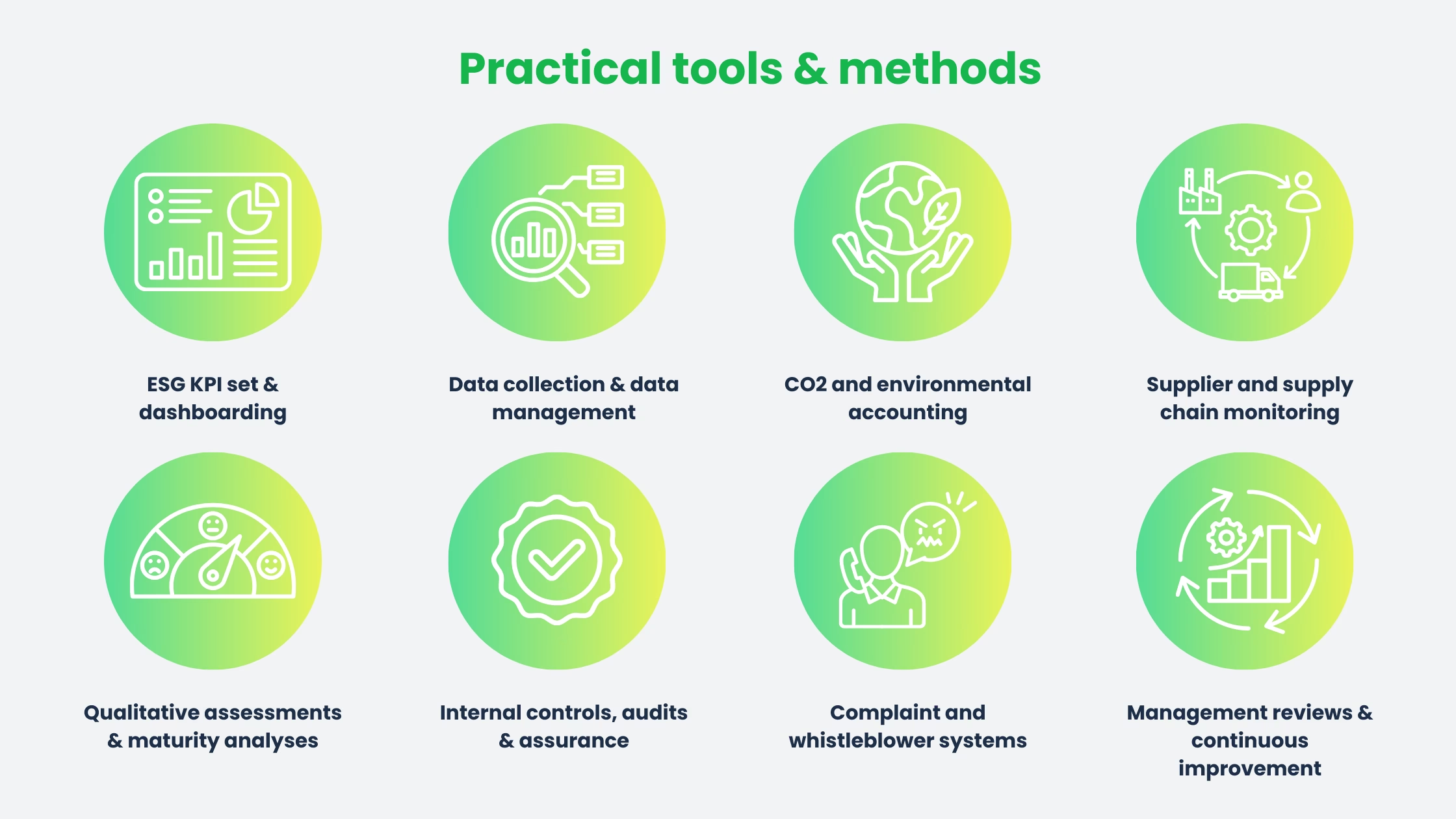
To ensure that ESG does not remain merely a set of goals and declarations of intent, companies need measurable metrics, clear processes, and reliable data sources. Effective monitoring of ESG performance ensures that progress is visible, deviations are noticed early on, and targeted corrective measures can be taken. Depending on the level of maturity, simple evaluations may suffice initially – but in the long term, a more integrated system landscape is often worthwhile.
What is important is not so much the “perfect tool” as a functioning process: clear KPIs, reliable data, fixed responsibilities, and regular reviews. This makes ESG manageable—and progress can be demonstrated to stakeholders in a comprehensible manner.
Incorporating ESG criteria into the business model has many advantages. It means that the company cares about the environment and society, customers remain loyal, its reputation is improved, and trust is built among customers, investors, and potential employees. If these measures are implemented consistently, this has a positive effect on customer satisfaction and the company's image. In the long term, it is important to focus on sustainability criteria in order to be a company that will continue to be successful in the future. Some of these advantages are explained in more detail below:
When companies combine environmentally friendly strategies with sustainability guidelines, this has a positive impact on the environment, society, and finances. Companies that adhere to sustainable practices find it easier to obtain sustainable financing and gain the trust of investors. Good management and consideration of social and environmental aspects can help a company remain stable in the long term and attract customers.
However, it is important to keep a constant eye on challenges such as risk management and potential costs. Environmentally friendly management and the implementation of these criteria offer many opportunities for long-term success and making a positive contribution to society. Environmental pollution is not only an environmental issue, but also a risk in terms of compliance, costs, and reputation.
Integrating ESG sustainability criteria has a positive effect on the value of the company. This helps to better manage risks and remain stable in the long term. Sustainable business practices strengthen relationships with stakeholders, customers, and employees and improve the company's image. This can strengthen customer loyalty and gain public trust. Overall, a strong sustainability strategy offers companies the opportunity to increase their value and achieve long-term success.
Applying ESG principles promotes innovation and supports the development of environmentally friendly technologies and products. The focus on sustainability leads to research in areas such as renewable energies, energy efficiency, and sustainable materials. This not only creates new markets and customers, but also offers companies competitive advantages. ESG-conscious companies know how to use resources more efficiently and reduce energy and material consumption. This has a particularly positive impact on the environment and costs. They also ensure that their supply chain is transparent and optimized and that all rules are complied with.
Companies that pay attention to sustainability criteria not only improve their financial situation, but also ensure long-term stability. With good risk management, problems for the environment and society can be identified and avoided at an early stage. Strong sustainability performance strengthens the trust of customers, investors, and employees and increases the value of the company. A sustainable strategy therefore has positive effects for both the company and the environment.
Companies that openly communicate their environmental and social efforts find it easier to gain the trust of customers and banks. At the same time, the company is seen as a good employer, which helps attract talented employees. Focusing on sustainability not only benefits the company, but also its customers and employees. This creates a win-win situation for everyone.
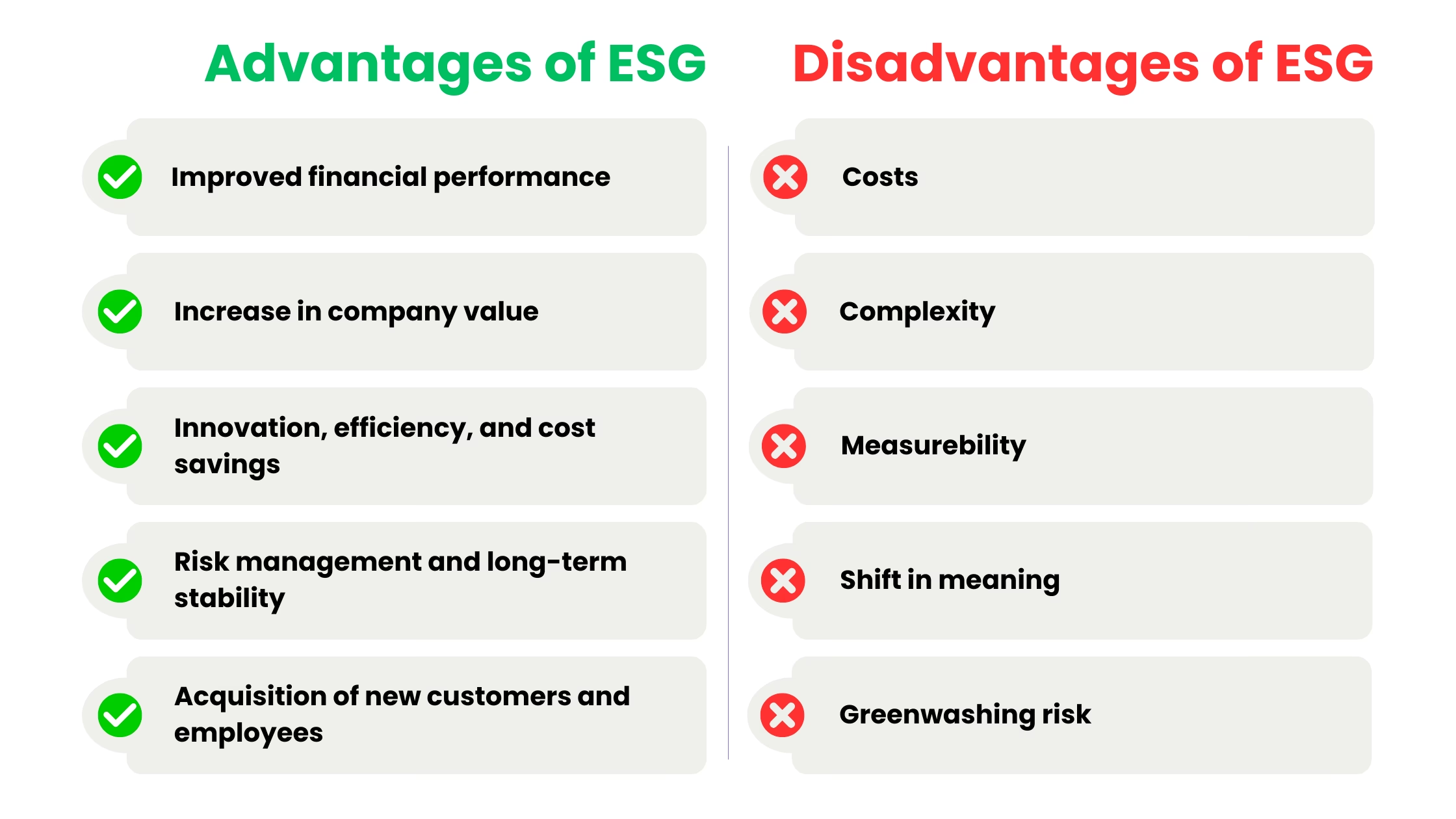
Although environmental, social, and governance offer a variety of advantages, there are also some disadvantages that should be taken into account. Here are the most important ones:
Costs: Implementing these practices often requires investment in new technologies and training. This can result in additional costs. This can be a burden, especially for small and medium-sized companies that may not have sufficient resources.
Complexity: Looking at the criteria means collecting and reviewing a lot of data, creating reports, and monitoring everything. This can be complicated and time-consuming, especially when you have to pay attention to different ESG laws and standards.
Measurability: It can be difficult to assess environmental social governance performance because there are no clear standards and companies are difficult to compare. This makes it difficult to track progress and communicate to other stakeholders how well you are performing.
Shift in focus: Focusing exclusively on sustainability criteria can sometimes lead to a shift in priorities. This could lead to other important aspects being neglected if they are not considered relevant.
Greenwashing risk: Sometimes companies use the concept of sustainability only to create a good image without actually changing anything in their business practices. This so-called “greenwashing” can lead to environmental social governance and the idea of sustainable development no longer being taken seriously.
It is important to also consider the problems and difficulties and take measures to implement sustainable practices effectively and minimize risks. There are certain limitations and challenges in applying environmental social governance that should be kept in mind. However, it is not always easy to act in an environmentally friendly manner. Small businesses in particular may find it difficult to allocate sufficient resources to meet the requirements.
To check and evaluate ESG (environmental, social, governance) criteria, many companies and external bodies use a combination of measurable indicators and qualitative assessments. The aim is not only to examine environmental impacts, working conditions, and corporate structures on a case-by-case basis, but also to systematically record them and make them comparable. To this end, data from various sources is collected, checked, and evaluated using clear assessment logic. Modern tools and software help companies to structure large amounts of data, identify trends, and document evidence in a traceable manner.
In practice, the assessment of ESG criteria usually follows a similar process, regardless of whether the assessment is carried out internally or by rating agencies, auditors, or investors
Important: An ESG assessment is not a one-time check, but works best as an ongoing improvement process in which progress is regularly reviewed and measures are adjusted.
ESG ratings are based on a mix of internal and external data. The scope and level of detail vary depending on the topic and degree of maturity – the key thing is that sources and assumptions are clearly documented.
Typical internal data sources:
Typical external data sources:
Data is not always fully available, especially in the supply chain. This makes a risk-based approach all the more important: don't tackle everything at once, but first focus on the areas where the greatest risks and leverage lie.
Quantitative analyses use key performance indicators (KPIs) to objectively measure ESG performance, track developments over time, and make targets manageable. Such KPIs also help to compare locations or business units and report progress transparently.
Examples of quantitative KPIs:
Quantitative data is particularly effective when it is clearly defined (e.g., same calculation methods) and regularly reviewed in a dashboard or report.
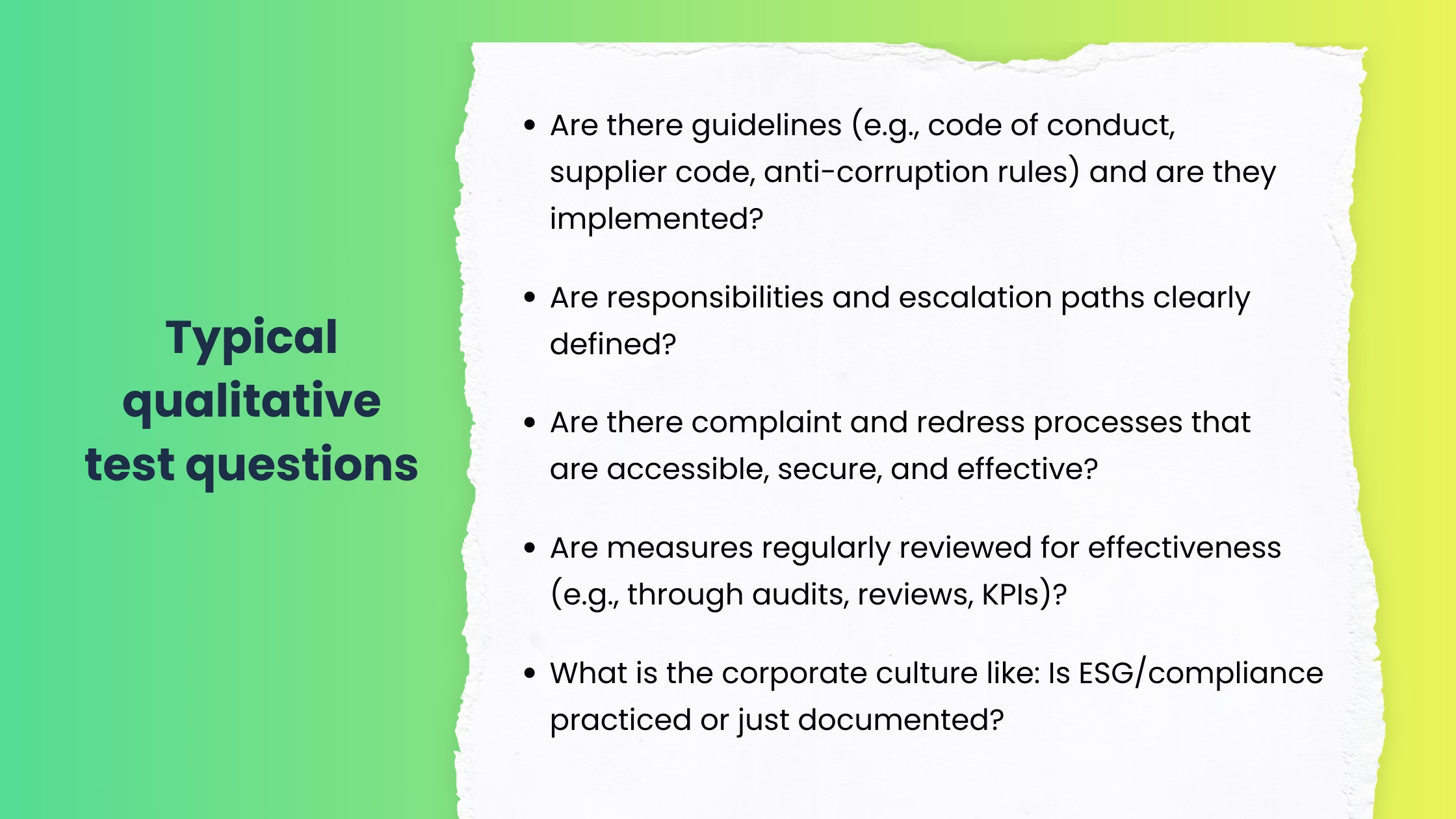
Qualitative analyses supplement key figures where pure numbers are not sufficient. They assess whether structures and processes actually work—in other words, whether a company identifies risks early on, whether responsibilities are clear, and whether measures are effective in practice. This often involves interviews, document reviews, spot checks, and maturity assessments.
Typical qualitative audit questions:
Qualitative analyses are particularly important to avoid “sham compliance” – situations in which rules exist on paper but are not enforced in everyday life.
Many ESG assessments use scorecards and weightings. This makes sense because not every issue is equally relevant for every industry. For example, a manufacturing company will be assessed more heavily on energy and emissions than a service provider, whereas governance and compliance issues may be similarly important in many industries.
Frequently used logics are:
This creates an overall picture that not only measures “how high” a value is, but also assesses how well the company is performing.
For ESG ratings to be reliable, data must be trustworthy and verifiable. Especially when it comes to external inquiries (ratings, customer requirements, reporting), it is important that figures and statements can be substantiated in a comprehensible manner.
Important quality criteria:
A practical approach is to treat ESG data similarly to financial data: with responsibilities, controls, and regular audits. Here, we explain which additional IT security and resilience requirements become relevant with NIS2.
The real benefit comes when assessments are not just “reportable” but lead to better decisions. That's why results should always be translated into an action plan – with priorities, responsibilities, deadlines, and regular effectiveness checks.
In short, ESG assessment is more than just data collection. It is a tool for reducing risks, making progress measurable, and embedding sustainability as a management process within the company.
A clear definition of ESG is essential for any company striving for a sustainable future. The impact of corporate management on the environment and society is becoming increasingly important for customers, investors, and other stakeholders. A clear definition of measures helps to achieve sustainability goals.
At the same time, it demonstrates a commitment to environmentally friendly and socially responsible practices. There are various criteria that must be taken into account when evaluating sustainable investments and sustainable finance. These include the impact on the environment, corporate governance, and social responsibility. The triad of environmental, social, and governance has become increasingly important in recent years. A clear definition of environmental, social, and governance is at the heart of every successful corporate strategy and every investment approach with sustainability as its objective.
In addition to the CSR Directive and the EU Taxonomy of the European Union, incorporating environmental, social, and governance considerations is important for companies today in order to remain competitive and stand out from the competition.
ESG stands for environmental, social, and corporate governance. It describes how companies manage their impact on the environment and society and how responsibly they are managed. ESG makes these issues measurable and comparable—internally for management and externally for stakeholders.
ESG is increasingly influencing how customers, investors, and banks evaluate companies and what requirements they impose. Good ESG structures help reduce risks such as supply chain problems, reputational damage, or regulatory violations. At the same time, ESG can bring competitive advantages, for example in tenders or financing terms.
CSR often describes voluntary responsibility and activities undertaken by a company – often with a stronger focus on communication. ESG, on the other hand, is more structured, data- and key figure-oriented, and is increasingly driven by regulation and capital markets. Sustainability is the overarching term; ESG is a concrete framework for managing and demonstrating sustainability in operational terms.
E includes, for example, emissions, energy efficiency, resource consumption, waste, water, and biodiversity. S covers, among other things, working conditions, occupational safety, human rights, diversity, and responsibility in the supply chain. G concerns, for example, compliance, anti-corruption, transparency, supervisory bodies, remuneration systems, and ethical behavior.
A pragmatic start is to take stock: Which ESG issues are truly essential for the business model and stakeholders, and where are the greatest risks? Based on this, goals, responsibilities, and an action plan are defined, including initial KPIs. It is important to start small, but to set up the process in such a way that it can be scaled up later.
Typical KPIs include CO₂ emissions, energy and water consumption, accident rates, staff turnover, training, compliance cases, and supplier evaluations. The data comes from internal systems (e.g., ERP, HR, EHS) as well as from supplier declarations, audits, or questionnaires. Data quality is crucial: sources, assumptions, and calculations should be documented in a traceable manner.
ESG ratings are compiled by specialized agencies and are based on public information, company data, and industry-specific benchmarks. Differences arise because providers use different data sources, weightings, and assessment logic. It is therefore important to support your own story with reliable evidence and to provide data consistently.
Supply chains are a key ESG lever because they give rise to many risks for the environment and human rights—especially in upstream stages. Due diligence obligations such as LkSG/CSDDD set minimum requirements for this, for example, for risk analysis, prevention, remediation, and complaint mechanisms. Companies that integrate this early on reduce risks and become more compatible with customer and regulatory requirements.
Data gaps, limited resources, complex supply chains, and the development of new processes and IT support often pose challenges. Costs arise primarily from data collection, training, controls, and supplier programs. It makes sense for companies to prioritize, start with the biggest risks, and roll out solutions step by step instead of trying to do everything at once.
ESG communication is credible when statements can be substantiated with concrete data, targets, progress, and limitations. It is important not only to mention successes, but also to be transparent about challenges and explain methodology and data sources. Clear responsibilities and verifiable evidence significantly reduce the risk of greenwashing.

 DE
DE