ESG & Sustainability - Reading time: 18 Min

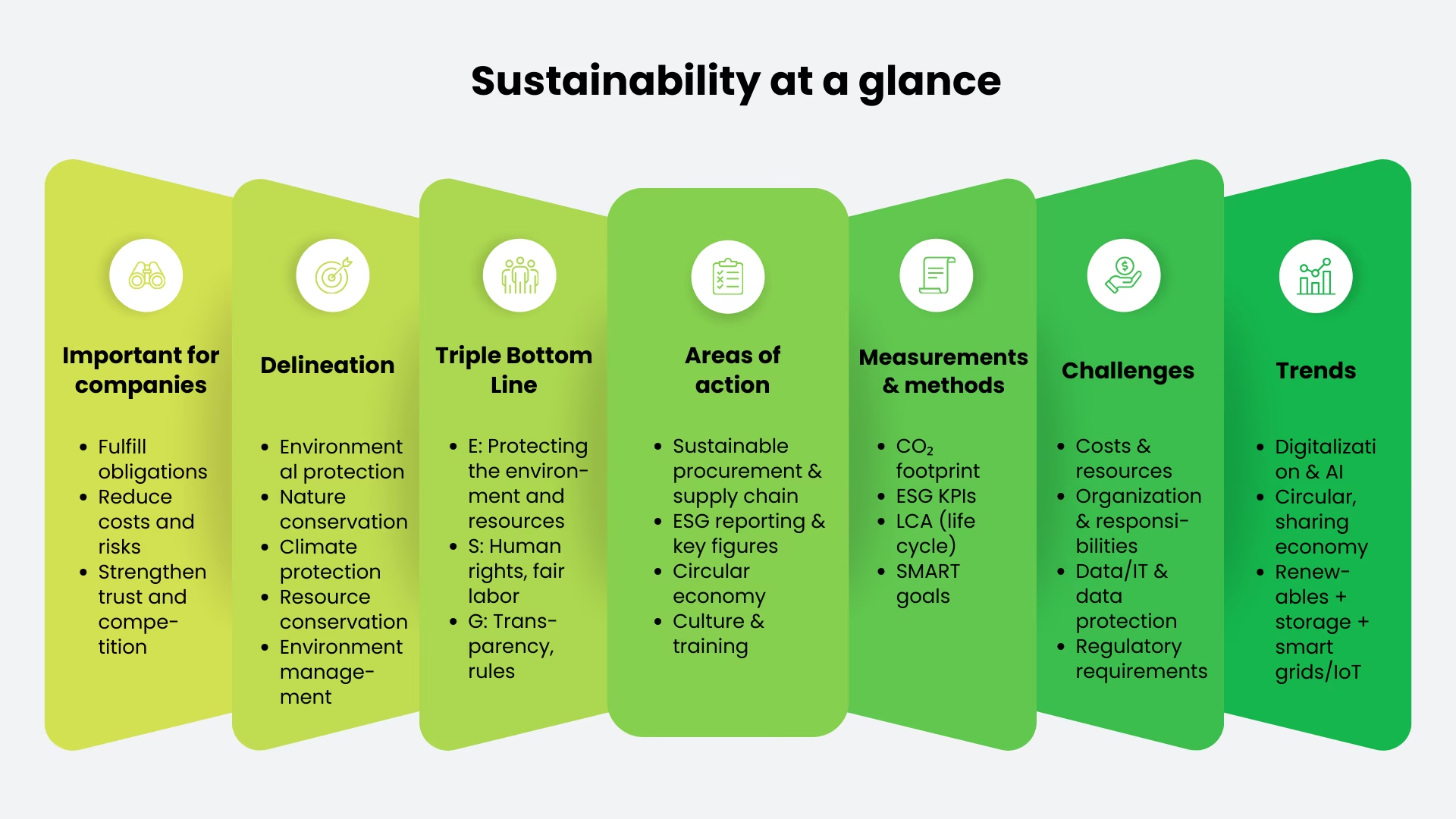
Sustainability has long been a key issue in the corporate world. But what does "sustainability" actually mean and what principles are behind it? In this article, you will find out how the term has developed and what basic ideas characterize it. We also look at why sustainable action is strategically relevant for companies today. From its origins in 18th century forestry to the global goals of the United Nations: Sustainability shows how important resource conservation, responsibility and long-term thinking are for business and society. Those who take sustainability seriously not only strengthen the environment and social standards, but also future viability, trust and competitiveness.
The definition of sustainability refers to the principle of integrating ecological, economic and social responsibility into business strategies in equal measure and on a long-term basis.
Sustainability helps companies to meet legal requirements (e.g. CSRD, LkSG), reduce risks and at the same time build competitive advantages and a better image.
E stands for Environment (environment: climate, resources, CO₂), S stands for Social (human rights, working conditions, diversity), G stands for Governance (compliance, transparency, responsible leadership).
Key areas of action are sustainable procurement, measurable ESG reporting, circular economy including carbon accounting and a value-oriented culture to retain employees.
The best way for companies to start is with an inventory, a materiality analysis, clear objectives including an action plan and structured reporting and communication.
Sustainable business often improves financing opportunities, opens up new markets and partnerships and makes business models more stable and crisis-proof in the long term.
Today, sustainability means more than just "being environmentally friendly". It is about thinking about the environment, social issues and the economy together and making decisions in such a way that we meet the needs of today without jeopardizing the opportunities of future generations. Sustainability is becoming increasingly strategic for companies: it helps to reduce risks, meet requirements and build trust with customers, employees and investors.
Sustainability supports companies in this,
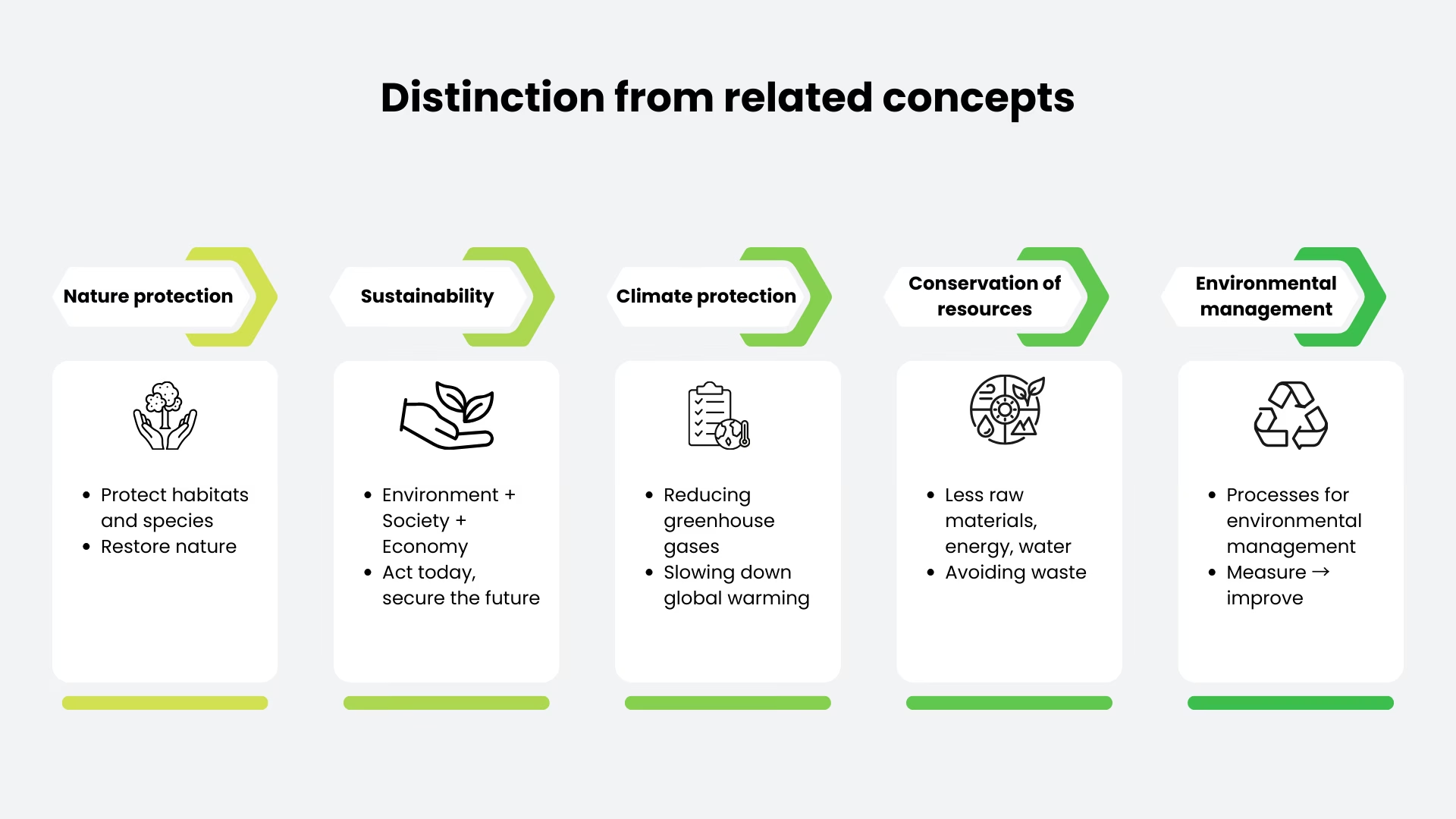
Sustainability is broader than environmental protection: environmental protection focuses on specific ecological measures, while sustainability also integrates social and economic aspects. It is helpful to differentiate sustainability from related terms:
The 3-pillar model ("triple bottom line") makes it clear that sustainability only works if the environment, economy and society are considered together and mutually reinforce each other.
For sustainability to work in everyday life, it requires structure rather than individual measures. Clear goals, measurable key figures and implementation that is built into processes are crucial.
Typical fields of action are
The best way to get started is step by step, with a clear view of your own priorities and risks.
Sensible starting points:
Sustainability becomes controllable when progress is measurable. This requires key figures, suitable methods and regular reviews.
Examples of useful measurement approaches:
Certifications and labels help to credibly demonstrate sustainability to the outside world and to structure it internally. However, they are not interchangeable; what is important is the fit with your own goal and the industry.
Examples:
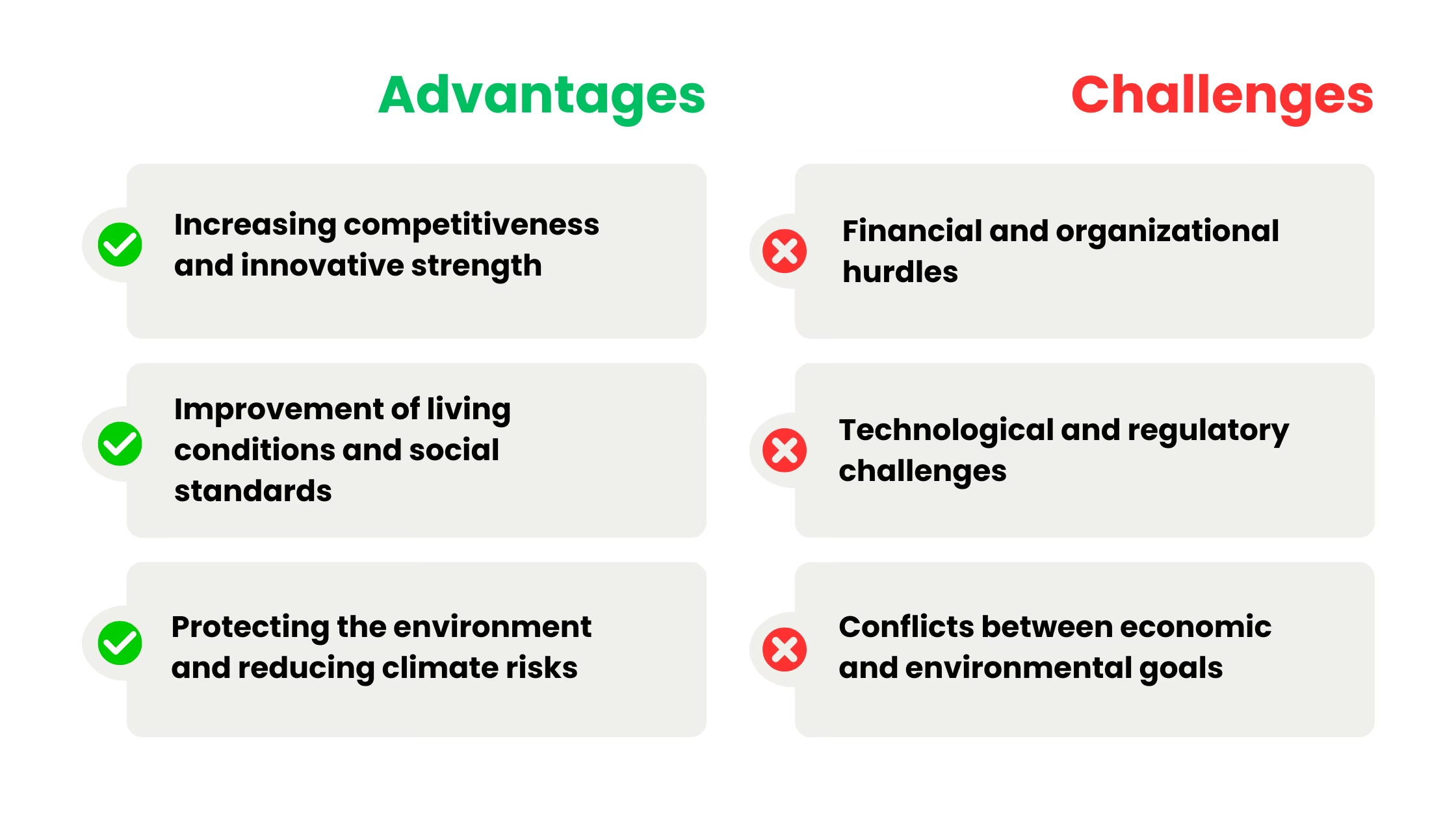
Sustainability is rarely a "quick win". Frequent hurdles are:
Digital tools help to collect data, make supply chains more transparent and simplify reporting. AI can identify patterns and optimize processes, but it does not replace responsibility. New models such as the circular economy and sharing economy are also gaining in importance. In the energy supply sector, innovations in solar, wind, storage (battery/hydrogen), smart grids and IoT are continuing to drive change.
Today, sustainability is not just an environmental issue, but a strategic building block for future-proof companies. Those who understand the most important concepts, set clear goals, make measures measurable and bring responsibility into processes reduce risks, strengthen trust - and build long-term competitiveness.
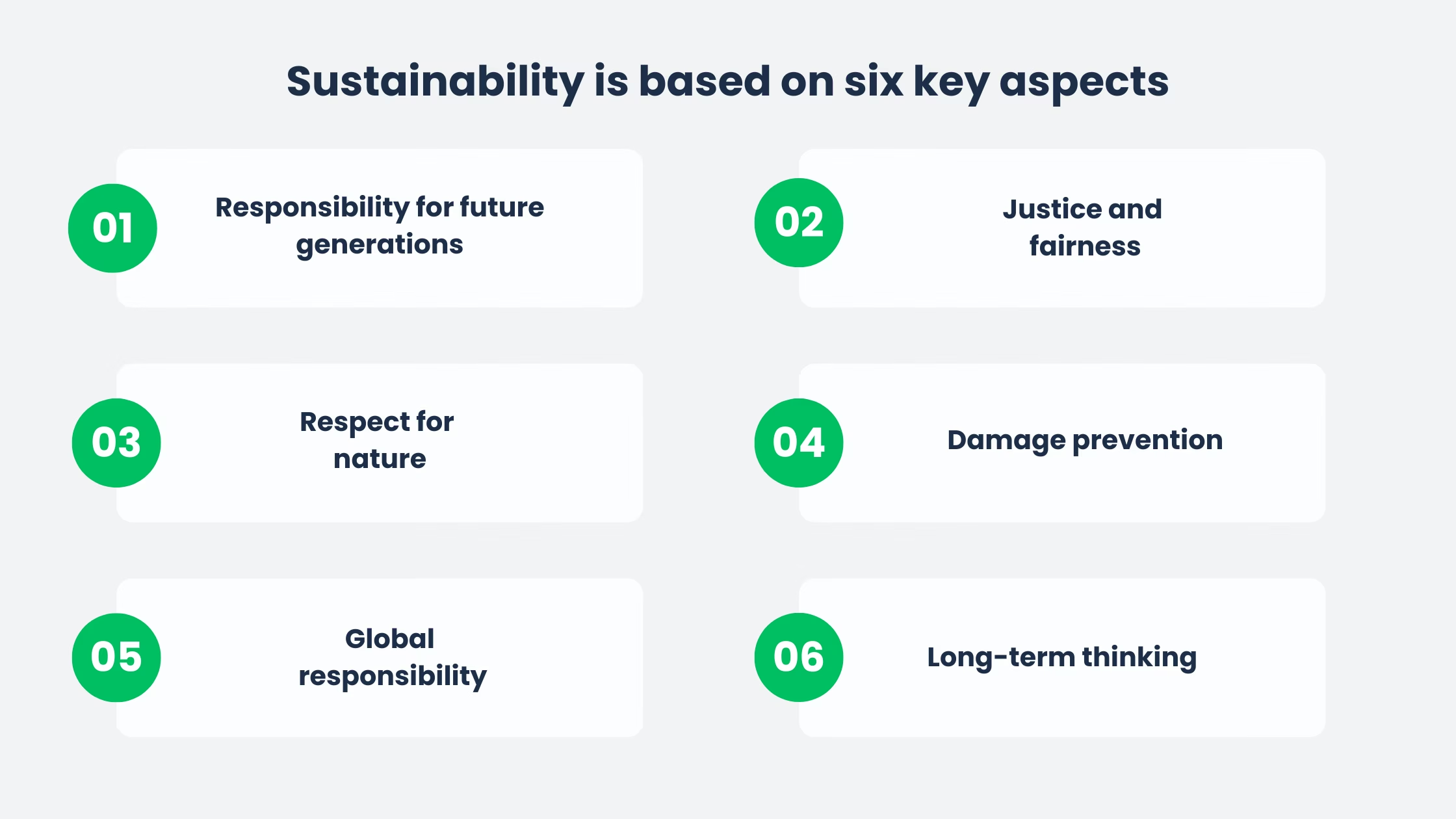
Sustainability is an important topic that has received more and more attention in recent years, both in society and in companies. But what exactly does it mean? In short, it is about satisfying the needs of the present and meeting their needs without restricting the ability of future generations. The basic idea of sustainability states that we must not live today at the expense of tomorrow, or that we should not consume more today than can be provided again in the future.
This idea links the environment, the economy and society. It also pursues the goal of enabling fair and sustainable development worldwide. Sustainability is not just an environmental or economic issue, but also an ethical principle. It means taking responsibility and acting in such a way that the needs of the present generation are met without jeopardizing the opportunities of future generations. This requires a balance between ecological, social and economic interests. Sustainable action therefore requires us not only to evaluate decisions in the short term, but also to consider their long-term consequences for people and the environment.
Together, these principles ensure that decisions are made responsibly, that different interests are weighed up fairly and that our actions are sustainable in the long term - in other words, that resources and opportunities are used sustainably and fairly.
The term "sustainability" has a long history dating back to the 18th century. At that time, the principle of only taking as much wood as can grow back was established in forestry. This understanding of the responsible use of resources, based on nature's ability to regenerate, still characterizes the core of sustainability today: acting in harmony with the environment and ensuring livable conditions for future generations.
An important milestone was the report "Our Common Future" (1987) by the World Commission on Environment and Development, also known as the Brundtland Commission. It explains sustainable development as follows: We should meet the needs of today without compromising the opportunities of future generations. This definition has strongly influenced the global debate on environment and development and still forms the basis of many political and corporate strategies today.
The global importance of sustainability can also be seen in the 17 Sustainable Development Goals (SDGs). The goals were adopted by the United Nations in 2015. They combine environmental, social and economic issues and address major challenges such as poverty, inequality, climate change and environmental protection. States, companies and people should work together to achieve these goals by 2030. The aim is not only to take responsibility, but also to use them as opportunities for innovation and sustainable growth.
Sustainability and environmental protection are closely related, but they are not the same thing. Environmental protection focuses primarily on concrete measures to protect nature and resources and reduce environmental damage. This includes, for example, protecting ecosystems, reducing pollutant emissions or using water, soil and raw materials responsibly. The focus is usually on the direct and short-term impact on the environment.
Sustainability, on the other hand, is more comprehensive. It combines environmental, social and economic issues and asks: How can we live and do business well and sustainably today without jeopardizing the opportunities of future generations? This includes not only environmental protection, but also fair working conditions, responsible supply chains and economic development that is viable in the long term.
In practice, this means that environmental protection primarily pursues specific ecological goals, while sustainability is broader and also includes social and economic issues. A company can implement sustainability through ESG, for example. ESG means environmental and social issues as well as responsible corporate governance. These topics are systematically anchored in the strategy and supply chain. This distinction is important so that companies can set clear priorities and develop effective measures.
These distinctions help to understand the different approaches and develop effective strategies to protect the environment and promote sustainability.
Sustainability is becoming increasingly important for companies. This is mainly due to challenges such as climate change, dwindling resources and social inequalities. Companies therefore need to develop their business models further. They should be economically successful and at the same time take greater account of the environment and society.
Sustainability is more than just image for companies. Companies that work sustainably can reduce costs, for example by using energy and resources more efficiently, while at the same time reducing legal risks. This is because new regulations such as the CSRD (sustainability reporting) and the CSDDD (supply chain obligations) require companies to prove that they are compliant. Those who fail to do so risk penalties, reputational damage and, in case of doubt, legal consequences.
Sustainability can also strengthen competitiveness. Many customers and investors are now paying more attention to how responsibly a company acts and prefer providers that operate sustainably. Companies that are clearly committed to sustainability can set themselves apart from the competition and gain a real market advantage.
In short, sustainability is not a short-term trend, but an important building block for sustainable business. Companies that act sustainably not only improve their impact on the environment and society, but also strengthen their long-term stability and economic success.
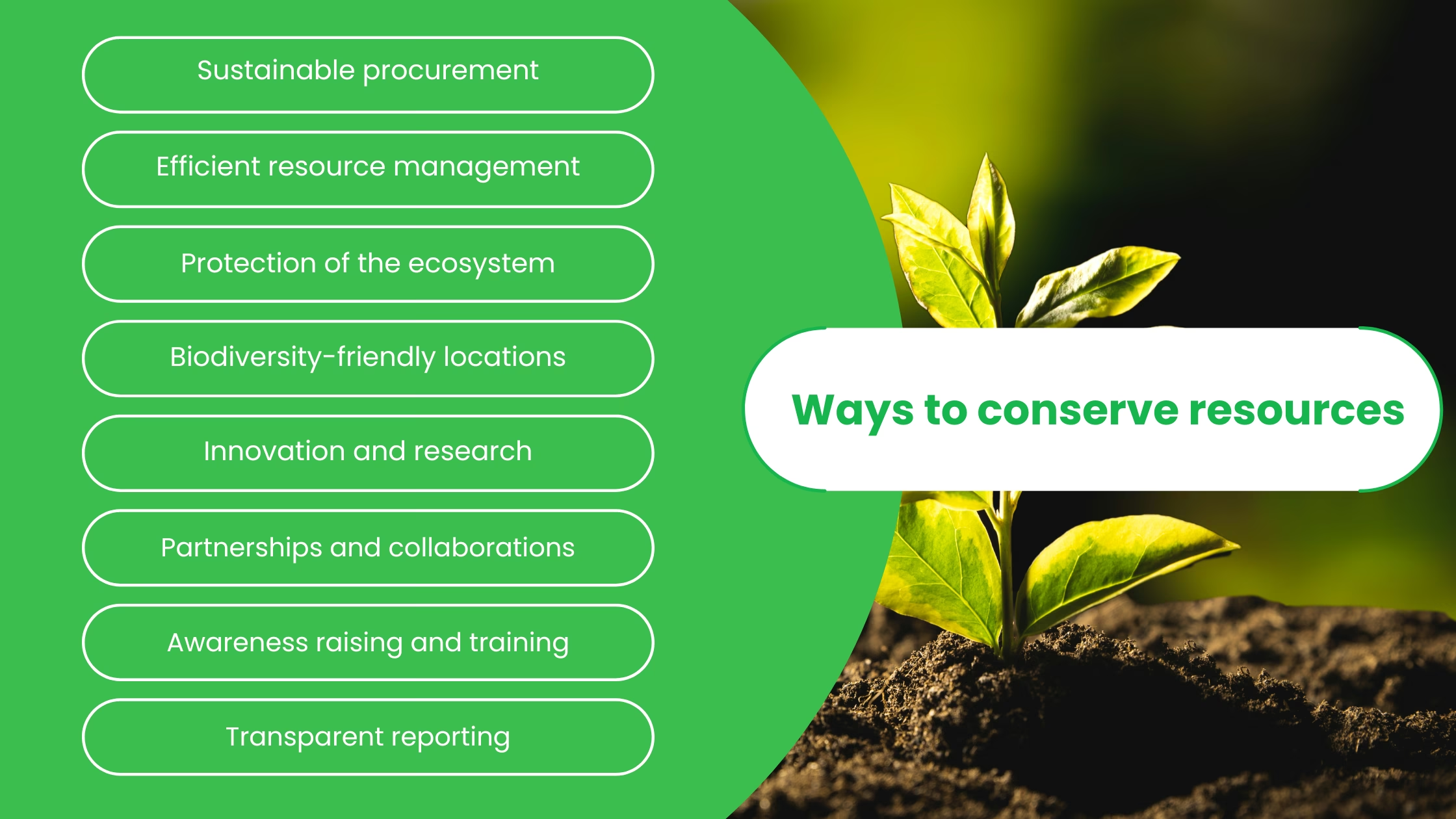
The protection of natural resources and biodiversity is an important part of sustainable corporate governance and is also part of ESG practice. It not only has short-term effects, but can also strengthen competitiveness in the long term. Companies should therefore minimize their impact on ecosystems and specifically promote measures that preserve nature and biodiversity.
Companies can protect natural resources and biodiversity by implementing a range of best practices and strategies:
With these measures, a company not only protects resources and biodiversity. It also strengthens its competitiveness and reputation in the long term.
In order for companies to reduce their environmental impact, they must comply with regulations such as the EUDR (against deforestation) and the CSDDD (Supply Chain Directive). These rules require companies to closely examine their supply chains and prove that their products do not contribute to the destruction of forests, habitats or biodiversity - either directly or indirectly.
Companies that protect natural resources often gain more trust from customers, partners and investors. This strengthens their reputation on the market. At the same time, it helps to secure a sustainable future that is both ecologically and economically stable in the long term.
Social justice and good living conditions are closely linked to sustainability. Sustainability means that we can live well today without compromising the opportunities of future generations. This is not just about environmental issues, but also about social issues.
Social justice means that resources and opportunities are distributed fairly. When sustainability also includes social issues, people who are otherwise often disadvantaged are supported in particular. This creates a fairer society in which more people have the chance of a healthy and good life.
Many sustainability measures have a clear goal: to improve the quality of life. This includes reducing social inequalities, promoting health and creating more access to education and fair opportunities. Clean air, clean water and healthy soil have a direct positive impact on health. Sustainable urban planning can also make a big difference, for example through more green spaces, short distances and environmentally friendly mobility.
A high quality of life is not only important for the individual, but also strengthens entire societies. When ecological and social issues are considered together, a holistic approach is created: it helps to reduce environmental pollution and at the same time reduce social inequalities.
Social justice and a better quality of life support the long-term goals of sustainability. When we promote a fair and inclusive society, cohesion grows and a stable basis for sustainable development is created.
A stable economy is important for a sustainable future. Sustainability not only affects the environment, but also the economy and society. When the economy is stable, prosperity, security and new ideas arise and this helps to implement sustainability in the long term.
Economic stability means that a country or a company can grow in the long term, secure jobs and provide a good standard of living. This protects against major crises and fluctuations, which often increase social inequality and can lead to greater exploitation of the environment and resources.
Long-term development means that we live and do business well today without compromising the opportunities of future generations. This requires investment in education, research and technology. This creates innovations that bring economic benefits and at the same time take greater account of the environment and resources.
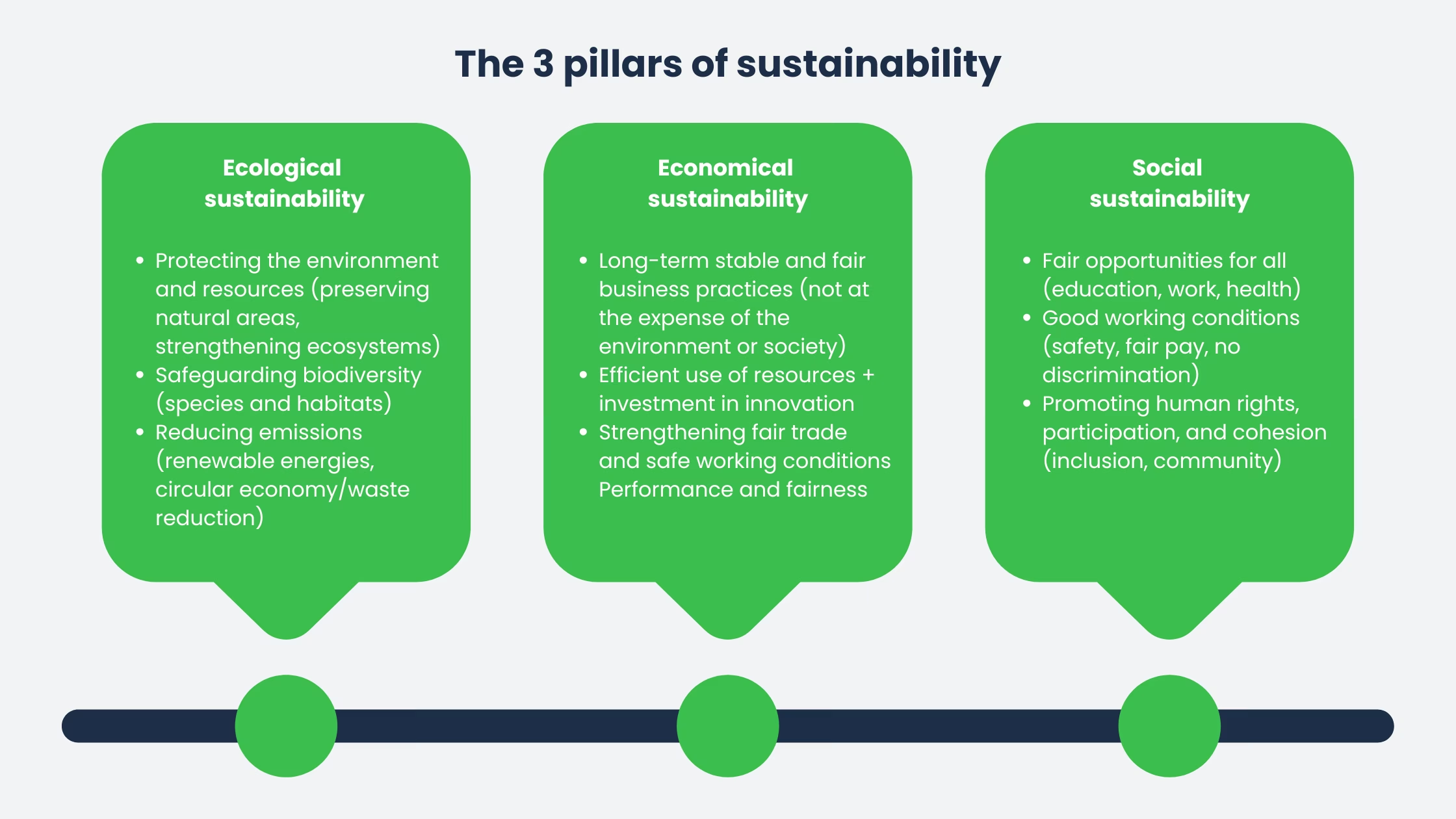
Sustainability consists of three areas: Environment, economy and society. This model is also known as the 3-pillar model or "triple bottom line". The idea behind it is simple: we are only truly sustainable if environmental protection, economic stability and social justice are considered together.
The three pillars are closely interlinked and influence each other. For example, when environmental pollution decreases, people's health often improves, which strengthens the social sector. And if economic success is achieved on a sustainable basis, this can generate funds to finance environmentally friendly technology and social projects.
The challenge is to bring the environment, economy and social issues together in such a way that they support each other. If this succeeds, the result will be development that also works in the long term. Companies and societies that take this model seriously contribute to a more stable, fairer and healthier world.
In the following, we take a closer look at the 3 different pillars of sustainability:
Ecological sustainability means protecting our environment and preserving natural resources. This includes preserving natural areas and restoring damaged ecosystems. Another important point is the protection of biodiversity, i.e. the diversity of species and their habitats, so that ecological balances remain stable.
Responsible use of resources is particularly important here. The circular economy helps because materials are recycled and reused, resulting in less waste. Greenhouse gas emissions must also be reduced. Renewable energies such as solar and wind power play a key role here.
A sustainable environmental strategy relies on conscious consumption and good waste management. Environmental education is also needed to bring about lasting change. Because only if people understand what environmentally friendly action can achieve can we shape a long-term future that will remain liveable for generations to come.
Economic sustainability means that the economy should be stable and fair in the long term. Growth should be possible without overburdening the environment and society. Resilient business models, efficient use of resources and investment in innovation, for example in environmentally friendly technologies, are important here. In this way, economic success and responsibility can be combined so that future generations also have good opportunities.
It is also important that resources and prosperity are distributed fairly. Practices such as fair trade and safe working conditions strengthen social justice and often have a positive effect on motivation and productivity. In short, economic sustainability means doing business responsibly so that future generations also have good opportunities.
Social sustainability means that people should be treated fairly and be able to live well. This includes ensuring that everyone has the same opportunities for education, work and health, regardless of where they come from or what gender they are. Companies can help by avoiding discrimination and ensuring fair conditions.
Another important aspect is social justice, which deals with the fair distribution of wealth and resources. Companies should also offer secure and fair jobs and fair pay in order to respect the rights of employees. Active participation in decision-making processes promotes inclusion and strengthens a sense of social belonging. Communities play a crucial role by building social networks and projects to provide support in times of crisis. The protection of human rights must also be guaranteed. Cultural sustainability helps to preserve cultural diversity.
Social sustainability wants a society that is fair and in which everyone has opportunities. The focus here is on the dignity of every person. This creates cohesion and is an important basis for stability and peace, now and in the future.
The three pillars of sustainability - environmental, economic and social - are closely interlinked. Sustainable development can only succeed if they work well together. Each pillar has its own goals, but only together can they support real, long-term solutions.
When the environment, economy and social issues are considered together, a holistic sustainability concept is created. The aim is to meet today's needs without jeopardizing the opportunities of future generations. This requires a constant balance between the three areas. Only if we manage resources responsibly can we be economically successful, enable social progress and protect the planet at the same time.
The Sustainable Development Goals (SDGs) were adopted by the United Nations in 2015 as part of the 2030 Agenda for Sustainable Development. They consist of 17 goals that bring together environmental, social and economic issues. They are a global plan that combines environmental, social and economic considerations. The goals aim to reduce poverty, reduce inequalities and protect the planet. This includes issues such as education, gender equality, clean water and climate protection. For this to succeed, states, companies and society must act together.
The SDGs provide companies with clear guidance if they want to become more sustainable. Those who integrate the goals into their own strategy take responsibility and can benefit at the same time, for example through more innovation and better risk management. In the long term, this can also bring real competitive advantages. Read more about the SDGs in our blog post on the 17 Sustainable Development Goals.
Sustainability in corporate strategy begins with a clear vision in which environmental and social responsibility are firmly anchored. Companies must align themselves in such a way that growth remains possible while at the same time significantly reducing the environmental impact of their own activities.
To achieve this, companies need clear and binding rules for sustainable work, for example less resource consumption, more renewable energy and less waste. It is also important to get all employees on board: Training and further education help them to understand sustainability and really put it into practice in their day-to-day work.
Another success factor is to involve important stakeholders. The exchange with customers, suppliers and other stakeholders creates trust and often brings new, practical ideas for sustainability.
Sustainability in strategy requires patience and perseverance. Companies must regularly review what works well and develop their measures further. Those who follow this path consistently can credibly act as pioneers and firmly anchor sustainability in their own responsibility and corporate culture.
Sustainable business works best when companies implement concrete measures that bring the environment and the economy together. This reduces the ecological footprint. At the same time, this creates long-term efficiency and cost benefits.
A good example is less CO₂ through renewable energies and energy-efficient technology. Companies that switch to solar or wind energy often reduce their energy costs and make a clear contribution to climate protection at the same time.
The circular economy is also becoming increasingly important: materials are reused, recycled and waste is reduced. This keeps raw materials in the cycle for longer, conserves resources and makes companies more sustainable in the long term.
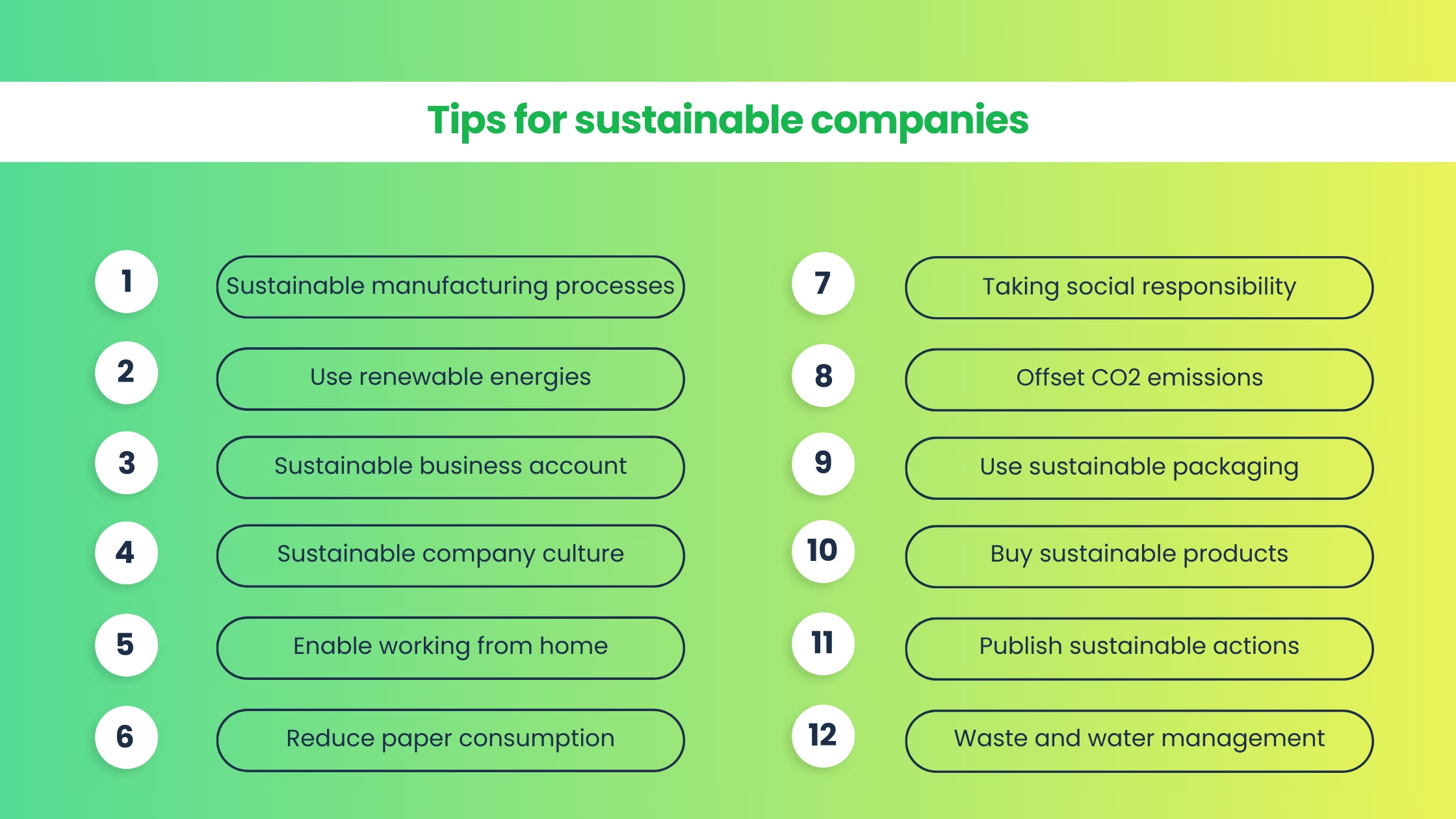
Below you will find 12 practical tips on how to make your company sustainable:
Companies can achieve a lot if they make their production and logistics more efficient. This means using less energy and resources and, where possible, relying on renewable energies and modern, economical technology. Resource-saving materials also help to reduce environmental impact without compromising on quality. Transparency in the supply chain is also important: digital tools and data analyses make it clear where raw materials come from and how partners work, which reduces risks and strengthens cooperation.
Switching to solar and wind energy or green electricity can significantly reduce CO₂ emissions and strengthen a sustainable company profile at the same time. Switching is often easier than expected, for example through green electricity tariffs or environmentally friendly heating systems. Energy can also be saved if companies consciously focus on efficiency: digital thermostats, clear energy-saving rules and motion detectors can help. This also works in everyday business life: less travel through video meetings and more cycling, public transport or electric cars further reduce energy consumption.
The use of sustainable business accounts at environmentally conscious banks, which combine economic efficiency with ecological responsibility, can also have a positive impact on corporate sustainability. When choosing a sustainable bank, financial solutions are selected that actively contribute to creating an environmentally friendly future. Many banks invest in environmentally harmful sectors or even in the arms industry. But there are alternatives: ethical banks such as GLS Bank, Triodos Bank, EthikBank and UmweltBank conduct their business in an ecological and fair way. The Fair Finance Guide provides a clear overview.
Real progress can only be made if the team is on board. It is therefore worth consciously integrating sustainability into the corporate culture, for example with an action day, voluntary commitment or small offers in everyday life. Companies can support employees by subsidizing job tickets, offering company bicycles or providing Fairtrade coffee and healthy snacks in the office. It is also important to communicate measures openly, actively collect ideas from the team and recognize environmentally conscious behaviour. In this way, sustainability becomes a habit step by step - and visibly becomes a real part of the company's attitude.
Working from home often saves energy and costs because fewer employees have to commute. With a hybrid model (e.g. fixed home office days), this can be easily implemented in everyday life and often also improves the work-life balance. At the same time, companies should use office space efficiently, for example with smart thermostats or flexible solutions such as co-working. A change of perspective is also worthwhile for meetings: video conferences are usually much more climate-friendly than business trips. The Federal Environment Agency calculates that a one-hour video conference on a laptop produces around 55 g of CO₂ equivalents, roughly the same as a one-kilometer train journey. So before every trip, check whether a digital meeting is enough. If travel is necessary, use the train or public transport if possible.
A paperless digital office without filing cabinets not only offers a high level of convenience, but also promotes sustainability. Care should be taken to ensure that documents are only printed out when really necessary. Modern and environmentally conscious equipment can help here. Older devices are often less energy efficient than newer models. In terms of social responsibility, it is equally important to pay attention to ergonomic furniture and retreats for employees.
Corporate Social Responsibility (CSR) means that companies voluntarily do something for society. This includes fair working conditions, including at suppliers and in international supply chains. Companies can also launch their own initiatives, such as making donations, supporting local projects or getting involved in associations. It is important to keep an eye on your own impact on society and to take action where you can really make a difference.
Not all emissions can be avoided immediately - for example from travel or certain production steps. Companies can offset these residual emissions through climate protection projects, usually by purchasing certificates. It is important to look out for reputable providers: The Federal Environment Agency specifies criteria for evaluation and recommends high-quality standards such as the "Gold Standard" to avoid greenwashing. According to a bitkom study, around 25% of companies are already measuring their footprint digitally and 42% are offsetting emissions.
Environmentally friendly packaging is an important lever for greater sustainability. When companies use recyclable or biodegradable materials, less waste is produced and this often strengthens the brand image. It makes sense to design packaging in such a way that it uses as little material as possible and has a smaller carbon footprint. Working with suppliers who offer sustainable materials also helps to gradually make the entire supply chain more environmentally friendly.
Sustainability should be taken into account when selecting suppliers and when making purchases and placing orders for the company. It is a good idea to source office materials from environmentally conscious suppliers and to pay attention to where the products come from and what transportation routes they have covered. Orders for print products should be placed with companies that work with recycled paper. In addition, the focus should be on durable and long-lasting materials instead of cheap options that result in the constant purchase of new products. Fair trade coffee for the coffee kitchen, environmentally friendly cleaning products, water filters and reduced paper consumption are further measures to promote sustainability. There are no limits to creativity when it comes to sustainable practices.
Sustainability as well as environmental and climate protection should be actively pursued in a company, not just for competitive reasons or to improve its image. However, this does not exclude the need to communicate this commitment. It is advisable to keep the topic of sustainability present on the website and to create a special area in which measures already implemented and future goals are presented. Openness about existing opportunities for improvement and planned measures promotes transparency and credibility. Concrete measures, ideally also taken together with the team, can be shared via social media channels to inspire others to join in. Information that is important to customers, such as the environmentally friendly shipping of products, can be listed in the FAQ.
Companies can make significant progress in the areas of waste management, sustainable supply chains and water consumption through targeted measures. On the one hand, waste management can be optimized by implementing recycling programs and waste reduction strategies. This includes training employees to separate waste and cooperating with partners who offer innovative recycling solutions. Last but not least, reducing water consumption is an important aspect of the sustainability strategy. Companies can significantly reduce their water consumption by using low-water technologies and by reusing and recycling water. In addition, awareness-raising programs for employees aimed at the responsible use of water can make a decisive contribution to conserving resources.
Sustainability reports help companies to show transparently how they assume responsibility for the environment and society. At the same time, they are useful internally because they make progress and outstanding challenges in the sustainability strategy visible. It is important that the report is clear and easy to understand, only then will it create trust among stakeholders such as customers, investors and the public.
Companies can also demonstrate their commitment with standards and certifications. One important example is ISO 14001: the standard describes how an environmental management system should be structured. It helps to define environmental goals, implement measures, check their effectiveness and continuously improve processes - also in order to better comply with legal requirements.
The ISO 26000 standard, on the other hand, provides guidelines on social responsibility. It helps organizations to anchor responsible practices, involve stakeholders and address key topics such as organizational management, human rights and the environment in a structured manner. Important: ISO 26000 is a guideline and is not intended for certification.
Reports and standards strengthen a company's credibility. They make progress measurable and show where there is still a need for action. In this way, they support transparent and long-term sustainability work.
For many companies, sustainability measures are associated with noticeable effort. They interfere with existing processes, require new structures and often have to be implemented in parallel with day-to-day business. This makes it all the more important to realistically assess the key hurdles.
Costs are a major factor in slowing things down: in order to really implement sustainability goals, companies often need to invest in infrastructure, processes or new technologies. This is particularly difficult for smaller companies because their financial scope is limited. In addition, sustainability initiatives cannot usually be "ticked off" quickly, as they require strategic planning and staying power.
In addition to the budget, organizational adjustments are also required: Processes need to be restructured, responsibilities clearly defined and employees specifically involved and trained. Without internal understanding, clear roles and communication, sustainability often remains an individual project rather than part of the corporate strategy.
Many sustainability approaches use new technologies to record, evaluate and properly document data, for example for ESG reporting and compliance. However, the introduction of such systems is often complex: It has to fit into the existing IT, requires suitable expertise and demands high standards of data protection and data security.
At the same time, the pressure is growing due to the increasing number and complexity of requirements (e.g. CSRD and CSDDD). Companies must constantly keep an eye on new obligations, adapt their processes and ensure that their reporting is transparent, comprehensible and auditable. Especially if they operate internationally.
In practice, conflicting goals often arise: environmental measures can lead to higher costs in the short term and challenge the focus on efficiency or returns. The long-term perspective is therefore crucial: sustainability can also bring economic benefits through resource efficiency, process optimization and risk minimization - and also strengthen the company's image and competitiveness.
Companies that actively address these conflicting objectives and implement sensible solutions early on become more resilient to market and regulatory pressure. At the same time, they strengthen the trust of customers, partners and investors.
Sustainability is important for companies in three areas: economic, social and ecological. It pays off economically because sustainable measures often improve processes and reduce costs. Those who save resources and produce less waste usually work more efficiently. At the same time, sustainability strengthens the brand image and can promote customer loyalty - which pays off in the long term. Sustainability has a social impact through fair working conditions and responsible action. This creates trust, improves the quality of life and often also increases motivation and satisfaction within the team. Ecologically, sustainable action helps to reduce emissions, protect resources and preserve biodiversity. This also reduces climate risks.
Sustainable action makes companies more adaptable - especially in rapidly changing markets. Those who integrate ESG into their strategy can manage risks better and recognize new opportunities earlier. At the same time, costs can be reduced through more efficient processes, which strengthens competitiveness.
Innovation also benefits: Companies develop new products, services and business models that meet rising customer expectations. A credible sustainability profile also ensures greater trust and transparency, makes the company more attractive as an employer and helps to implement new requirements and reporting obligations at an early stage.
Sustainability strategies can noticeably improve the quality of life, for example when companies reduce emissions and thus make the air and water cleaner. At the same time, sustainable business practices support the creation of new, future-proof jobs, for example in green technologies and innovative sectors.
Companies that act sustainably also strengthen social standards: through fair pay, secure jobs and compliance with international labor standards. This benefits not only the employees, but also the region and the community surrounding the company.
Sustainability means using resources sparingly and reducing environmental impact. For companies, this is also a practical tool for risk management.
Those who reduce emissions, manage supply chains responsibly and comply with regulations such as the EUDR protect ecosystems - and reduce risks from deforestation and climate change. This makes the business model more stable in the long term, reduces costs through more efficient processes and strengthens the company's position on the market. Sustainability thus becomes the basis for long-term corporate success and a future worth living.
Indicators and methods help companies to make their sustainability performance measurable in the areas of environment, social affairs and governance. To do this, they use key figures that show, for example, energy and water consumption, CO₂ emissions and social issues such as working conditions or diversity. This makes it possible to clearly show where the company stands and which goals have already been achieved.
At the same time, this data helps to meet requirements such as the CSRD and provide a solid basis for decisions. Both quantitative evaluations (figures, measured values) and qualitative analyses (e.g. assessments of processes and standards) are used for assessment, ideally in line with international requirements such as the CSDDD.
Various key figures show how well a company is currently positioned. At the same time, they help to fulfill legal requirements and to be transparent towards stakeholders.
The carbon footprint is a key metric for quantifying an organization's impact on the climate. Accurate collection and regular review of this data is essential in order to develop reduction strategies and meet regulatory requirements.
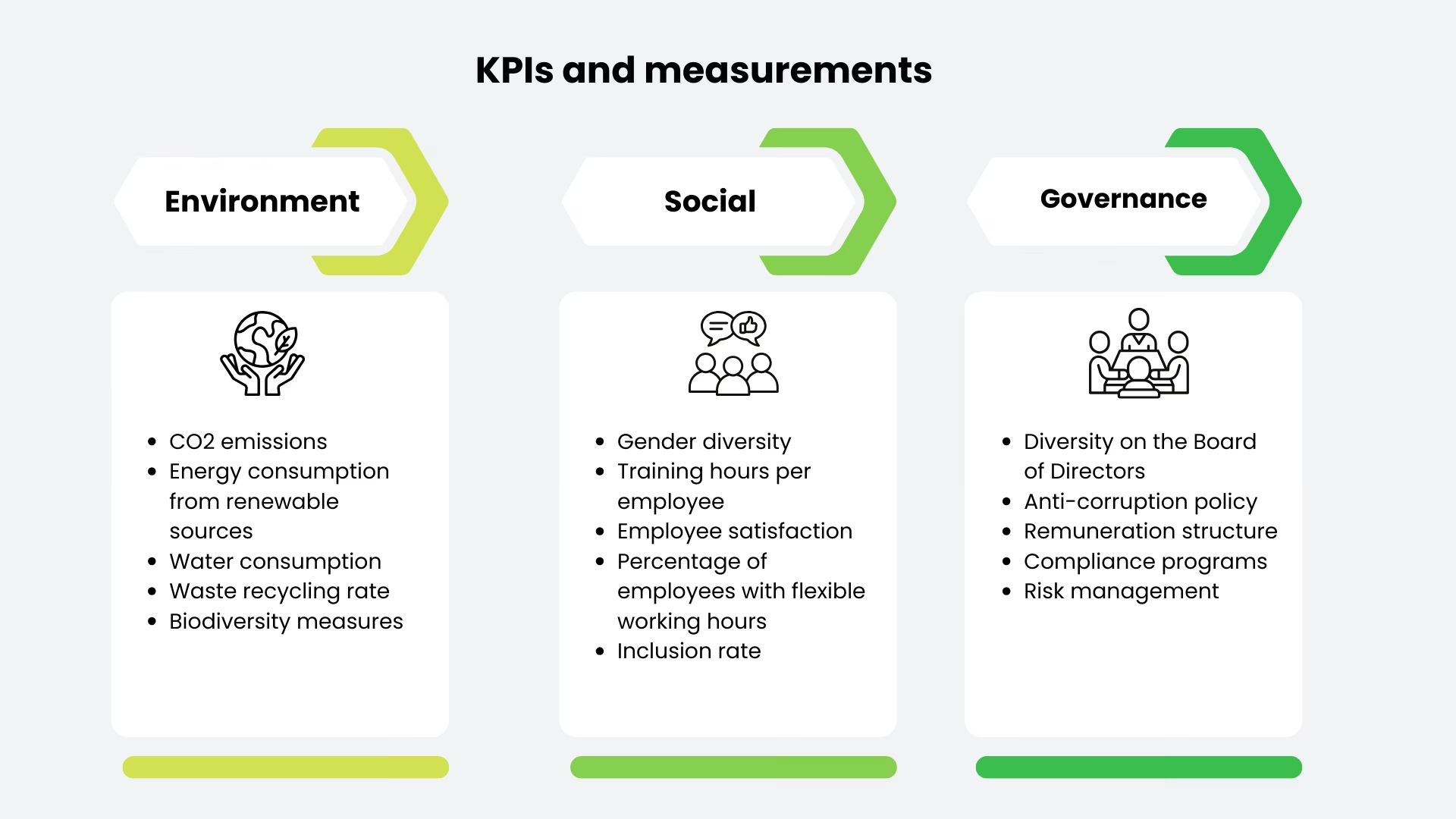
ESG indicators summarize important data on the environment, social issues and corporate governance. This makes it clear how sustainable a company is overall - from the use of resources to working conditions and responsible management. If these key figures are evaluated regularly, risks can be identified at an early stage and specific improvements can be initiated in a targeted manner.
Below we have compiled an overview of key figures in the area of environmental, social and governance (ESG) criteria:
Environment:
Social:
Corporate management:
These key figures are important in order to comply with legal requirements and make sustainability measurable. At the same time, they help to secure the company's future viability in the long term.
In the context of ESG compliance, performance measurement is becoming increasingly important in order to evaluate a company's sustainable practices. One of the key methods frequently used in this context is life cycle assessment (LCA). The LCA enables a comprehensive assessment of the environmental impact of a product over its entire life cycle - from raw material extraction to production, use and disposal. This method helps to identify and continuously improve potential for reducing environmental impacts.
In addition to the LCA, there are other methods for making sustainability measurable. These include life cycle assessment, in which environmental impacts are systematically recorded and evaluated. In addition, KPIs can be used - i.e. clear key figures that can be used to specifically measure and document progress towards individual sustainability goals. Together, these approaches complement the LCA and help to better manage and demonstrate sustainability performance.
Measurable: KPIs must be quantifiable to enable an objective assessment of performance.
Specific: They should be directly linked to a specific goal or target.
Action-oriented: KPIs should provide insights that can be used for informed decision making and performance improvement.
Relevant: KPIs should focus on what is really important for the success of the organization.
SMART: Good KPIs should be specific, measurable, achievable, relevant and time-bound.
Examples of KPIs: Financial KPIs: Net profit margin, gross profit margin, customer acquisition costs.
Marketing KPIs: Website traffic, conversion rate, customer lifetime value.
Sales KPIs: sales turnover, average order value, sales cycle duration.
Operational KPIs: stock turnover, production output, employee satisfaction.
HR KPIs: employee turnover, absenteeism, training hours.
Sustainability reports help to evaluate a company's performance in the areas of environmental, social and governance (ESG). They show in a structured way what progress has been made towards sustainability goals and whether legal requirements, for example from the CSRD, are being met.
Clear and transparent figures and measures make it easy for stakeholders - such as investors or supervisory authorities - to understand how consistently the company acts responsibly.
Such reports help companies to honestly review their performance, identify opportunities for improvement and make strategic decisions geared towards long-term and sustainable growth.
Sustainability reports are therefore not only important for external communication, but are also a helpful management tool within the company. They strengthen the trust of stakeholders and help to secure long-term competitive advantages.
New trends and solutions are constantly emerging in the field of sustainability that help companies to reduce their environmental impact and assume social responsibility. Digital technologies such as big data and artificial intelligence can help to better measure consumption, identify potential savings and manage supply chains more efficiently. Another important approach is the circular economy: products and materials are used for longer, repaired, reused or recycled - resulting in less waste and often long-term cost benefits. At the same time, the demand for transparency is growing: more and more companies are reporting on their sustainability performance in a structured manner, for example as part of the CSRD. To implement these requirements properly, many rely on modern Reg-Tech solutions that bundle data, simplify processes and make compliance more reliable.
These trends show: Sustainability does not stand still, but is constantly evolving. Companies that actively exploit these opportunities can improve their environmental and social footprint and at the same time position themselves as credible pioneers in an increasingly sustainability-oriented economy.
Digitalization and new technologies such as artificial intelligence (AI) and blockchain are becoming increasingly important for sustainability. They help companies to better solve environmental, social and governance (ESG) challenges, for example through greater efficiency, better data and more transparency.
Increasing efficiency through digitalization: Digitalization helps companies to work more efficiently. When processes are automated and data is better recorded, resources can be saved and energy consumption reduced. Digital platforms can also make supply chains more transparent - enabling risks such as human rights violations or environmental pollution to be identified earlier and reduced more easily.
Artificial intelligence: Artificial intelligence (AI) can help companies to act more sustainably. It analyzes large amounts of data and shows where resources can be saved and waste avoided. In the energy industry, for example, AI can better manage energy consumption and help to integrate renewable energies such as solar and wind more easily into existing systems.
Blockchain technology: Blockchain can make supply chains more transparent. It documents transactions and process steps in a tamper-proof manner, making it easier for companies to prove where raw materials come from and that they comply with regulations and sustainability standards. This strengthens the trust of customers and investors and supports responsible action.
Digitalization, AI and blockchain help companies to make sustainability measurable and implementable. They support data collection and evaluation, facilitate compliance with regulations such as the CSRD and strengthen responsible business practices in everyday life.
As global markets change, new business models are becoming increasingly important, especially the circular economy and the sharing economy. Both approaches support sustainable development and help companies to adapt their strategies to new expectations and requirements.
The circular economy follows the principle of the circular economy: products and materials should be used for as long as possible - for example through reuse, repair and recycling. This results in less waste and lower consumption of raw materials. At the same time, the company can save costs and develop new solutions. Companies that implement this model strengthen their ecological responsibility and can often meet ESG requirements more easily.
The sharing economy focuses on sharing resources instead of providing them to everyone individually. Products or services can be shared or rented via platforms, which increases capacity utilization and opens up new sources of income. At the same time, this approach helps to save raw materials and use limited resources more consciously.
Trends and innovations in sustainability are closely linked to energy supply. Progress in renewable energies, i.e. their generation, storage and distribution, is crucial. Because the demand for clean energy is increasing, solutions are needed that are efficient, affordable and scalable. In this way, the growing demand for energy can be met without further harming the environment.
New technologies are particularly important in sustainable energy supply: better solar systems, more efficient wind turbines and modern storage solutions such as more powerful batteries or hydrogen. They help to use less oil, gas and coal. This will speed up the transition to an economy with significantly less CO₂.
Another trend is digitalization in the energy sector. Smart grids distribute electricity more efficiently and better balance supply and demand. IoT technologies - i.e. networked sensors and devices - make energy consumption visible in real time. This enables companies and households to react more quickly, use energy in a more targeted manner and avoid consumption peaks. Overall, this ensures better use of resources and helps to reduce emissions.
The promotion of renewable energies such as solar, wind and biomass is an essential aspect of sustainable energy supply. These technologies not only help to reduce CO2 emissions, but also promote the transition to a low-carbon economy.
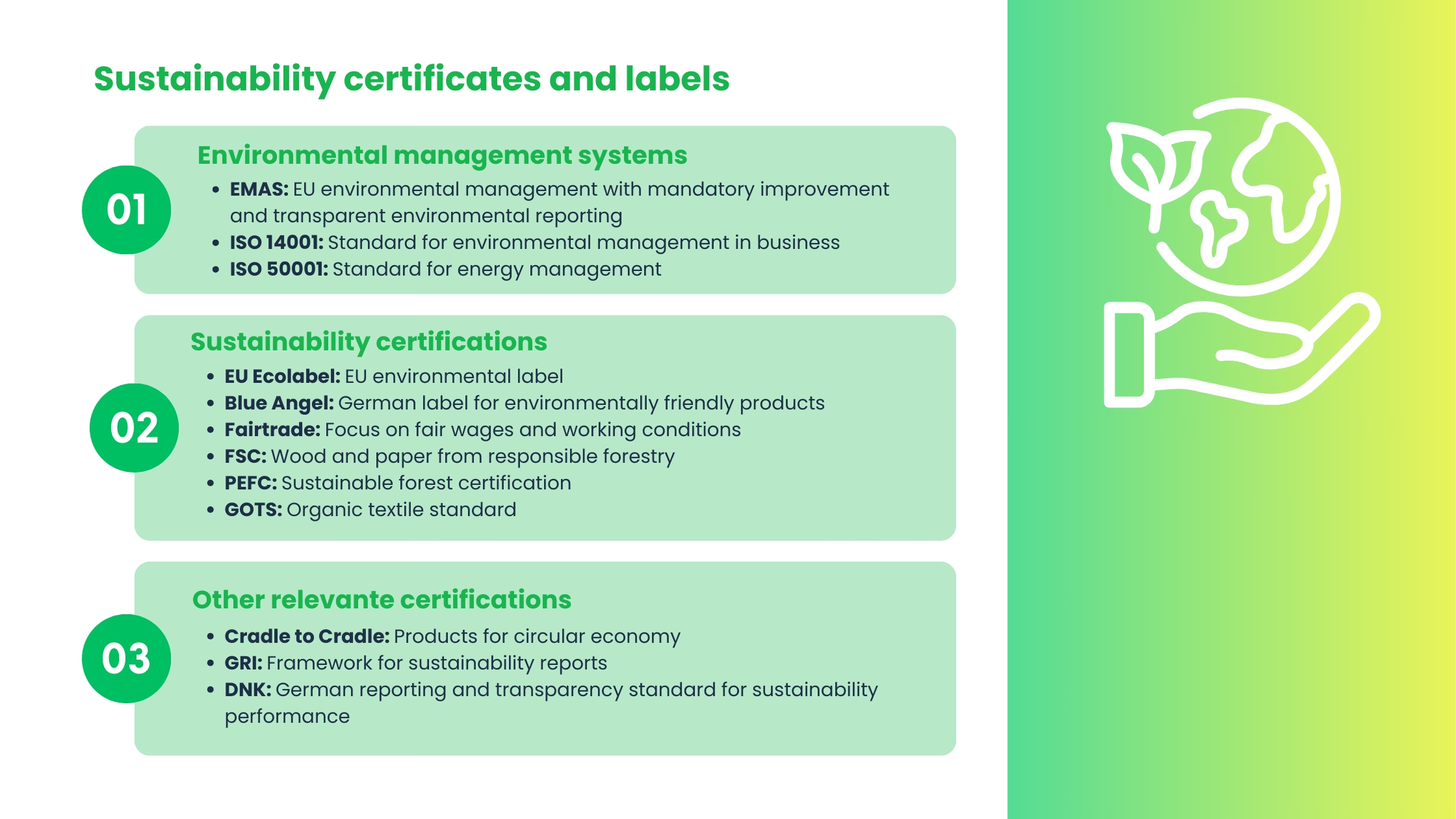
Certificates and labels show that certain environmental and social standards are being adhered to. At the same time, they serve as a reliable guide for consumers and business partners and create trust. First of all, it is important to note that sustainability certificates are not all the same. They differ depending on the sector and industry and each has its own requirements and testing rules. Which certificate is suitable depends on the goals a company is pursuing and what it needs the certificate for. Some certifications are very specific (e.g. for certain products or sectors), while others cover sustainability more broadly.
EMAS (Eco-Management and Audit Scheme): A European environmental management system that obliges companies to set up and continuously improve an environmental management system.
ISO 14001: An international standard for environmental management systems that helps companies to take environmental aspects into account in their operational processes.
ISO 50001: An international standard for energy management systems that helps companies to improve their energy efficiency and reduce their energy consumption.
EU Ecolabel: A European environmental label for products that meet certain environmental requirements.
Blue Angel: A German environmental label that certifies products with a low environmental impact.
Fairtrade: A seal for fair trade conditions and social responsibility in the production of certain products, especially foodstuffs.
FSC (Forest Stewardship Council): A certification system for sustainable forest management that ensures that products come from responsible sources.
PEFC (Program for the Endorsement of Forest Certification): Another certification system for sustainable forest management.
GOTS (Global Organic Textile Standard): This certificate sets standards for organically produced natural fibers and environmentally friendly manufacturing processes and guarantees social criteria along the entire supply chain.
Cradle to Cradle Certified: A certification system that evaluates products designed for the circular economy.
GRI (Global Reporting Initiative): A global reporting framework for sustainability reports that helps companies communicate their sustainability performance.
German Sustainability Code (DNK): A code for sustainable business by the German government that helps companies to continuously improve their sustainability performance.
These and many other certificates help to differentiate products more clearly on the market and often have a direct influence on what customers choose. Companies that carry such certificates demonstrate their commitment to ESG and can position themselves better in a demanding environment. If the standards achieved are also communicated transparently, this also strengthens trust in the brand.
ISO 14001 is an internationally recognized standard for environmental management systems that helps companies to improve their environmental performance and promote sustainable practices. ISO 14001 certification enables organizations to systematically identify, manage and reduce environmental impacts. This not only strengthens the corporate image, but also contributes to compliance with legal environmental requirements.
EMAS (Eco-Management and Audit Scheme) is a voluntary environmental management system of the EU. It helps companies to improve their environmental performance step by step and to report on this transparently. Those who participate in EMAS clearly demonstrate that environmental responsibility is taken seriously - and often gain additional trust from stakeholders as a result.
The Fair Trade certificate stands out due to its focus on social justice and fair trading conditions. It aims to support producers in developing countries and ensure that they receive fair wages and working conditions. A fair trade label signals to consumers that the company is committed to ethical and sustainable sourcing practices, which in turn can have a positive impact on brand perception.
Together, ISO 14001, EMAS and Fairtrade offer companies helpful guidelines for providing concrete evidence of environmental and social responsibility. They help to make processes more efficient, manage risks better and strengthen the basis for long-term success.
Environmental labels help companies to make their commitment to sustainability visible. Companies that use recognized standards in production and the supply chain strengthen their ESG compliance and can build trust with customers and investors. At the same time, such labels help to better demonstrate requirements from regulations such as the EUDR or the CSRD, as they demonstrably show which sustainable practices are being implemented.
Environmental labels are a simple guide for consumers when shopping. They show which environmental and social standards a product meets and make it easier to understand its impact. This helps them to make decisions more quickly that are in line with their own values, such as environmental friendliness and fair conditions. Overall, environmental labels promote greater transparency and responsibility along the entire supply chain.
When selecting suitable ESG certificates, companies often face a real challenge: there are many standards and not all of them are suitable for every company. The first step is therefore to find certificates that fit your own industry and internal goals as well as cover the legal requirements. Because each certificate has different focuses, areas of application and benefits, a careful examination and clear criteria for selection are required.
A well-founded selection of the right certificates goes beyond simply meeting compliance requirements; it is also an essential factor in building and consolidating trust among stakeholders. Customers, investors and partners are increasingly taking a critical look at the sustainability practices of companies. A transparent and credible certificate can therefore not only help to ensure compliance, but also forms a solid basis for long-term business relationships.
In order to find a suitable sustainability certificate as a company, you should proceed systematically and thoroughly. The process can be divided into several key steps:
With this clear approach, companies can find a certificate that fits their goals, fulfills the relevant requirements and really promotes sustainable action in everyday life.
Sustainability is not a short-term trend. It is becoming increasingly important for companies. Those who firmly integrate environmental, social and economic issues into their strategy and processes reduce risks and fulfill new obligations such as CSRD or CSDDD. At the same time, costs can be reduced, processes improved and new ideas generated.
It is important: Sustainability requires clear goals, measurable key figures and concrete steps. When employees and key partners are involved and measures such as renewable energies, circular economy or fair standards are implemented, a stable and credible approach is created. This helps the environment and society - and also strengthens the company in the long term.
The definition of sustainability means meeting today's needs without endangering the livelihoods of future generations. Ecological, social and economic aspects are considered together.
Because it helps to address key risks such as climate change, resource scarcity and social conflicts. At the same time, sustainable action strengthens efficiency, competitiveness and compliance with regulatory requirements.
Environmental protection focuses on specific measures to protect nature. Sustainability goes further: it combines the environment, social responsibility and economic stability into a holistic approach.
The model describes sustainability in three dimensions: Environment (ecological), economy (economic) and society (social). An action is sustainable if all three areas are considered together.
Typical levers are: Reducing energy consumption, using renewable energies, managing materials and waste in cycles, making supply chains more transparent and actively involving employees.
ESG makes sustainability controllable and measurable. Companies record and evaluate their performance and risks along environmental, social and governance lines, thus creating transparency both internally and externally.
They create traceability and trust among stakeholders. They also help to document progress, make targets measurable and implement requirements such as those within the CSRD in a structured manner.
These are often costs, internal capacities and the conversion of existing processes. In addition, there are technological requirements (data, systems) and a dynamic regulatory environment.
Through prioritization, clear KPIs and a long-term perspective. Many measures appear cost-intensive in the short term, but can significantly strengthen efficiency, resilience and reputation in the medium term.
The SDGs are 17 UN goals for sustainable development by 2030. They serve as a framework for companies to strategically classify sustainability and set their own priorities in a meaningful way.

 DE
DE