ESG & Sustainability - Reading time: 15 Min
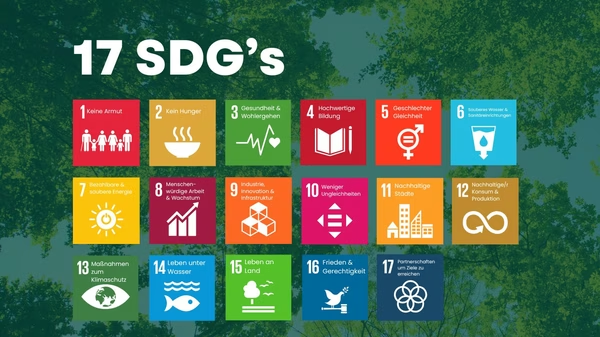
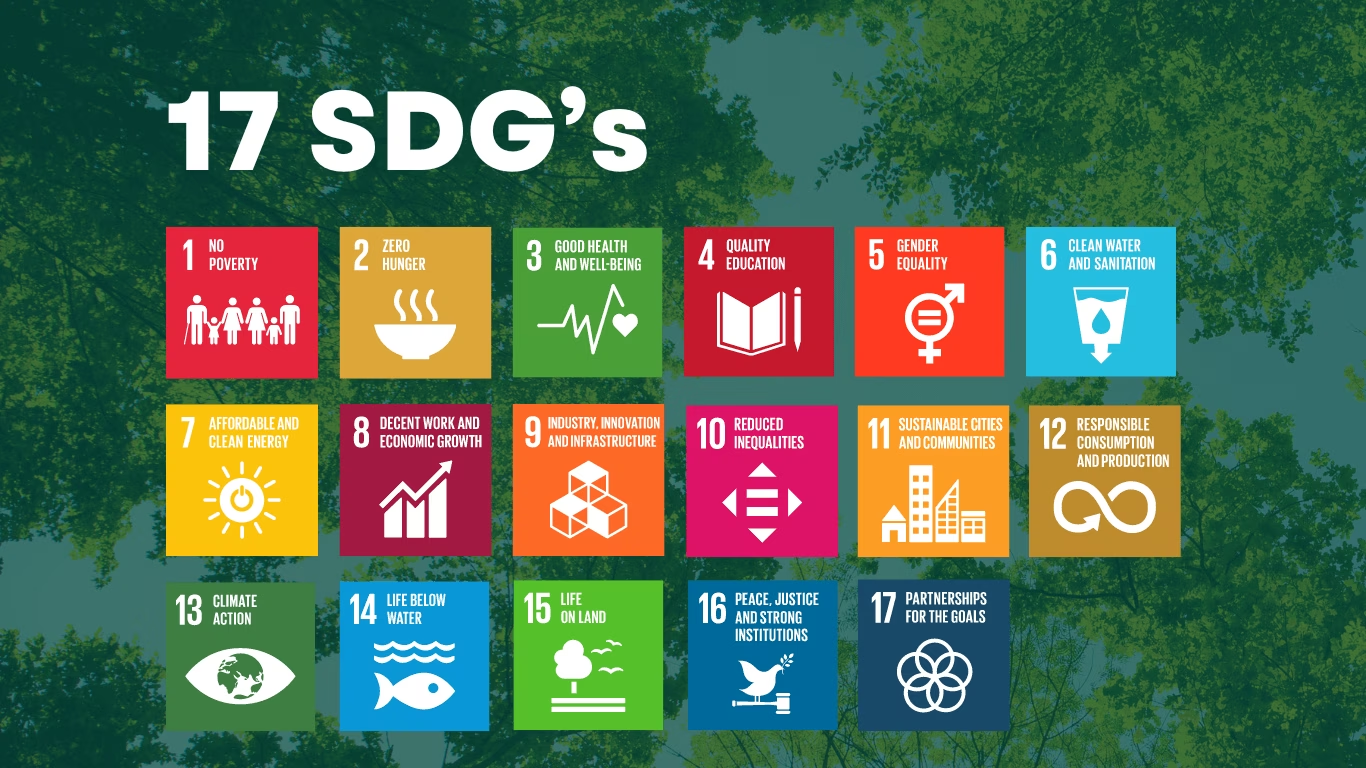
The United Nations' Sustainable Development Goals (SDGs) represent an ambitious plan for a sustainable future. With a total of 17 goals, they cover a wide range of topics, from combating poverty and protecting the environment to promoting education. These goals not only provide us with a clear vision for a better future, but also show that together, as a global community, we can make a difference. By taking a closer look at each of the SDGs, we can better understand why they are crucial to the prosperity of us all. In our blog article, we will take a closer look at each of the 17 SDG goals and explain their impact and importance for sustainable development.
The SDG Sustainable Development Goals are 17 global sustainability goals of the United Nations. They are intended to promote sustainable development in environmental, social and economic terms by 2030.
Among other things, they are intended to end poverty, protect the planet and ensure prosperity for all without endangering future generations. Sustainability is understood holistically.
The SDGs are aimed at states, companies, organizations and individuals. Companies in particular are called upon to align their business strategies with them.
The SDGs were adopted in 2015 as part of the UN 2030 Agenda and build on the Millennium Development Goals. They aim to apply to all countries worldwide.
Companies can integrate the goals into their ESG programs through sustainable supply chains, social responsibility, conservation of resources, transparent reporting and targeted SDG mapping strategies.
More and more companies are linking their sustainability reports to specific SDGs. This enables them to make their impact visible and provide stakeholders with guidance.
Implementation is monitored using UN indicators and national reports. Companies also use ESG indicators and SDG mappings for internal evaluation.
About the German Sustainability Strategy with concrete goals, measures and regular progress reports from the Federal Statistical Office.
The Sustainable Development Goals (SDGs) are 17 goals that were set by the member states of the United Nations in 2015. They aim to achieve sustainable development by 2030. These goals cover various aspects of sustainability and focus on social justice, environmental protection, economic prosperity, peace and global partnership.
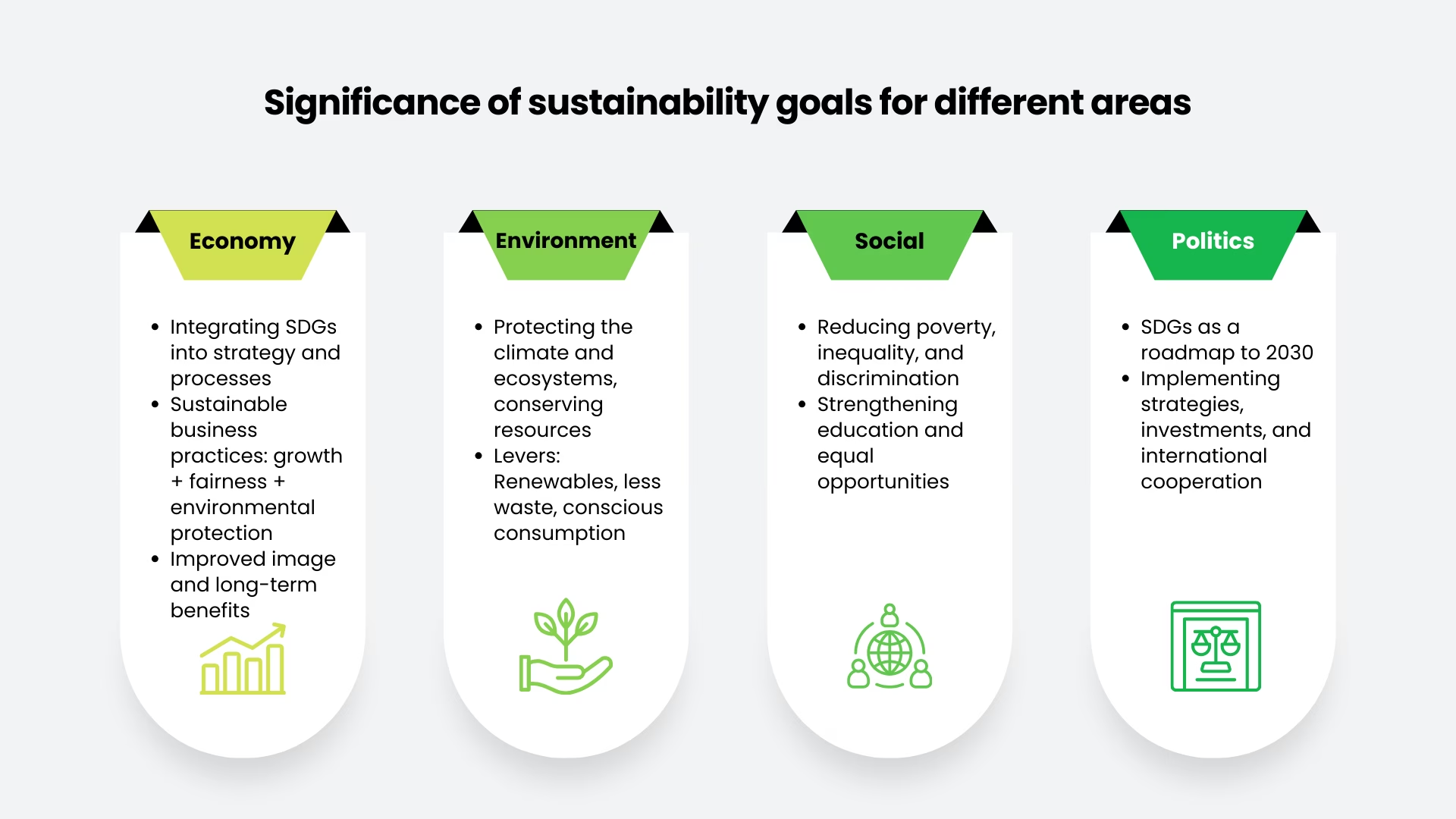
The 17 goals aim to reduce poverty, combat inequality and mitigate climate change. Companies play an important role in achieving these goals by integrating sustainable practices into their business operations. By acting responsibly, they can not only have a positive impact on the environment, but also strengthen their image and long-term business development.
The projects also emphasize the protection of the environment and the sustainable use of natural resources. Individual behavior such as the use of renewable energies or rethinking consumer behavior can contribute to achieving these goals. In addition, the SDGs strive for social justice and are committed to a world without poverty, inequality and discrimination. Governments have a responsibility to develop national strategies to implement the goals and build international partnerships.
Implementation is reviewed through regular monitoring. Each country has the task of measuring its own progress in implementing the goals and taking appropriate measures. In Germany, monitoring is carried out by the German Sustainable Development Strategy, which sets long-term goals and defines specific measures for implementing the SDGs. The targets present companies with challenges, but also offer them opportunities to position themselves as pioneers of sustainable development and achieve a positive impact on society and the environment.
Cooperation between governments, businesses and civil society is crucial to the success of these goals. The importance extends to various areas such as the economy, the environment, social affairs and politics. By participating in the implementation, companies can not only fulfill their social responsibility, but also promote their long-term business success.
In September 2015, the member states of the United Nations set 17 goals to promote sustainable structures worldwide in the areas of the economy, environmental protection and social justice. These goals, which are anchored in the 2030 Agenda for Sustainable Development, are also known as the UN Sustainable Development Goals (SDGs).
They apply to all countries - regardless of whether they are developing, emerging or industrialized nations - and are to be achieved by 2030. The 17 main goals comprise 169 sub-goals, which are interlinked and interdependent. The focus is particularly on supporting disadvantaged and discriminated population groups in order to create a fairer, healthier, more peaceful and more social world.
The Sustainable Development Goals take into account all aspects of sustainability: social, economic and environmental. These goals are preceded by five core messages as guiding principles:
In English this means: People, Planet, Prosperity, Peace and Partnership - 5 P's.
The aim of the SDGs is to ensure that all people can live in a just and sustainable society, have access to quality education and the opportunity to work with dignity.
The goals are intended to reduce poverty, reduce inequalities and slow down climate change. Economic growth should be environmentally friendly: resources should be used sparingly, sustainable agriculture strengthened and sustainable consumption promoted. The overarching goal is a world without poverty and hunger, in which all people can live a safe, fair and healthy life.
The governments of the UN member states are primarily responsible for achieving the goals. However, it is also important that civil society plays its part. Governments, businesses and individuals must actively engage in the implementation of the SDGs. Only if we all work together can we achieve positive change worldwide.
To ensure that the 17 Sustainable Development Goals not only remain a global vision, but are also implemented and managed in companies, a framework is needed that makes responsibility measurable. This is precisely where ESG (Environmental, Social, Governance) comes in: ESG translates issues such as climate, social standards, human rights and good corporate governance into clear goals, key figures and processes - and makes progress comprehensible for investors, customers and stakeholders. Find out more about ESG here.
This goal aims to significantly reduce poverty (extreme poverty). According to the 2030 Agenda, poverty means that basic needs cannot be met and access to the material and non-material basics that make up a decent life is severely limited. SDG 1 is therefore important for all sustainability goals and for the implementation of the German Sustainable Development Strategy. The goals include supporting particularly poor and vulnerable people in adapting to climate change and ensuring equal access to economic and natural resources for all.
Objective 1 is intended to achieve the following:
It is estimated that just over 2 billion people worldwide currently suffer from malnutrition. Of these, around 828 million are affected by hunger and chronic malnutrition. The goal is to end hunger and provide all people with year-round access to nutritious and safe food. It also aims to ensure that producers can use productive resources. Due to population growth, productivity and yields are to be increased through more resilient agricultural methods.
Objective 2 is intended to achieve the following:
In many countries, adequate healthcare is still not a matter of course. Around 14,000 young children still die every day, many of them from diseases such as infections that could now be cured cost-effectively or even completely avoided through prevention.
New pandemics such as Ebola or corona and diseases of civilization such as cancer, cardiovascular diseases, diabetes and dementia pose a threat to our lives. Of particular concern is the fact that around 39% of the world's population has no health insurance. In developing countries, the figure is even higher than 90 percent.
Goal 3 focuses on the health of the world's population. An important sub-goal is to significantly reduce deaths and diseases caused by hazardous chemicals as well as air, water and soil pollution.
Objective 3 is intended to achieve the following:
A high-quality education is crucial for individual opportunities. It promotes the willingness to change and serves as a basis for innovation as well as a prerequisite for the sustainable development of our planet. Education is seen as a human right because it enables people to improve their political, social, cultural and economic situation.
Every child has the right to an education. Everyone should have the opportunity to fulfill their basic learning needs throughout their lives. The 4th goal therefore calls for equal access to affordable and quality education for all.
Objective 4 is intended to achieve the following:
Gender equality is a fundamental human right that should apply worldwide. Unfortunately, women and girls still experience injustice in many parts of the world. Especially when it comes to access to education, healthcare, career opportunities and everyday life. The goal of gender equality is to end all forms of discrimination and violence against women and girls.
Access to economic and natural resources should be guaranteed regardless of gender. It also calls for the equal participation of women in leadership positions at all levels of decision-making in all areas of society.
Objective 5 is intended to achieve the following:
Water is essential for all life on earth. It is needed in households, agriculture and industry. Unfortunately, around two billion people do not have safe access to clean drinking water. Half of the world's population has to make do without adequate sanitary facilities.
The sixth goal of the 2030 Agenda for Sustainable Development is the first international goal that takes into account both access to drinking water and sanitation as well as water protection. It focuses on the long-term availability of water, the efficient use of water and the promotion of sustainable water management. SDG 6 thus combines development policy aspects with environmentally relevant challenges.
Objective 6 is intended to achieve the following:
Energy is of crucial importance for progress in the economy and society. Clean energy sources play an important role in protecting the environment and the climate. Nevertheless, the majority of energy produced worldwide is still generated from fossil fuels. The goal is to be achieved by 2030 so that everyone has access to affordable, reliable and, above all, sustainable energy.
The share of renewable energies is to increase worldwide. In addition, energy efficiency is to improve twice as fast as before. Countries in the Global South are to be supported in expanding their energy supply and developing new energy technologies.
Objective 7 is intended to achieve the following:
SDG 8 deals with the economic side of sustainable development and aims to create a sustainable economy that ensures social prosperity and in which all people can participate. Through technological innovations, global resource efficiency in consumption and production is to be improved by 2030. This will make it possible to decouple economic growth from environmental pollution.
In the next decade, the rich countries of the global North should make a strong effort to deal more responsibly with their consumption and products. This also means that they should take care of more sustainable tourism. Such tourism should not only help to strengthen local economies and jobs, but also support cultural diversity.
Objective 8 is intended to achieve the following:
This sustainability goal is committed to creating sustainable and resilient infrastructures. It is also aimed at industries that introduce environmentally friendly processes, use resources efficiently, use clean technologies or even develop them themselves. SDG 9 therefore calls for an increase in scientific research and the promotion of innovation (economic growth).
Objective 9 is intended to achieve the following:
The aim of SDG 10 is to promote equality in prosperity and the distribution of income. Everyone should have equal opportunities regardless of age, gender, disability, ethnicity, origin or religion.
Objective 10 is intended to achieve the following:
The aim is to ensure that cities are made more environmentally friendly. This means that the way in which cities are developed and transport is organized should be more sustainable. The environmental impact in cities should be reduced.
In addition, everyone should have access to green spaces, public spaces and environmentally friendly transportation. It is therefore important that more cities introduce programs aimed at using resources more efficiently, tackling climate change and preparing for emergencies.
It is also important that cities and rural areas are better connected. Thoughtful development planning can ensure that urban and rural areas benefit from each other economically, socially and environmentally.
Objective 11 is intended to achieve the following:
The objective of SDG 12 is to change the way we live and do business. It is important that consumption and production are in harmony with the ecological limits of our planet. To achieve this, consumption and production activities must consume significantly fewer resources and emit fewer greenhouse gases.
SDG 12 concerns both our individual consumption and the transformation of the foundations of our production. The circular economy, sustainable supply chains and the reduction and environmentally friendly disposal of waste play an important role here. In addition, food waste is to be halved by 2030.
Objective 12 is intended to achieve the following:
Goal 13 includes both climate protection measures and concrete steps to adapt to the effects of climate change. This includes not only the reduction of greenhouse gas emissions, but also education, awareness-raising and capacity building for adaptation to climate change. To this end, measures to protect the climate should be included in all national political strategies and plans. The German government is also calling for international funding for climate protection to be doubled - especially for the benefit of countries in the Global South.
Objective 13 is intended to achieve the following:
The world's oceans cover over 70 percent of the earth and are crucial for the ecological balance. They serve as an important source of energy and food for many people and play a central role in food security. The oceans regulate the climate, produce oxygen and store CO₂. With their biodiversity, they contribute to the preservation of life on earth.
Although many people cover their protein requirements with fish, a third of fish stocks are still overfished. Coastal populations in particular suffer as a result. It is important to promote sustainable fishing practices in order to protect marine resources in the long term.
This goal calls for a significant reduction in pollution of the oceans and seas, particularly from nutrients and waste. This includes measures such as reducing acidification, sustainable use of coastal ecosystems and fish stocks and the creation of marine protected areas. It is also important to learn more about the oceans and to recognize the Convention on the Law of the Sea as the legal basis for the protection and sustainable use of the oceans.
Objective 14 is intended to achieve the following:
The aim of SDG 15 is to comprehensively protect, restore and sustainably use ecosystems at national and international level. This includes land and inland waters, forests and soil. It also aims to halt the loss of biodiversity and protect endangered species.
Objective 15 is intended to achieve the following:
Sustainable development is closely linked to peace and justice. Peace is one of the most important pillars of the 2030 Agenda for global sustainability. The goal is to promote societies that are peaceful, based on the rule of law and inclusive. This also includes the creation of strong, transparent institutions and political decision-making processes.
It is important that these facilities are needs-oriented, inclusive and representative. Public access to information must also be guaranteed.
Objective 16 is intended to achieve the following:
SDG 17 focuses on cooperation between countries. In particular, the countries of the global North should help the countries of the global South to build their capacities for sustainable development. They should do this by providing additional financial resources and introducing investment promotion systems. This directly addresses one of the five main messages from the preamble of the 2030 Agenda: Partnership.
The "leave no one behind" (LNOB) principle emphasizes the shared responsibility to include all people on the path to sustainable development. It serves as a guiding principle for tackling global challenges in accordance with the 2030 Agenda and as a guideline for international partnerships.
LNOB (Leave No One Behind) means that no one is forgotten, especially the poor and most disadvantaged. It is about ensuring that everyone has equal opportunities to participate socially, economically and politically. A society in which everyone is welcome and a fair order worldwide are important for long-term peace and sustainable development.
Objective 17 is intended to achieve the following:
Implementing the Sustainable Development Goals is important in order to promote sustainable economic development that benefits all people. Companies play a central role in this. They are called upon to integrate sustainable practices and behavior into their business processes in order to actively contribute to achieving the goals. The sustainable development of the economy does not only mean economic growth, but also focuses on justice and environmental protection.
By acting responsibly and aligning their business practices with these goals, companies can make a positive contribution to the environment. This creates long-term added value for society and strengthens the company's image at the same time.
It is important that companies rethink their actions and take targeted measures to promote sustainable development. This also requires a rethink in terms of resource consumption, working conditions and dealing with social challenges such as poverty or inequality. When companies integrate the SDGs into their business strategies, they not only contribute to solving global problems, they are also seen as pioneers of a new way of doing business.
An important part of the SDGs is to protect the environment and use natural resources sustainably. Measures such as protecting the climate and ecosystems can reduce environmental damage and pollution and preserve the balance in nature. By using renewable energy, producing less waste and rethinking our consumption habits, we can all help to achieve this goal. Each and every one of us can help to protect the environment and leave nature intact for future generations through our behavior.
The SDGs are also committed to social justice and strive for a world without poverty, inequality and discrimination. The aim is to improve the well-being of all people and promote equal opportunities. It is important that society works collectively to achieve these goals.
To ensure that everyone can give their best, we must act in solidarity and work for a fairer world. This means fighting poverty, making education accessible to all and combating all forms of discrimination. In this way, a better future can be created for future generations and social cohesion can be strengthened.
The SDGs serve as guidelines for political decision-makers worldwide. Governments have a responsibility to develop concrete national strategies to ensure that the goals are achieved by 2030. This requires a coordinated approach at national level and strong international partnerships.
It is important that governments take various measures to achieve the SDGs more quickly. Special programs and investments can bring about positive changes. Global partnerships are particularly important here. This is the only way to jointly support countries with fewer resources or weak infrastructure.
The Sustainable Development Goals present companies with both challenges and opportunities. The 17 Sustainable Development Goals form a complex agenda that requires a fundamental transformation of business models. The challenge lies in integrating the SDGs into the corporate strategy, setting clear and measurable targets and pursuing a holistic approach to sustainable development.
However, they also offer a significant opportunity for companies. By actively working towards a more sustainable world, they can help to tackle social and environmental problems. At the same time, they can strengthen their image and their own business through their commitment. By integrating them into their business strategy, companies can gain a competitive advantage, promote innovation and have a positive impact on the environment and society at the same time.
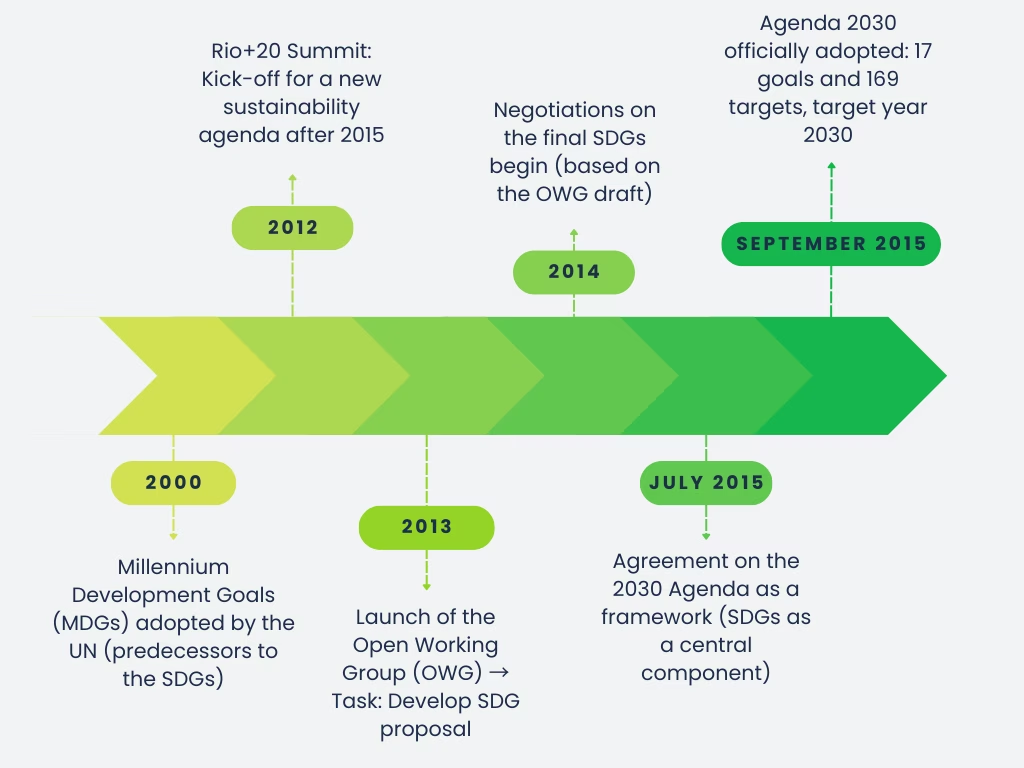
The UN member states agreed on the 2030 Agenda for Sustainable Development in July 2015. The Sustainable Development Goals are part of this draft and are considered a continuation of the Millennium Development Goals (MDGs), which were adopted by the United Nations in 2000 and have not yet been achieved. The MDGs focused mainly on combating poverty and improving living conditions in developing countries by 2015.
The emergence of the SDG goals began with the Rio+20 summit in Rio de Janeiro, Brazil, in 2012. At this summit, the member states of the United Nations decided to initiate a process to develop a new agenda for sustainable development that would extend beyond 2015. This agenda should build on the successes of the Millennium Development Goals (MDGs) and at the same time enable a more comprehensive approach to the global development goals.
An important milestone was the establishment of an Open Working Group (OWG) by the UN General Assembly in 2013. This working group consisted of 30 member states and was tasked with developing a proposal for the SDGs. Over a period of one and a half years, the OWG worked on a draft that was incorporated into its recommendations and proposals.
Discussions on the final SDGs began in 2014 and continued until the 2030 Agenda was adopted in September 2015. The agenda comprises a total of 17 goals and 169 specific targets. These goals address a variety of issues such as poverty, hunger, health, education, gender equality, clean water, affordable and clean energy, sustainable cities and communities, climate action and more.
The SDGs are a common agenda for all countries, regardless of their level of development. They are to be achieved by 2030. This requires close cooperation between governments, civil society, companies and other stakeholders at national, regional and global level.
In addition to defining the Sustainable Development Goals SDGs, the 2023 Agenda also stipulates that all countries should regularly review the progress of implementation. Monitoring is the central instrument for tracking sustainability policy and tracking the progress of the SDGs. In order to measure the goals, the international community has agreed on 169 sub-goals. At the same time, 231 international SDG indicators were defined, which are constantly being further developed by the Inter-agency and Expert Group on SDG indicators at UN level.
For example, the entire set of indicators is completely revised every five years. Each country is responsible for setting up its own SDG monitoring and can therefore decide for itself which of the 231 indicators are used for monitoring. Each country must also collect the data independently, which is why there are many different approaches to monitoring.
Every year, the United Nations (UN) invites leaders from around the world to a meeting in New York known as the High Level Political Forum on Sustainable Development (HLPF). This is where they discuss how far the individual countries have come with the sustainable development goals and what still needs to be done.
The Department of Economic and Social Affairs (DESA) is a department of the United Nations. It helps to promote social and economic development worldwide. To this end, DESA gathers knowledge, draws up recommendations for governments and supports cooperation between UN member states. Topics include poverty reduction, sustainable development, population development, social participation and environmental policy.
The Global Sustainable Development Report (GSDR) 2023 is a United Nations report. It shows how far the world has come in terms of sustainable development - and where there are still major problems. The report is intended to inform decision-makers and the public and provide guidance on how the SDGs can be achieved.
In 2016, the UN member states decided to prepare a report on the status of the SDGs every four years. It is intended to inform the SDG Summit at the UN General Assembly. The report is written by an independent group of 15 experts appointed by the UN Secretary-General, covering different disciplines and a balanced regional and gender representation. The first report was published in 2019, the second in 2023.
At the halfway point to 2030, the SDGs are well behind schedule. Of the 36 targets examined in the report, only two are on track and the trend has even worsened for eight. Even before the pandemic, progress was too slow in areas such as climate protection, biodiversity and inequality - there have now been additional setbacks, for example in the fight against poverty, gender equality, education and hunger. Without a rapid course correction, there is a risk of prolonged periods of crisis and insecurity that will further exacerbate poverty, hunger, disease, conflict and disasters.
The crises that have set back SDG progress are closely linked and mutually reinforcing. These include the COVID-19 pandemic, conflicts in many regions (including the war in Ukraine), the livelihood and debt crisis and climate-related disasters. Because environmental, economic and social systems are interlinked, such shocks affect many goals simultaneously and exacerbate the setbacks. However, it is precisely these interdependencies that can also offer opportunities - for example, for integrated strategies that tackle several problems at the same time and better reduce systemic risks.
Managers must not only manage acute crises, but also keep an eye on medium and long-term trends that have a major impact on the SDGs. These include climate change, the loss of nature and biodiversity, demographic changes, digitalization, growing inequality and violent conflicts. Tackling these issues consistently will protect short-term progress and strengthen resilience.
Awareness of the SDGs is growing and many stakeholders have committed to them. Nevertheless, these commitments have so far too rarely been reflected in concrete measures - often due to a lack of financial resources. Whether the goals are achieved depends on governments, companies and other stakeholders incorporating the SDGs into their key decisions, aligning funding more closely with the SDGs and creating clear rules for transparency and accountability.
The report shows what progress has been made on the SDGs - and where major gaps remain. It makes it clear that an integrated approach is necessary because the goals are strongly interrelated and influence each other. Companies should align their strategies in such a way that they not only have a short-term impact, but are also sustainable in the long term. To achieve this, they need to involve stakeholders such as communities and suppliers and focus more on innovation, technology and collaboration.
Every year, the SDG Progress Report shows how much progress the world has made on the Sustainable Development Goals since 2015. It is based on contributions from over 50 international and regional organizations. The data follows a global indicator framework developed by a UN expert group and adopted by the UN General Assembly on July 6, 2017.
The 2024 progress assessment shows that the world is significantly off track for the 2030 Agenda goals. According to the available data, only 17% of the 135 targets with trend analysis and additional insights from regulators show the expected progress to be achieved by 2030. Worryingly, almost half of the targets (48%) show moderate to significant deviations from the desired trajectory.
While 30% have only made marginal progress and 18% have made moderate progress, an alarming 18% have stagnated. Furthermore, 17% of targets have already fallen below the 2015 baseline. These developments underline the urgency of taking meaningful action to achieve the global sustainability goals.
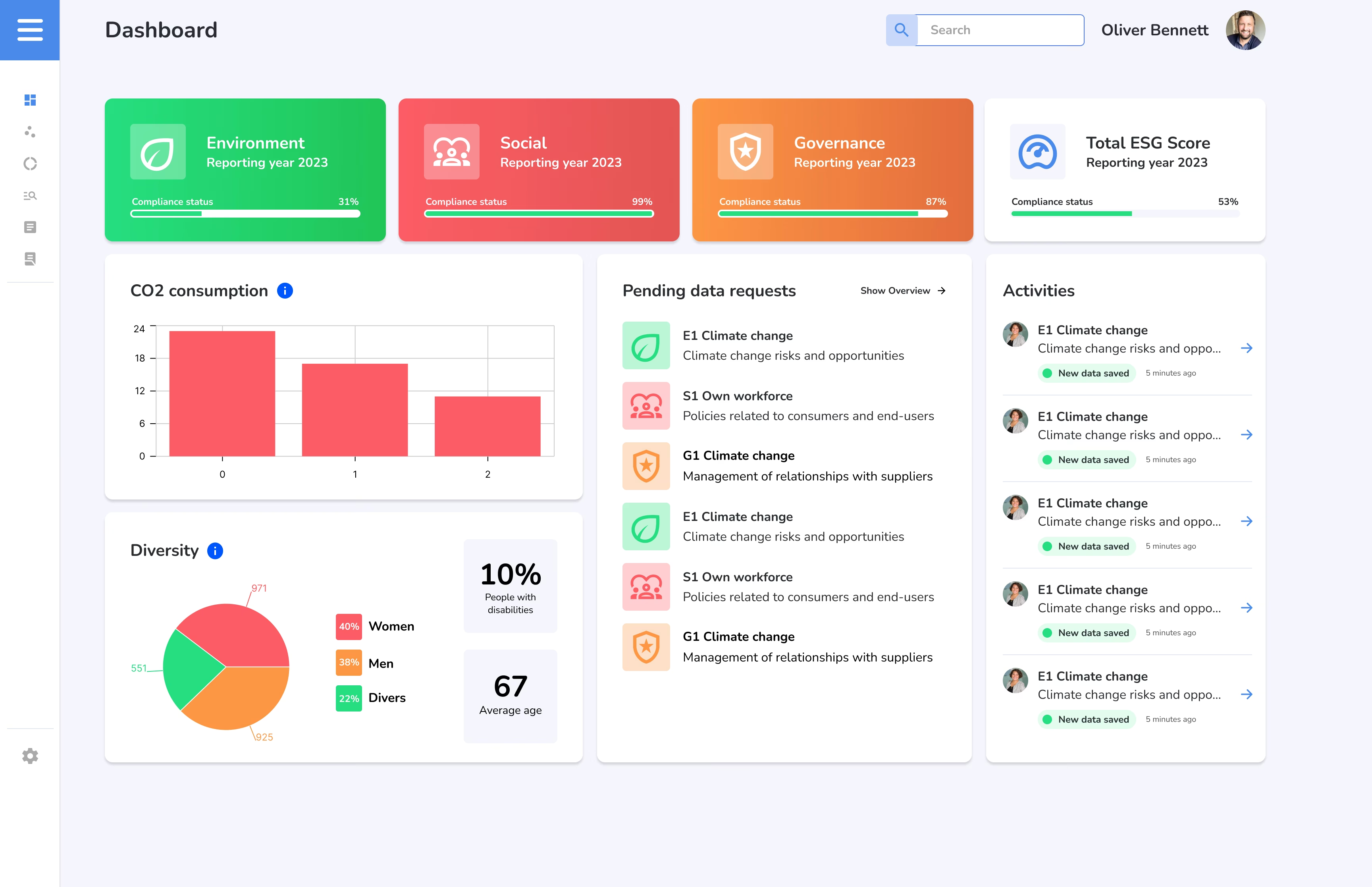
Our CSRD tool supports you in achieving sustainability goals in line with the SDGs. In addition to comprehensive insights into environmental impacts, you also benefit from user-friendly functions.
Global efforts to end extreme poverty were severely set back by the COVID-19 pandemic and other major crises between 2020 and 2022. In 2020, extreme poverty rose again for the first time in decades - setting progress back by around three years. The recovery has been very uneven: low-income countries in particular are making much slower progress. In view of the ongoing "polycrisis", it is increasingly considered unrealistic to eradicate extreme poverty by 2030 - especially in regions that lack the financial scope for countermeasures.
In 2022, almost one in ten people worldwide suffered from hunger. At the same time, 2.4 billion people were affected by moderate to severe food insecurity. In almost 60% of countries, food prices rose sharply - mainly due to conflicts and disrupted supply chains.
To achieve "zero hunger", food systems must become more sustainable, resilient and equitable. In addition, faster progress in nutrition, health and hygiene is needed to halve the number of chronically malnourished children by the SDG target.
The global health goals are only making slow progress. Since 2015, progress has stagnated in areas such as maternal mortality and access to healthcare. Vulnerable groups in particular suffer more from inequalities, which are being exacerbated by the climate crisis.
Achieving SDG 3 by 2030 will require significantly more investment and a stronger focus on inequalities and environmental factors. Rapid measures are also needed to better protect particularly vulnerable regions and population groups.
Global progress in education is not enough. In 2019, only 58% of children reached the minimum reading level at the end of elementary school. In many countries, learning performance is declining at secondary level and the completion rate in upper secondary education has stagnated since 2015. The challenges are particularly great in sub-Saharan Africa: there is a lack of teachers, classes are often too large and there is too little training and further education for teachers. In order to advance SDG 4, these problems must be urgently prioritized - because education influences the entire 2030 Agenda.
Progress in gender equality is too slow - in some areas it is even going backwards. Although child marriage and female genital mutilation are on the decline, this is not fast enough to keep pace with population growth. Equality in leadership and public life also remains a long way off: at the current rate, parity would only be achieved in around 176 years. Many women still do not have full control over their sexual and reproductive health, and violence against women remains a major problem. Therefore, urgent action is needed: harmful social norms must be challenged, discriminatory practices ended and laws reformed. At the same time, decisions must be made that facilitate women's access to leadership positions and consistently prioritize gender equality.
None of the targets for SDG 6 (water and sanitation) are on track. In 2022, 2.2 billion people did not have access to safe drinking water and 3.5 billion did not have adequate sanitation facilities. In addition, droughts and water scarcity exacerbate the situation: between 2002 and 2021, over 1.4 billion people were affected by drought. In 2022, almost half of the world's population experienced severe water scarcity and a quarter was exposed to extremely high water stress. Climate change exacerbates these problems and can jeopardize social stability. There is also often a lack of cooperation when it comes to transboundary waters: less than 20% of the countries affected have functioning agreements. Coordinated measures in integrated water management and better joint management of water resources are needed to get SDG 6 back on track.
In 2022, global access to electricity fell again for the first time - mainly due to the COVID-19 pandemic and the war in Ukraine. Although progress is being made in energy efficiency and renewable energies, too little money is still being invested in clean energy in developing countries.
If the pace does not increase, 660 million people will still be without electricity in 2030 and 1.8 billion will have no access to clean cooking. In order to achieve universal energy access by 2030, electrification programs must be implemented more quickly, investments in renewable energies must be significantly increased and energy efficiency and suitable political framework conditions must be further expanded.
Progress on SDG 8 (decent work and economic growth) is being held back by crises such as COVID-19, trade disputes and geopolitical tensions. Although labor markets are still relatively stable in many places, the recovery is very uneven. This increases the risks to social justice - for example through weaker protection of labor rights and new vulnerabilities.
The report expects a more difficult situation in 2024: higher unemployment and stagnating growth. This could increase income inequality and jeopardize fair wages for women and good jobs for young people. To advance SDG 8, we need policies that combine growth with social justice and inclusive employment.
The manufacturing sector has stagnated since 2022. This is due to geopolitical uncertainty, inflation, supply problems and higher energy costs. At the same time, the proportion of people employed in industry has fallen worldwide.
Although production is gradually becoming less CO₂-intensive, the pace is not sufficient to achieve the 2030 targets. A green and fair transition, clear priorities for strategic sectors and measures to combat inequalities - especially in digitalization and innovation - are needed to accelerate progress towards SDG 9.
In many countries, the incomes of the poorest 40% are rising faster than the average. Financial aid has supported this trend during the pandemic. At the same time, the gap between rich and poor countries has widened further in the last five years.
Discrimination affects around one in six people worldwide - for example due to age, gender, religion or origin. Displacement and migration are also on the rise: in 2023, there were 35.8 million refugees worldwide and over 8,000 migrants lost their lives. Reducing inequality within and between countries requires a fair distribution of resources, investment in education and skills and strong social security systems. Discrimination must also be eliminated, disadvantaged groups must be given targeted support and international cooperation for fair trade and fairer financial systems must be strengthened.
More than half of the world's population lives in cities - and many cities are facing major challenges. The COVID-19 pandemic has exacerbated poverty in urban areas and increased problems such as growing slums, poor public transport and uncontrolled urban growth.
By 2050, almost 70% of people are expected to live in cities. It is therefore important to strengthen infrastructure, create affordable housing and ensure good mobility and basic social services. This is the only way to make cities resilient and sustainable - for all residents.
Unsustainable consumption and production exacerbate the "triple crisis" of our planet: Climate change, loss of nature and pollution. Material consumption continues to rise, while at the same time around one billion meals of still edible food are thrown away every day. The mountain of electronic waste is also growing rapidly.
Despite many international commitments, public funding for fossil fuels has increased significantly since 2015. This is slowing down the path to net zero emissions. Yet every stage of production offers opportunities: saving resources, reducing emissions, promoting innovation and focusing more on the circular economy.
More and more communities around the world are affected by extreme weather events. These endanger lives and livelihoods.
Immediate action is needed to limit global warming to a maximum of 1.5 °C and prevent the worst consequences. This includes significantly reducing greenhouse gas emissions as early as this decade and setting clear targets for net zero by 2050. A sustainable future can only be secured with decisive, joint action.
Oceans cover over 70% of the Earth's surface and are vital for more than 3 billion people. They provide food and help to stabilize the climate.
But the oceans are under pressure: fish stocks are declining, pollution is increasing, the oceans are acidifying and habitats are being destroyed. This is endangering marine ecosystems and the existence of many coastal communities. To counteract this, swift action is needed - such as sustainable fishing, more marine protection, less pollution and greater international cooperation.
SDG 15 makes it clear how important biodiversity is for our lives. However, deforestation, species extinction and too little protection for important habitats are putting ecosystems under severe pressure.
In the face of climate change, loss of nature, pollution and land and soil degradation, we must significantly step up our efforts. This is the only way to achieve international environmental goals and commitments.
The path to global peace and security has become more difficult. There are now over 110 million refugees worldwide - fleeing persecution, conflict, violence and human rights violations. Between 2022 and 2023, the number of civilian casualties also rose more sharply than at any time since the 2030 Agenda was adopted.
These developments show that Human security is still under serious threat. To counteract this, trust must be rebuilt and international peace work must be strengthened so that the global calls for peace are better heard and implemented.
Global partnerships are crucial to achieving the SDGs - particularly in the areas of financing, technology, trade and data. At the same time, the trends show a mixed picture: there is progress, but also major gaps, for example in internet access and statistical systems.
Developing countries lack around 4 trillion US dollars a year to implement the SDGs. High levels of debt and limited online connectivity make the situation even more difficult. More international cooperation is therefore urgently needed, especially in times of geopolitical tensions.
The German Sustainability Strategy (DNS) is an important tool of the Federal Government for the implementation of sustainability in Germany. It was first adopted in 2002 and is regularly updated. The strategy sets long-term goals, defines concrete measures and uses indicators to assess progress in the environmental, economic and social areas. The German sustainability strategy is based on the principle of sustainable development. This means that the environment, economy and society are given equal consideration. Learn more about sustainability.
The German Sustainability Strategy aims to create a society and environment in which life is good and everyone is treated fairly. The most important task areas of the strategy include, for example, climate protection, the promotion of renewable energies, the responsible use of natural resources, the fight against poverty, the promotion of education and research as well as the support of social participation and social cohesion. The strategy was developed by various federal government ministries and is intended to guide political decisions. It also serves as a guide for companies, organizations and people.
In addition, the federal government has committed to acting in an environmentally conscious manner in the context of its sustainability program of measures. A monitoring report provides an account of the implementation of these measures.
To ensure that sustainable development becomes the basis for political action, the German government defined six sustainability principles in 2018. They show what constitutes sustainable policy and help to ensure that sustainability is taken into account in all important decisions.
The strategy now comprises 75 indicators and targets in 39 areas that reflect the current state of sustainable development and serve as a basis for future action. The revised 2017 DNS is based on the 17 SDGs and internationally recognized standards, taking into account topics that are particularly relevant for the implementation of the 2030 Agenda in Germany.
For each SDG, Germany has at least one political goal with corresponding indicators. These targets show the most important need for action without fully covering all the details of an SDG. To this end, the Federal Government uses "key indicators" that make the central topics and measures of an SDG visible and facilitate access to more comprehensive indicator systems. Every two years, the Federal Statistical Office publishes an indicator report on progress. The status is shown using weather symbols.
The further development of the German sustainability strategy was adopted on March 10, 2021. As part of this, the Federal Statistical Office analyzed how many of the government's targets for 2020 had been achieved - in four out of twelve areas. The progress report on achieving the UN Sustainable Development Goals (SDGs) showed that Germany is on track for 30 out of 79 key indicators, with positive but all too slow developments for a further 29 indicators. Nevertheless, there were also setbacks: There was no improvement in seven indicators, including the reduction of nitrogen surpluses in agriculture and CO2 emissions from private consumption.
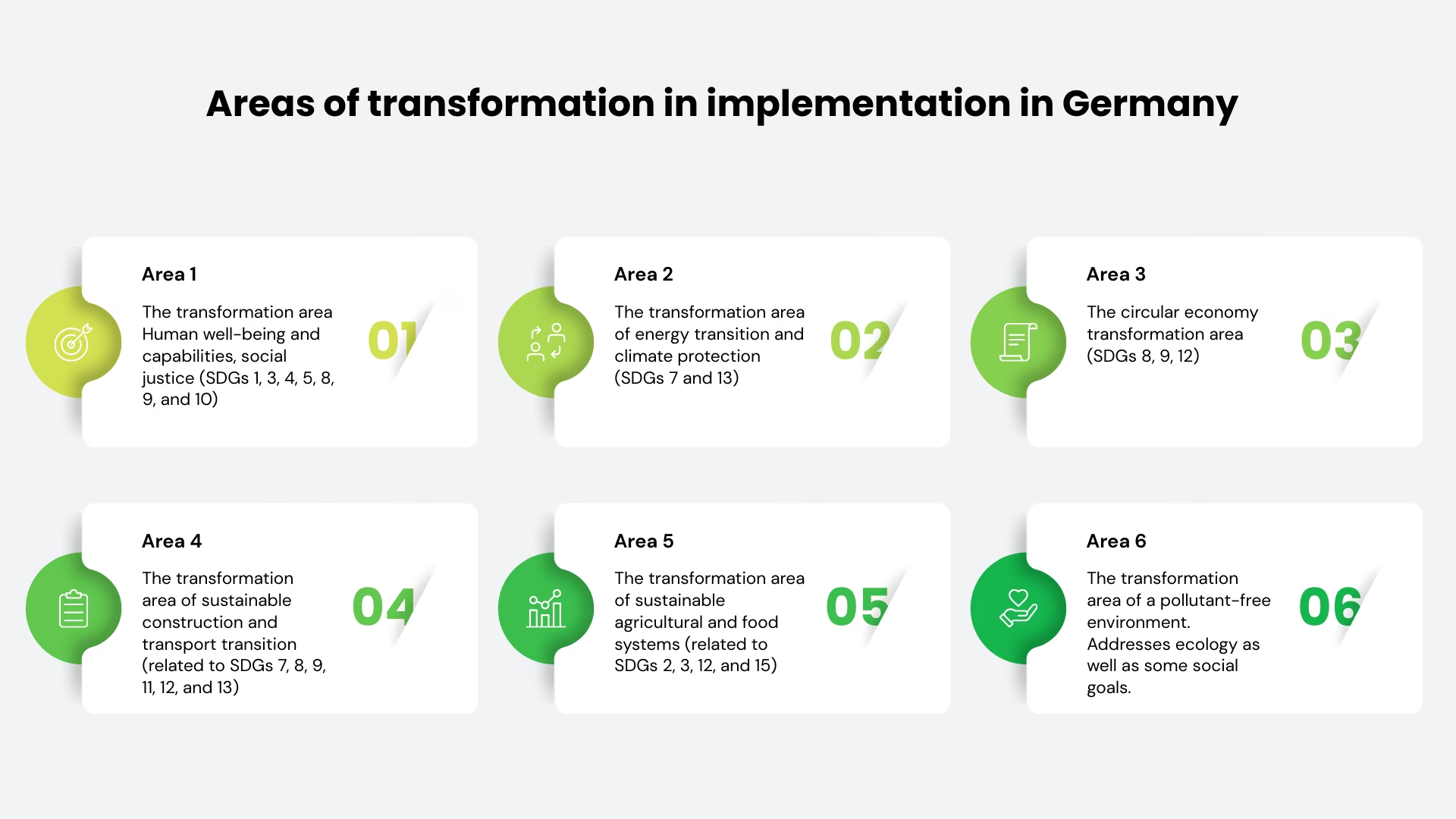
Greater consideration of transformation areas in the German Sustainable Development Strategy (DNS) was suggested. These areas address several goals of the 2030 Agenda and highlight their interactions. The Federal Government considers progress in these areas to be particularly relevant for the implementation of the 2030 Agenda.
The transformation areas include:
For the sustainability strategy to succeed, the state, business and society must work closely together. Companies should make their business models more sustainable and develop solutions that protect the environment and strengthen social responsibility. At the same time, consumers can help by giving preference to sustainable products and services, thereby increasing demand.
Conscious purchasing decisions can tangibly support the transition to a more sustainable economy. Schools and other educational institutions are also important because they impart knowledge and raise awareness of environmental and social issues. A joint approach is crucial: if all stakeholders take responsibility, environmental goals can be better achieved - and a fairer, more liveable world can be created in the long term.
In today's business world, integrating the UN Sustainable Development Goals (SDGs) is not just an option, but increasingly a necessity. Companies that actively address these goals not only benefit from a positive image, but also strengthen their competitiveness and ensure their long-term success. But how can companies successfully integrate the SDGs into their strategies and processes?
First of all, it is important that companies develop a clear understanding of the 17 SDGs. These goals cover areas such as poverty reduction, quality education, gender equality and climate action. Companies do not have to consider all goals, but should specifically identify those where they can have the greatest impact. The SDGs provide valuable guidance, but it is crucial to also consider the 169 sub-goals. Small and medium-sized enterprises (SMEs) in particular should focus on a small number of relevant goals in order to deploy their resources effectively. A thorough analysis of their own business practices in relation to the SDGs is essential.
Another crucial step is the involvement of all stakeholders. This ranges from employees and suppliers to customers and investors. By engaging and collaborating with these groups, companies can gain valuable insights and develop joint solutions to achieve the SDGs. Workshops or training courses can also help to raise employee awareness of sustainable practices and strengthen their commitment.
Concrete and measurable goals are crucial for implementation. Companies should be guided by the SMART criteria: specific, measurable, achievable, relevant and time-bound. This allows progress to be checked regularly and adjusted if necessary. At the same time, problems become visible at an early stage so that companies can take countermeasures in good time.
One important point is to avoid greenwashing. This happens when companies present a sustainable image without implementing any real measures. Credible commitment is demonstrated by the fact that positive effects are created and negative effects are significantly reduced or avoided altogether. Sustainability requires concrete steps and measurable contributions to the SDGs - this is the only way to make a real difference.
In addition, the use of modern technologies can help companies to collect and evaluate data more efficiently. With a comprehensive software solution, for example, companies can document and transparently present their progress in relation to the SDGs. Such tools not only support sustainability reporting, but also contribute to compliance with legal requirements.
Finally, companies should make sure to continuously communicate their successes based on best practices and niche innovation. This can be done through regular reports or publications, which should not only be shared internally, but also targeted at external partners and stakeholders. In this way, companies can act as pioneers in their sector and inspire others.
In summary, the successful integration process of the SDGs in companies requires a strategic approach based on systematic learning and collective commitment. With a clear plan and the will to change, companies can not only create sustainable value, but also make a significant contribution to the global development of the SDGs.
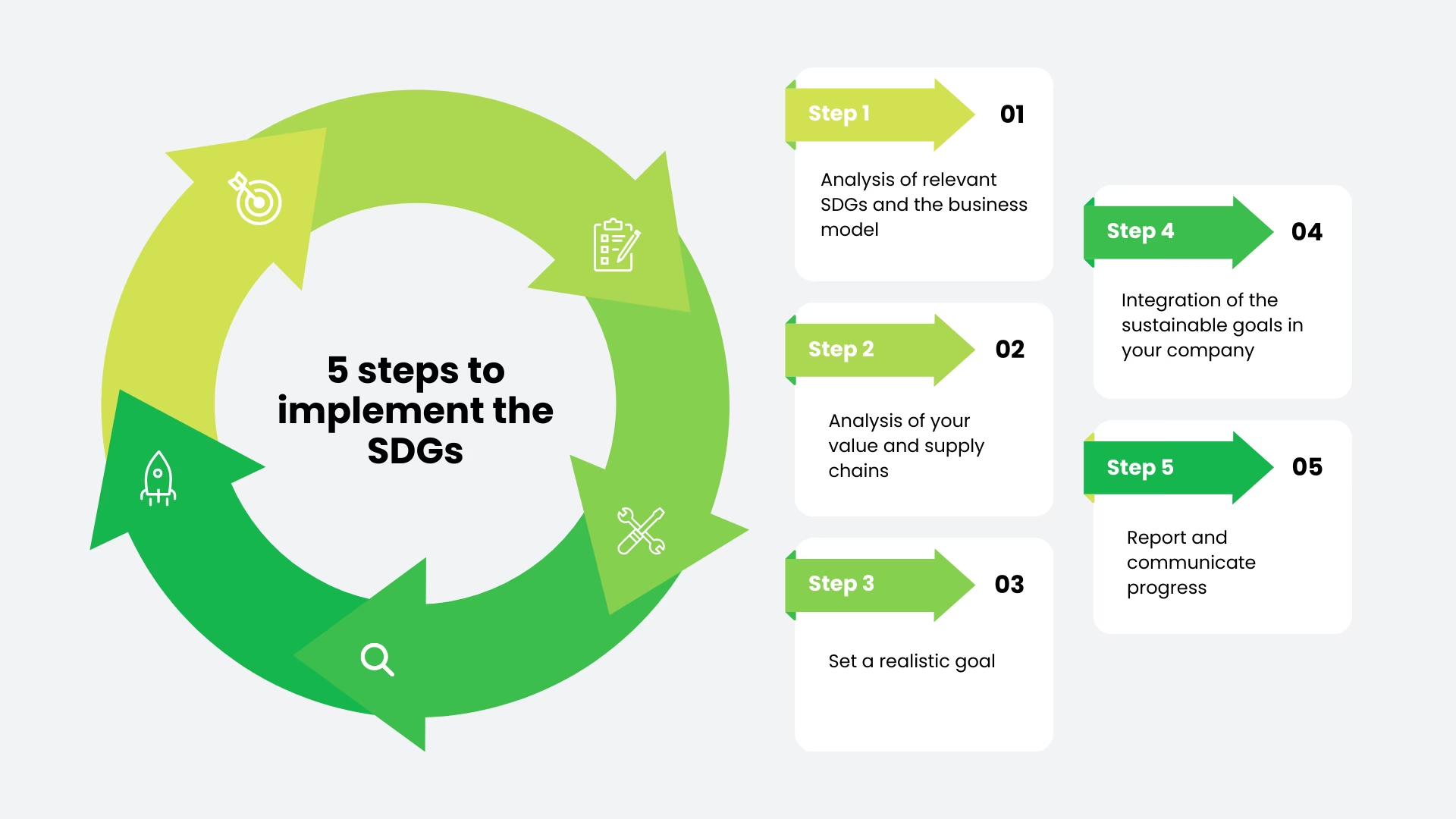
To effectively prioritize the 17 Sustainable Development Goals (SDGs) for your company, follow five steps:
Is the sustainability goal directly linked to your business model? It is crucial that your sustainability strategy is not viewed in isolation, but is closely interwoven with your company's core goals and values. A clear focus on sustainability can not only help you assume social responsibility, but also open up economic opportunities. Companies that successfully integrate SDGs into their business model often increase their competitiveness and promote innovation in their products and services.
Is it relevant to your region or does it have an impact on your value and supply chains? The local relevance of sustainability goals should not be underestimated. Social and environmental challenges are often regional in nature and can directly affect key stakeholders. A thorough analysis of your value and supply chains will reveal how your business has both positive and negative impacts on the community and environment in the region. By actively addressing these issues, you can not only take responsibility, but also strengthen the trust of your customers and partners.
Is the goal within your company's sphere of influence? It is important to set realistic goals that are within your company's scope of action. While an ambitious goal is necessary, it should also be achievable. Check what resources are available to you and to what extent your company can actually influence the desired changes. This is the only way to ensure that your sustainability goals are tangible and actually lead to positive change - both within the company and beyond its borders.
A holistic approach begins with a close look at the existing structures and processes in the company. This includes the most important stakeholders, clear goals and indicators as well as a common understanding of sustainability at all levels. Training and good internal communication help to get employees on board and motivate them to actively implement sustainable practices.
In addition, the involvement of suppliers and partners plays a key role in ensuring a comprehensive approach to sustainability. Effective supply chain management can help to minimize environmental footprints and comply with social standards. With our software solution, we offer you a powerful tool to help you achieve these goals while complying with legal requirements such as the Supply Chain Duty of Care Act.
A key aspect of successful corporate governance in today's world is transparent communication about progress in terms of social, environmental and economic responsibility. The fifth step therefore includes not only the submission of reports, but also the strategic communication of the progress made to all relevant stakeholders. This primarily includes internal stakeholders such as employees and management, but also external groups such as customers, suppliers, investors and the general public.
Regular reporting promotes trust and the credibility of the company. By clearly and honestly naming successes and challenges, companies create a culture of accountability and openness. This is essential for the long-term success and acceptance of sustainability initiatives.
Communication about progress should not be a one-off update, but an ongoing process. Companies should regularly review their measures and document the results clearly. KPIs help to make success measurable and easy to understand. This makes it easy to communicate both figures and qualitative improvements.
We have summarized how you can implement the CSRD step by step in your company in our detailed guide.
By following these five steps, you will lay the foundation for a well thought-out and effective sustainability strategy that not only supports your business goals, but also contributes to a more sustainable future.
For example, SDG 14 "Life below water" is often an area that appears less relevant to many companies, especially those operating in sectors that are not directly related to maritime resources or oceans. Similarly, SDG 15 "Life on land" may be perceived as less directly relevant for companies that primarily offer urban services or are digitally oriented. SDG 3 "Good health and well-being" is also often not considered in the context of corporate strategies, as direct responsibility for public health is usually not anchored in the core business of companies.
These targets show that not all SDGs are equally influenced by corporate activities - and that is fine. However, it is crucial to understand that sustainable development encompasses all aspects of our society. Even if a company is not directly linked to certain SDGs, it can still address them indirectly through its business practices or through its impact on local communities and ecosystems.
In order to select suitable SDGs, you should carry out a materiality analysis that assesses positive and negative impacts along your value chain. Helpful resources such as the SDG Compass can help you to identify relevant topics and derive concrete measures and indicators for measuring success.
The 17 Sustainable Development Goals (SDGs) provide a comprehensive framework that companies can support in different ways. Some goals are particularly relevant for many SMEs, including
Targets that affect certain sectors in particular:
Goal 2 "No Hunger" is aimed at agricultural businesses, food retailers and financial service providers, while Goal 3 "Health and Wellbeing" involves companies from the chemical, pharmaceutical and healthcare sectors. Goal 4 "Quality Education" concerns educational institutions and companies that offer apprenticeships or promote STEM education. Goal 6 "Clean water and sanitation" is important for technology-oriented companies in the water industry and agriculture. Goal 7 "Clean energy" appeals to the energy industry and manufacturing companies to improve energy efficiency.
Goal 9 "Infrastructure, industry, innovation" covers all areas that promote resource efficiency. With regard to Goal 11 "Sustainable cities and communities", the construction and mobility industries in particular play a central role with regard to innovative technologies. Goal 14 "Life below water" addresses fisheries and sustainable technologies, while Goal 15 "Life on land" particularly includes agricultural and forestry businesses as well as companies with sustainable supply chains.
There are also goals that are less directly relevant to companies, such as 1 (No poverty), 16 (Peace, justice and strong institutions) and 17 (Partnerships to achieve the goals), which primarily require government development work.
Overall, it is up to the companies to actively shape their respective contributions to achieving these goals and thus help shape a sustainable future.
Sustainable business practices:
Partnerships and cooperation:
Transparency and reporting:
Sustainable consumption:
Commitment and education:
Reduction of the ecological footprint:
The Sustainable Development Goals are a comprehensive plan by the United Nations to create a sustainable world by 2030. Despite progress, many goals, particularly in the areas of climate protection, education and gender equality, are at risk, as recent reports show. Successful implementation requires joint action by governments, companies and civil society. Companies should align their business models with sustainability, set measurable goals and communicate transparently about successes in order to avoid greenwashing and strengthen their competitiveness. Every individual can contribute to achieving the SDGs through conscious consumption and commitment.
The Sustainable Development Goals (SDGs) are 17 global goals set by the United Nations to promote sustainable development by 2030. They include social, environmental and economic aspects, such as the fight against poverty and hunger, climate protection and the promotion of education and gender equality. The goals are aimed at all countries worldwide and rely on cooperation to overcome global challenges. Their guiding principle is: "Leave no one behind".
The 2030 Agenda is a global action plan of the United Nations (UN) that was adopted by all member states in 2015. It sets out 17 SDGs to promote sustainable development by 2030. The agenda aims to end poverty, reduce inequalities, combat climate change and protect the environment. It applies equally to all countries and emphasizes the link between social, economic and environmental sustainability.
There are 17 Sustainable Development Goals that address global challenges in the areas of social justice, the environment and the economy. They aim to combat poverty, end hunger, promote health, education and gender equality and ensure access to clean water and energy. They also focus on protecting the climate, oceans and ecosystems on land. Economic growth, sustainable cities and responsible consumption are also key issues. Peace, justice and global partnerships play a key role in jointly achieving the goals by 2030.
The 17 goals were adopted by the United Nations in September 2015. They are part of the 2030 Agenda for Sustainable Development, which was unanimously adopted by all 193 UN member states.
The Sustainable Development Goals differ from the former Millennium Development Goals (MDGs) primarily in terms of their scope and focus. While the MDGs from 2000 to 2015 were mainly focused on combating poverty and disease in developing countries with 8 goals, the SDGs have applied universally to all countries since 2015. They also cover environmental and economic issues such as climate protection, sustainable cities and responsible consumption. The SDGs pursue a holistic approach that combines social, economic and environmental sustainability and thus emphasizes the global responsibility of all.
The goals are relevant for all countries because they aim to tackle global challenges that affect every country. Issues such as climate change, environmental degradation, social inequality and sustainable economic activity do not stop at national borders. There is also a need for action in Germany, for example in reducing CO₂ emissions, promoting sustainable consumption and combating poverty and inequality.
As all countries are both perpetrators and victims of global problems, there is a shared responsibility to achieve the SDGs and secure a sustainable future. Germany not only contributes to this through national measures, but also supports other countries through partnerships and development cooperation.
Progress in implementation is measured and monitored by a global UN monitoring system. Each goal is linked to a series of indicators - there are a total of 232 global indicators that make progress quantifiable. These indicators are regularly collected by national statistical institutes and reported to the UN.
In Germany, governments regularly prepare reports on the implementation of the goals. These include sustainability strategies and progress reports that document the status of goal achievement. Internationally, the UN Statistical Commission coordinates data collection, while the annual report and the High-Level Political Forum (HLPF) review global progress and identify challenges. This creates a transparent picture of how far the global community has come in achieving the goals.
Companies play an important role here, as they contribute to economic development and at the same time bear social and environmental responsibility. By integrating sustainable practices into their business models, companies can promote innovation, use resources efficiently and support social justice. This includes measures such as reducing CO₂ emissions, promoting fair working conditions and developing sustainable products and services. Companies can also promote the implementation of the SDGs through partnerships and cooperation with other stakeholders and thus contribute to sustainable global development.
Individuals can contribute through conscious decisions and actions. This includes environmentally friendly practices such as saving energy, separating waste and using public transportation to reduce the ecological footprint. Conscious consumption of sustainable and fair trade products supports responsible production practices and promotes social justice. Individuals can also get involved by supporting local initiatives, volunteering or taking advantage of educational opportunities to raise awareness of sustainable development. These individual contributions promote collective progress towards the global sustainability goals.
Climate protection is a key concern, particularly for SDG 13: Climate action. This goal calls for urgent action to combat climate change and its impacts. Other goals are also closely linked to climate protection:
The 2030 Agenda promotes global cooperation to achieve the goals by strengthening partnerships between governments, businesses and civil society. SDG 17 in particular aims to intensify the global partnership for sustainable development in order to support implementation. By emphasizing shared responsibility and collective action, the 2030 Agenda creates a framework for coordinated action and the exchange of best practices worldwide. This enables synergies to be harnessed and effective solutions to global challenges to be developed.
Implementation faces major challenges worldwide. Many countries, especially developing countries, do not have sufficient financial resources to implement the goals. In addition, conflicting goals and a lack of political coherence make it difficult to integrate the SDGs into national strategies. Close global cooperation between governments, companies and NGOs as well as reliable data and monitoring systems are necessary, but are lacking in many countries. Comprehensive reforms and joint efforts at global level are required to achieve the goals by 2030.
There are numerous projects and initiatives in Germany to implement the Sustainable Development Goals. The German Sustainability Action Days make sustainable lifestyles visible and promote commitment among the population. The SDG portal supports municipalities in recording progress and practical examples of sustainable urban development. Initiatives such as the SDG 12 database document activities for sustainable consumption and production, while the German Nature and Biodiversity Conservation Union (NABU) promotes micro-projects to implement the 17 goals. These measures illustrate the comprehensive commitment of politics, civil society and local authorities in Germany to the 2030 Agenda.
They are measured by a global system of indicators developed by the United Nations. There are a total of 232 global indicators for the 17 goals, which provide concrete data to monitor progress. These indicators are regularly collected by the national statistical institutions of the member states and reported to the UN.
In addition to the global indicators, countries such as Germany set their own national indicators that are adapted to specific circumstances. Progress is documented in regular reports at national and international level, such as the UN's SDG progress report and national sustainability reports. In addition, digital platforms and monitoring tools help to visualize data and make the status of goal achievement transparent.
The goals serve as a global framework for sustainable development and influence political decisions at national and international level. Nationally, governments integrate the goals into their strategies to address issues such as climate protection, poverty reduction and social justice. Internationally, they promote cooperation between countries, organizations and companies in order to overcome common challenges. Forums such as the High-Level Political Forum (HLPF) strengthen transparency and the exchange of progress.

 DE
DE