Whistleblower Act - Reading time: 19 Min

The Whistleblower Protection Act (HinSchG) is a central component of efforts to strengthen transparency and integrity in companies. It ensures that employees who report violations of legal provisions or internal company regulations are protected from reprisals and discrimination. Law-abiding companies benefit from solid whistleblowing systems, as they can identify risks at an early stage and thus prevent legal consequences and reputational damage. Updates to the law include the obligation to set up internal reporting points and staff training to ensure the long-term protection of whistleblowers. By implementing these requirements, companies not only emphasize their compliance, but also actively contribute to promoting an ethical corporate climate.
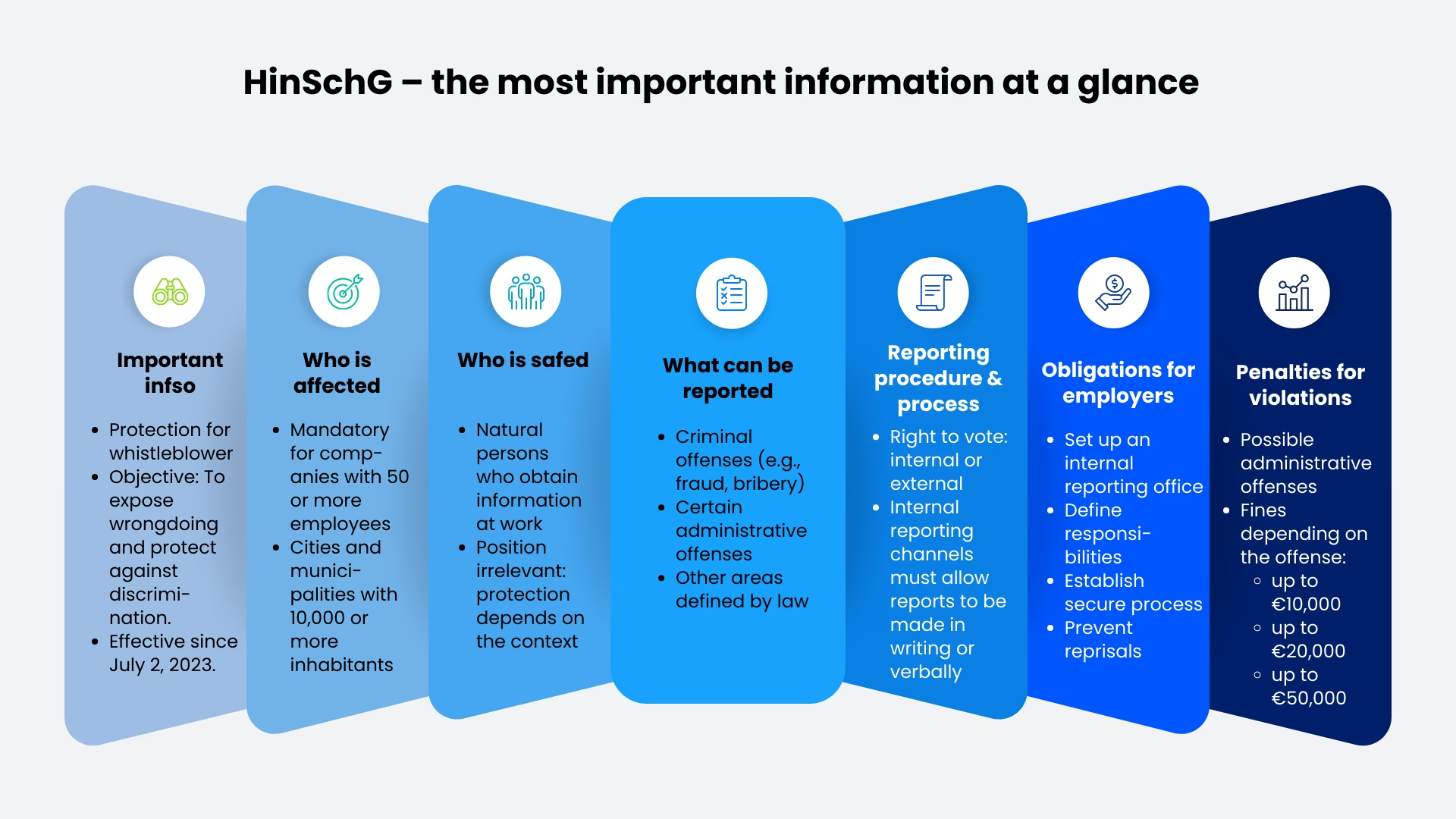
The Whistleblower Protection Act is a law for better protection of whistleblowers. It guarantees the protection of people who report grievances or illegal practices in companies.
The Whistleblower Act was passed on May 12, 2023 and came into force on July 2, 2023.
The Whistleblower Protection Act protects whistleblowers from disadvantages such as dismissal or discrimination. At the same time, it obliges companies to set up an internal reporting office through which information can be submitted and checked confidentially.
The Whistleblower Protection Act applies to companies with 50 or more employees. It also applies to public bodies - for example cities and municipalities - as soon as they have more than 10,000 inhabitants.
Employers are obliged to set up internal reporting channels, train employees and ensure that the identity of whistleblowers is protected. In addition, any form of retaliation is prohibited.
It covers criminal offenses and certain violations subject to fines as well as other areas in accordance with Section 2 HinSchG (including EU law).
Fines of up to 50,000 euros are to be expected.
The Whistleblower Protection Act (HinSchG) protects individuals (whistleblowers) who obtain information about certain legal violations in a professional context and report them. The aim is to uncover irregularities earlier, protect whistleblowers from discrimination and oblige companies to follow clear, comprehensible processes. The law was passed on May 12, 2023, published in the Federal Law Gazette and has mainly been in force since July 2, 2023.
Who enjoys protection as a whistleblower?
Protected are natural persons who obtain information in the course of their professional activities (or in advance thereof) and report or disclose it via the intended channels. The decisive factor is the professional context, not the hierarchy.
The Whistleblower Duty of Care Act protects reports of certain violations, in particular criminal offenses and selected violations subject to fines, as well as other areas defined by law. The material scope of the law is decisive.
Practical examples:
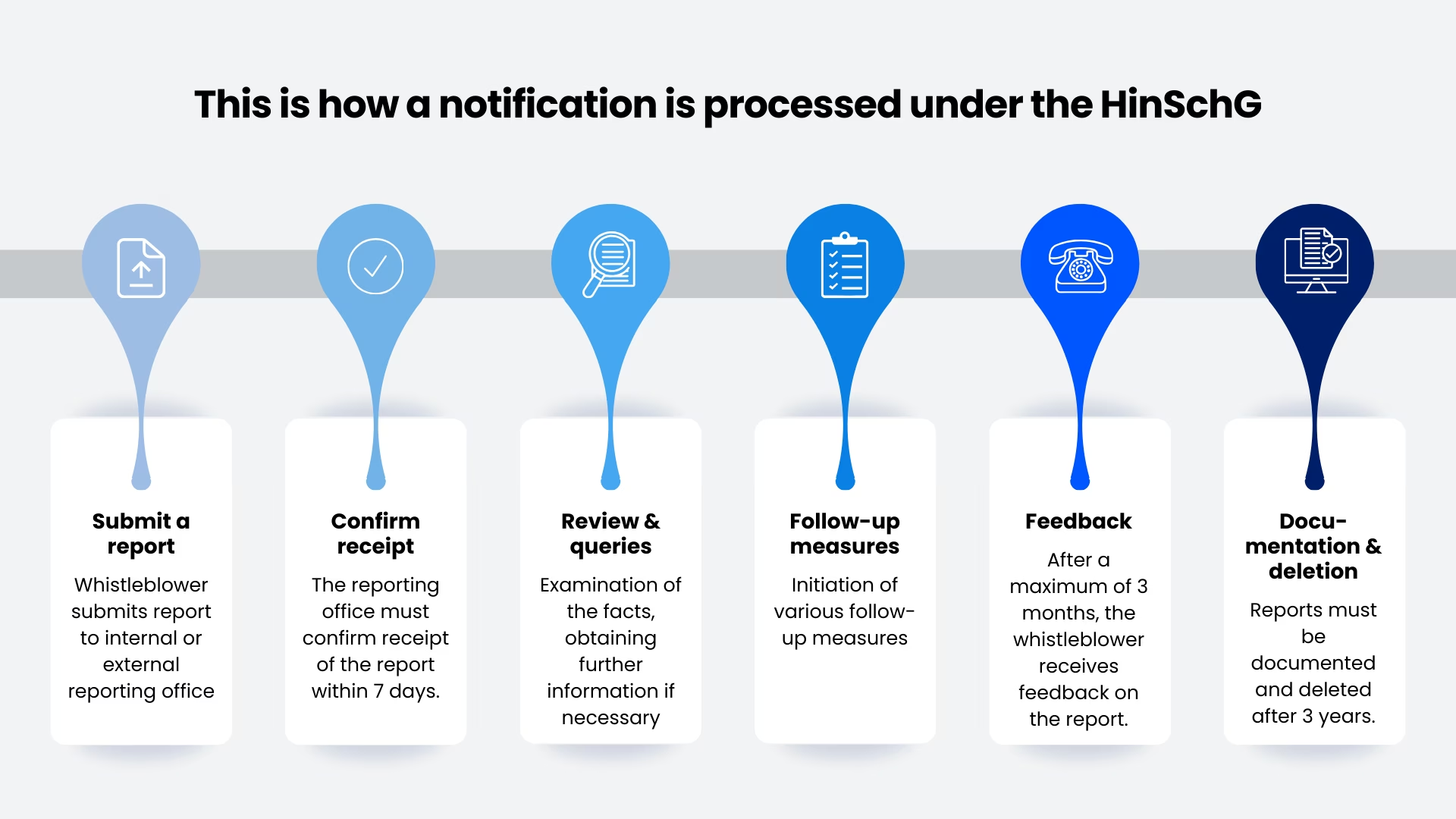
The submission of a notification usually proceeds as follows:
Internal or external option: Whistleblowers can report internally to the reporting office in the company or externally to a competent reporting office.
Internal reporting channels: Minimum requirements
Anonymity - important clarification
There is no general obligation to provide an anonymous reporting channel. However, reports received anonymously should be processed.
Employers must:
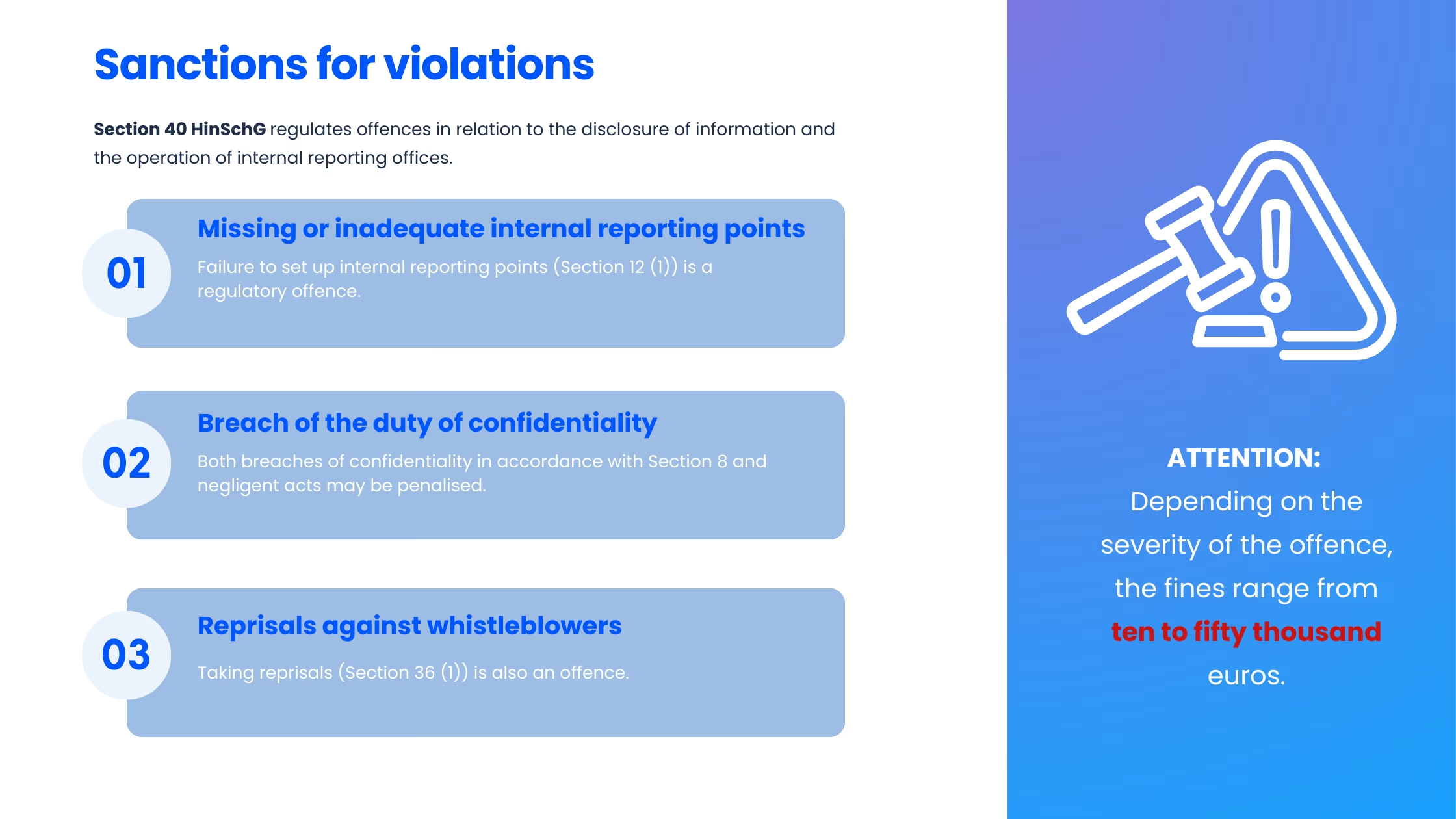
Violations can be punished as administrative offenses. Depending on the case, fines of:
The Whistleblower Duty of Care Protection Act ensures that people are better protected when they report wrongdoing or illegal behavior in companies or authorities. It is intended to create a secure and confidential opportunity to provide information. This allows misconduct to be identified and stopped at an earlier stage.
The law sets out clear requirements for this: Companies must set up internal reporting offices, process reports in a structured manner and protect the identity of whistleblowers. At the same time, anyone who makes a report must not fear any disadvantages for doing so. This is based on the requirements of the EU Whistleblower Directive so that the standard of protection is comparable across Europe.
The Whistleblower Protection Act is legislation designed to ensure the protection of individuals who report information about wrongdoing or illegal activities within a company. These whistleblowers are also known as whistleblowers. The law is central to promoting transparency and integrity in business processes.
The HinSchG obliges companies above a certain size to set up a secure reporting channel for whistleblowing. This allows employees to report violations or concerns confidentially. At the same time, the law makes it clear that anyone who makes a report does not have to fear any disadvantages, such as dismissal, bullying or other forms of retaliation.
The law transposes the EU Whistleblower Directive into German law. This will bring the protection of whistleblowers in Germany into line with Europe-wide requirements and raise it to a uniform level.
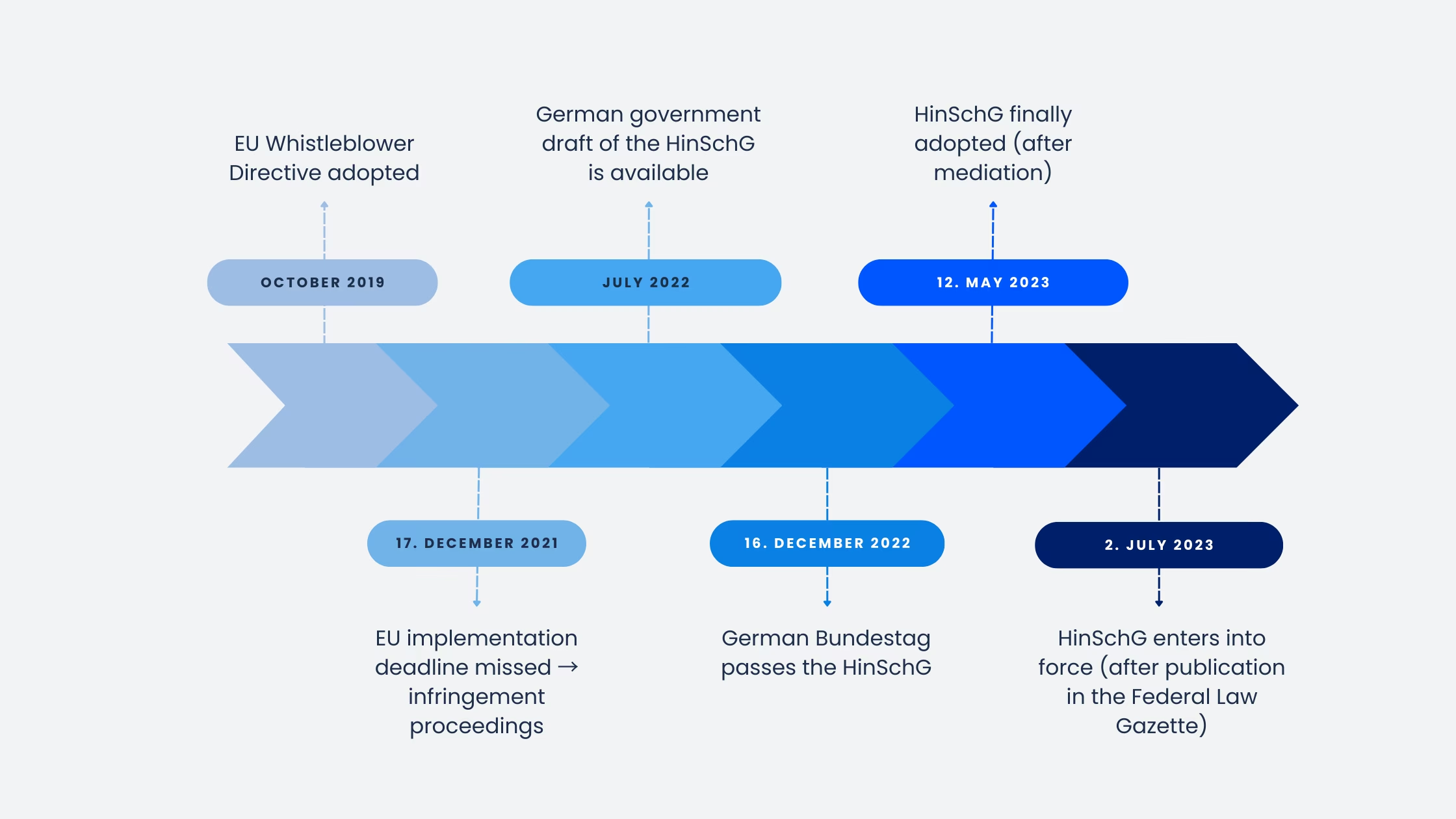
The development began with the adoption of the EU Whistleblower Directive in October 2019. At the beginning of 2021, the SPD-led Ministry of Justice submitted a draft to the grand coalition for departmental coordination, but this failed due to objections from the CDU/CSU. The new traffic light coalition included the HinSchG Act in the coalition agreement at the end of 2021 and committed to implementing it. As Germany was unable to meet the EU deadline of December 17, 2021, the EU initiated infringement proceedings. The Federal Minister of Justice published a new draft bill in April 2022, which was followed by a government bill in July 2022.
The German Bundestag and Bundesrat debated the law in September 2022. After further amendments, the Bundestag passed the HinSchG on December 16, 2022, but the Bundesrat prevented its implementation in February 2023 due to criticism from CDU-led federal states. A new draft was debated in the Bundestag on March 17, 2023, and the Federal Government called the Mediation Committee on April 5, 2023. The Whistleblower Protection Act was finally passed on May 12, 2023 and came into force on July 2, 2023, one month after publication in the Federal Law Gazette (*BGBl. 2023 I No. 140).
The legal framework of the Whistleblower Protection Act aims to protect people who report wrongdoing or breaches of the law within a company from reprisals. It obliges companies to set up secure and confidential channels through which whistleblowers can report information. In addition, companies are required to implement transparent processes to ensure that reports received are processed properly and that the information concerned is investigated.
The German Whistleblower Protection Act is closely linked to the EU Whistleblower Directive. The EU has thus created a common framework so that whistleblowers are better protected throughout Europe and companies must offer secure reporting channels. The Whistleblower Protection Act transposes these requirements into German law and thus strengthens protection for anyone who obtains and reports information about breaches.
The EU Whistleblower Directive obliges companies above a certain size to set up and operate internal reporting channels. The identity of whistleblowers must remain confidential and discrimination should be prevented.
The Whistleblower Act implements these requirements in Germany and makes it clear how companies must comply with them in practice. This enables companies to expand their compliance structures in a targeted manner and at the same time ensure greater transparency and integrity in everyday working life.
The aim of the Whistleblower Protection Act is to provide legal protection for people who expose wrongdoing in companies. This rule is important to promote a culture of transparency and responsibility in the corporate world. The Act creates a formal framework to ensure that whistleblowers are protected from retaliation, such as dismissal or discrimination. At the same time, companies are obliged to set up internal reporting systems in order to process reports efficiently and confidentially. The background to the law lies in the need to combat corruption, fraud and other unethical practices that can jeopardize the reputation and integrity of companies.
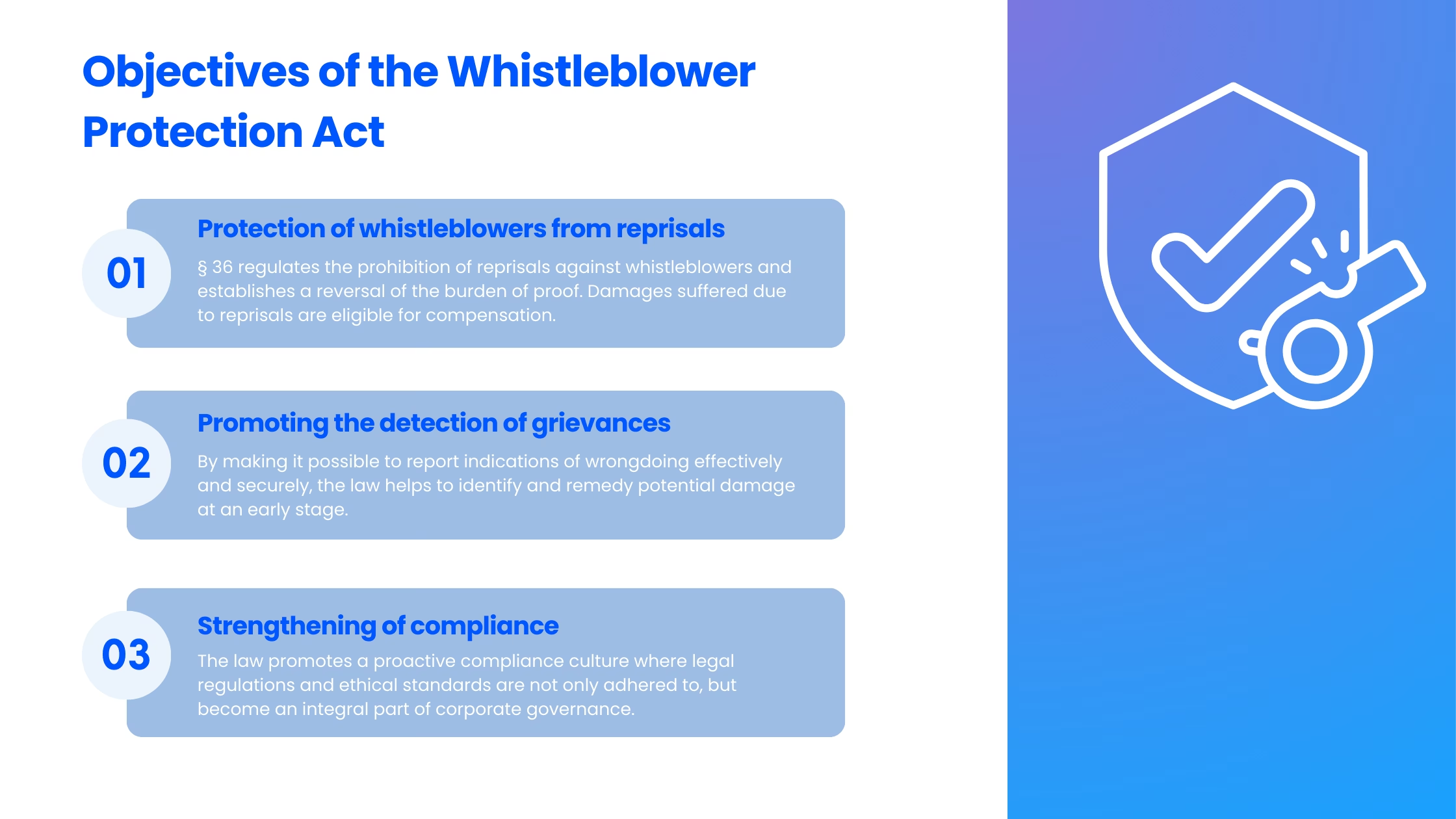
The Whistleblower Protection Act ensures that individuals who report grievances in companies (whistleblowing) are protected from possible reprisals. This protection is important because it is the only way to create an environment in which employees can report information openly and without fear of negative consequences. The law also provides that whistleblowers are legally protected in the event of dismissals, professional discrimination or other reprisals. These measures strengthen trust in internal reporting processes and encourage more people to actively promote integrity and transparency.
The Whistleblower Protection Act creates the conditions for whistleblowers to report information at an early stage so that it can be investigated and remedied before a problem turns into tangible damage. In practice in particular, breaches often remain undetected for a long time: because responsibilities are unclear, because employees shy away from conflict or because the fear of negative consequences prevails. By bindingly ensuring confidentiality and protection against reprisals, the law significantly lowers this inhibition threshold.
For companies, this means that information no longer just appears randomly, but ends up in the right place via a clear process. They can be recorded, checked and followed up in an organized manner. This means that problems can often be stopped at an early stage, such as illegal practices, gaps in the process or unnecessary financial risks.
There is also an important learning effect: if certain reports accumulate, this shows quite clearly where rules are unclear, controls are lacking or management and corporate culture should be readjusted.
This effect is also relevant from an external perspective. The sooner organizations identify and rectify grievances internally, the lower the risk of issues escalating, for example through official proceedings, media coverage or court cases. The law therefore not only acts as a protective law for whistleblowers, but also as an early warning system that can strengthen integrity and trust in organizations and markets as a whole.
With the HinSchG, compliance is becoming a real management task in many companies. Companies must create reliable reporting channels, define clear responsibilities and ensure that reports are processed confidentially, fairly and within the specified deadlines.
In this way, compliance does not stop at paper and guidelines, but becomes tangible in everyday life: A tip is received, checked, documented, feedback is given and concrete measures are taken at the end.
In practice, the law strengthens three things in particular:
In the long term, a good whistleblowing system has two advantages: Violations are detected earlier, reducing legal and financial risks. At the same time, it strengthens the company's reputation with employees, business partners, authorities and the public.
Compliance is therefore not only a protective shield, but also an important building block for responsible and sustainable corporate governance.
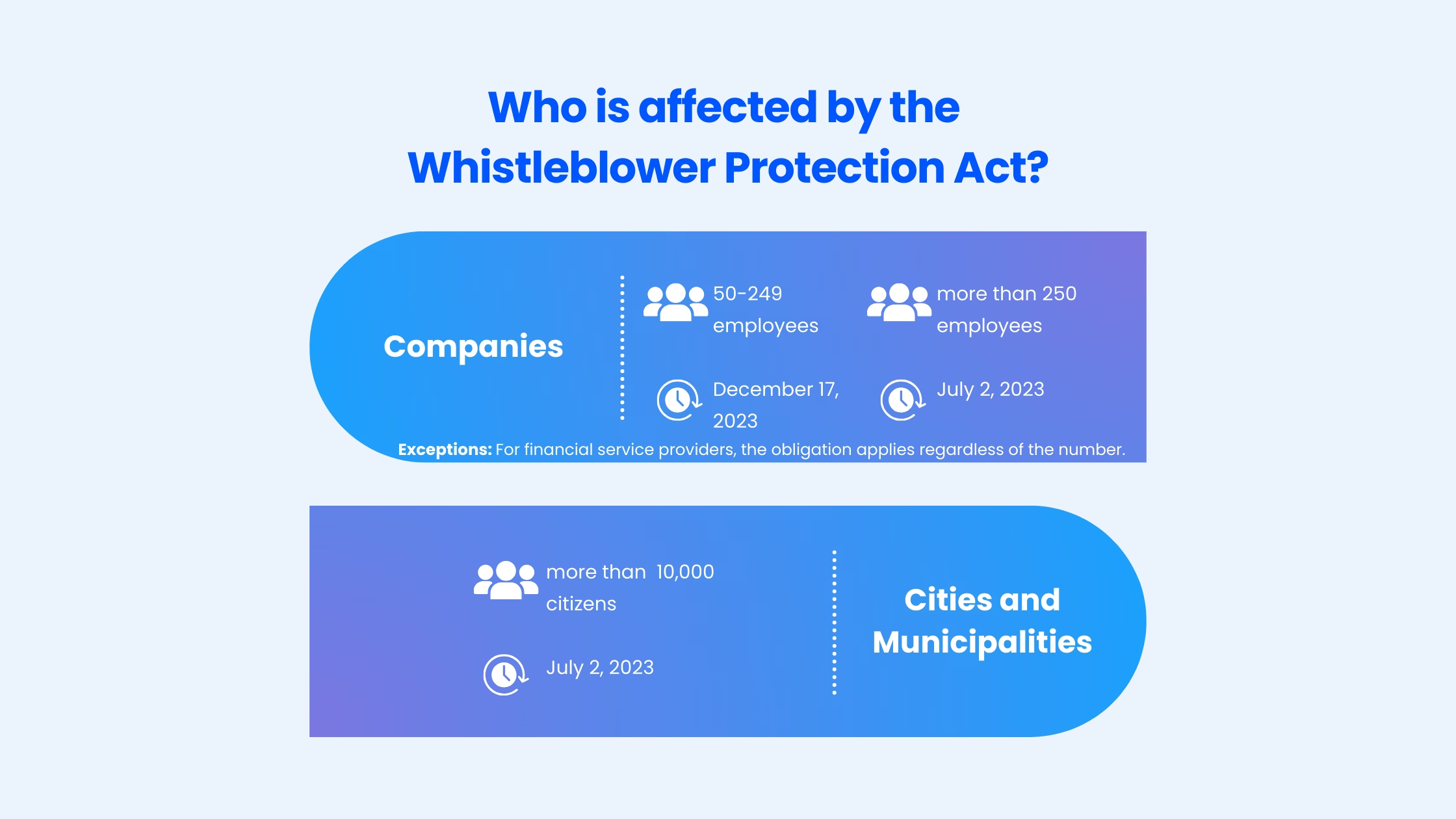
The obligation to set up and operate an internal reporting office applies to most companies with 50 or more employees. The obligation has applied to large companies with 250 or more employees since it came into force, while smaller companies (50-249 employees) had a transitional period until December 17, 2023.
In addition, there are special cases in which the obligation may apply regardless of the number of employees, particularly in certain regulated sectors (e.g. financial services providers).
Practical relevance for SMEs: Companies with 50-249 employees may operate a joint Whistleblower Protection Act reporting office (e.g. in a group of companies or together with other companies). However, the responsibility for follow-up measures and remedial action remains with the respective company.
The law also applies to public institutions as well as cities and municipalities with a population of more than 10,000 people. These have also had to provide corresponding whistleblower systems since the beginning of July 2023.
For federal or state authorities, the highest authorities determine the corresponding organizational units. This obligation also applies to municipalities and companies under municipal control, but is subject to the respective state laws.
The personal scope of application is deliberately broad. Protected are for example:
This makes it clear that the Whistleblower Protection Act is not just an "employee law", but also covers many constellations relating to projects, outsourcing and supply chains in which violations typically become apparent.
Important: The protection does not automatically apply to every criticism or internal conflict, but only if a report concerns a violation within the meaning of the law (see § 2 HinSchG).
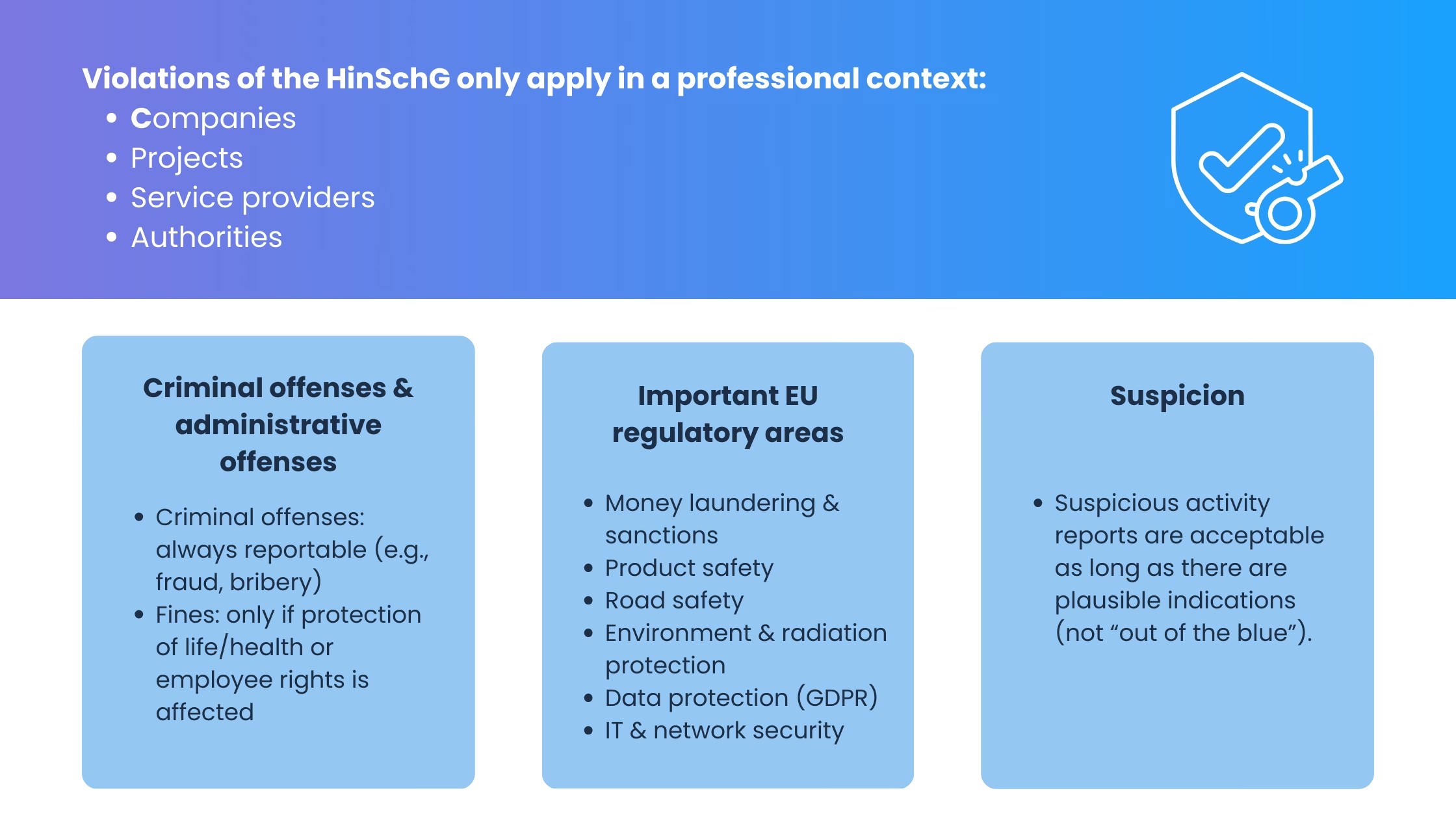
The law regulates the reporting and disclosure of information on various types of legal violations. These include violations subject to criminal penalties and fines, in particular those relating to the protection of life, health and employee rights. It also includes legislation to combat money laundering, product safety, road safety, environmental and data protection regulations. In addition, regulations on competition and tax law as well as the protection of the EU's financial interests are taken into account. The law therefore applies comprehensively to numerous areas of public and economic life in order to ensure transparency and compliance.
The Whistleblower Protection Act protects whistleblowers who report legal violations that occur in their professional environment. This includes, for example, information within the company, in projects, with service providers or in public authorities. Anything that happens in a purely private capacity and has nothing to do with the professional context is not covered by the law.
1) Criminal offenses and certain administrative offenses
Essentially, any criminal offense under German law is generally reportable (e.g. fraud, bribery, breach of trust, forgery of documents). In the case of administrative offenses (fines), the scope of application is narrower. The protection applies above all if the violated regulation serves to protect life, limb or health or the rights of employees or their representative bodies.
Practical examples:
2) Infringements in specific EU regulatory areas
In addition to criminal and fine cases, the HinSchG also covers violations of a number of regulatory areas under EU law that are particularly heavily regulated and have a high public interest. These include, among others:
Violations are often difficult to see through, especially in these areas, as there are many rules, many parties involved and often external service providers. In practice, such problems often only come to light when someone points them out internally. For example, when documents are "whitewashed", checks are simply suspended or obligations along the supply and value chain are not complied with.
Practical examples:
3) Important for the classification: Suspicion is possible - but not "in the blue"
A major practical point: whistleblowers do not have to prove everything in court first. Suspicious activity reports can also be protected if there was sufficient reason to believe at the time of the report that the information is correct or falls within the scope of application.
Corruption and fraud are among the most frequent and at the same time most serious violations in companies and public institutions. This is precisely why the Whistleblowing Act is important: it ensures that such cases can be reported safely without whistleblowers having to fear professional disadvantages.
The hurdle is often high, especially in cases of corruption and fraud. There are often several people involved, processes are deliberately concealed and anyone who reports something quickly expects a headwind. The law is intended to allay this fear and make reporting possible.
Corruption is not just "classic" bribery. It also includes seemingly minor things such as benefits, invitations or favors if they are used to improperly influence decisions.
Fraud often manifests itself in very typical patterns: false invoices, sham invoices, embellished proof of performance, misappropriated funds or deliberately withheld information from customers, authorities or business partners. Areas such as purchasing, sales, project business, funding management and cooperation with external service providers or partners are particularly susceptible.
The HinSchG is particularly important here because it protects information on violations that are punishable by law or can be punished with a fine. This includes many cases of corruption and fraud.
This also includes problems relating to public tenders, for example if procedures are manipulated, bids are colluded with or undue advantages are granted. Depending on the case, indications of tax violations or anti-competitive behavior may also be included. Proof is often difficult, particularly in the case of competition law infringements, and such matters often only come to light through internal information.
Information is also becoming increasingly important in the digital sector. In data-driven business models, for example, manipulation, unfair market practices or illegal behavior relating to platforms and digital services can be involved. Such cases can quickly become expensive - financially, in terms of reputation and also vis-à-vis supervisory authorities. If the violation falls within an area covered by the Whistleblower Act, it can be reported as normal via the whistleblower system.
The bottom line is that the law strengthens integrity in business transactions: it increases the likelihood that corruption and fraud risks will be identified, investigated and remedied at an early stage. For companies, this is not only a question of legal compliance, but also a real protection factor - because early detection can often prevent costly consequential damage, criminal proceedings and loss of trust.
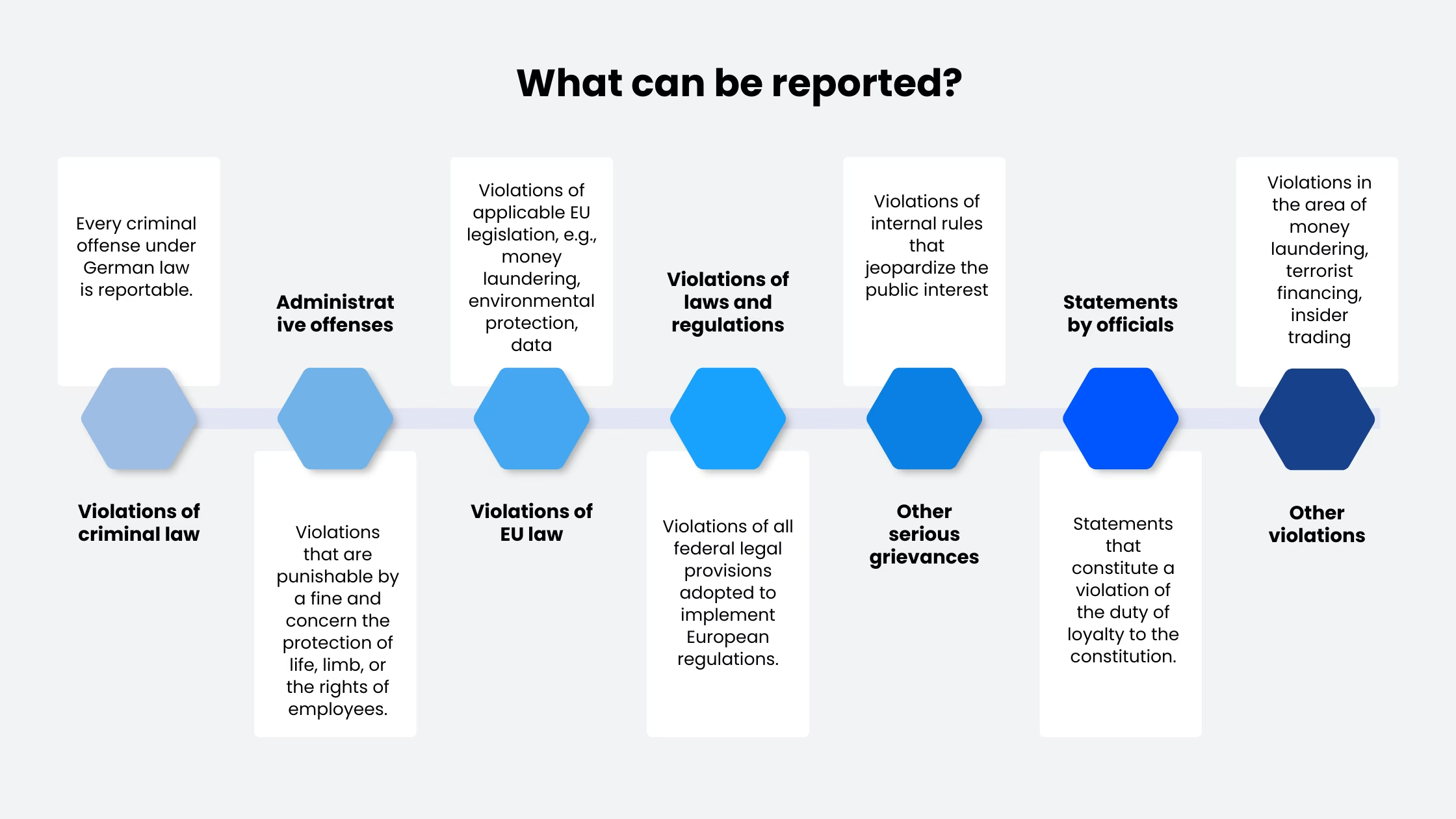
Violations and abuses that endanger the public interest, such as corruption, fraud, violations of laws and regulations, violations of EU law and other serious abuses, can be reported. This also includes suspected cases. The HinSchG only protects reports that fall within the material scope of application (Section 2) - internal policies are only covered if they are related to such a violation.
A non-exhaustive list of violations and grievances:
The HinSchG grants whistleblowers the right to choose between internal and external reporting. Whistleblowers can either contact an internal reporting office (as described in Section 12 HinSchG) or an external reporting office (as described in Sections 19 to 24 HinSchG). As a rule, whistleblowers should prefer to report internally if they are certain that effective action can be taken internally against the violation and do not have to fear reprisals. If no internal remedy has been found, external reporting remains an option.
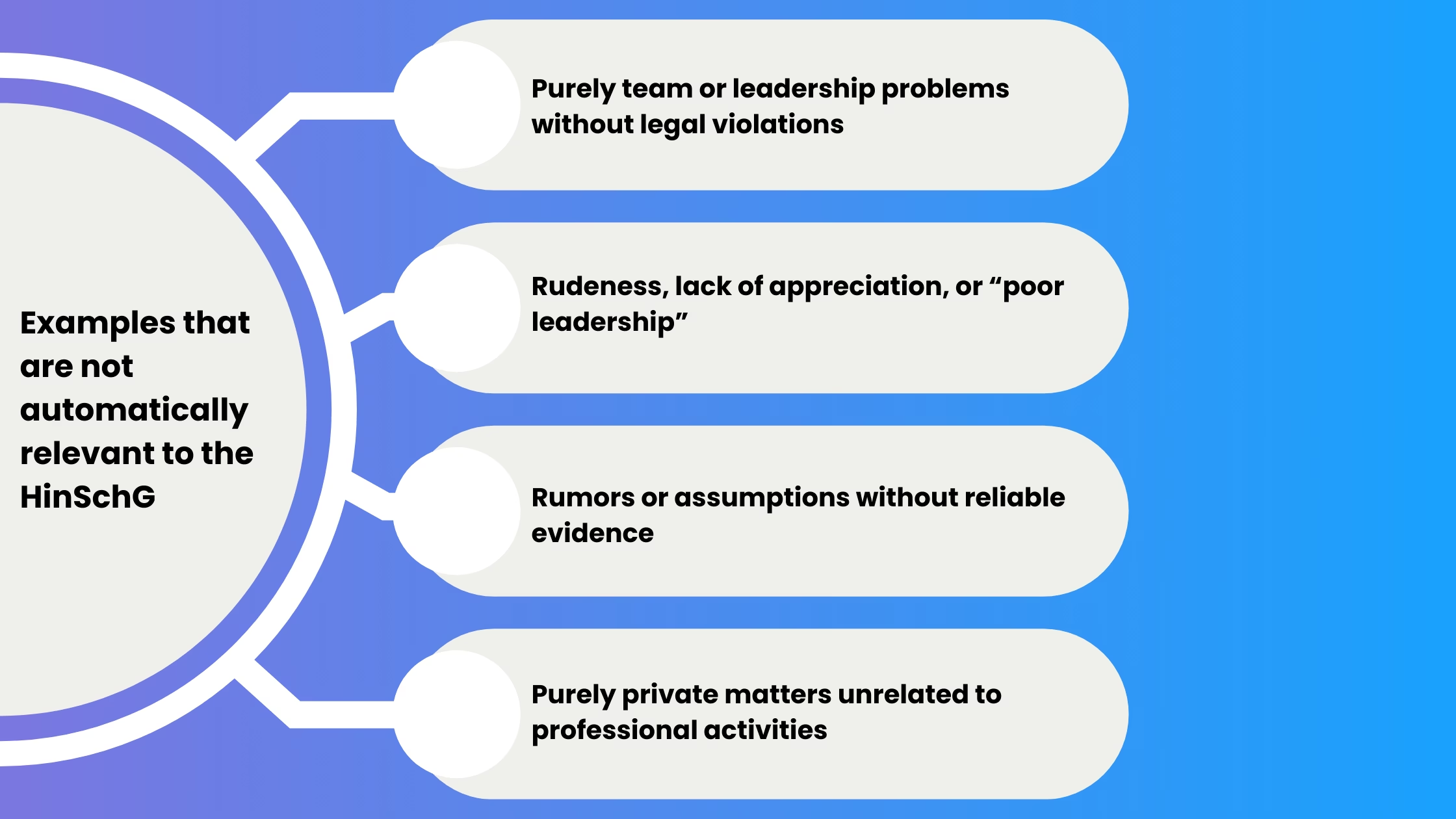
The Whistleblower Protection Act protects reports of certain legal violations that are defined in the law. Not every discrepancy in everyday working life is automatically a "whistleblower case" within the meaning of the Whistleblower Protection Act. Although many issues are important for management, HR or corporate culture, they do not necessarily fall within the scope of legal protection.
This is an important distinction, because otherwise false expectations can quickly arise: Anyone who reports something does not automatically have HinSchG protection just because it was "unfair" or "unpleasant". Conversely, the following also applies: an issue can still be taken seriously and clarified internally - even if it does not fall within the legal scope of application.
Typical examples that are not automatically relevant to the HinSchG
1) Pure team or leadership problems without legal violations
Conflicts within the team, poor communication, a harsh tone or disagreements about the distribution of tasks are frequent reasons for complaints. They can put a lot of strain on the working atmosphere - but are not automatically HinSchG reports as long as there is no specific legal violation behind them.
2) Rudeness, lack of appreciation or "poor leadership"
Unprofessional behavior or poor management is annoying and can have internal consequences. For the Whistleblower Protection Act, however, the decisive factor is whether a relevant violation is associated with it (e.g. discrimination according to legal standards, occupational health and safety violations, etc.). Without this connection, it usually remains a topic for internal conflict resolution or HR.
3) Rumors or suppositions without reliable evidence
"You hear there's something going on" or "I think someone is doing something illegal" is often not enough as a basis. Whistleblowers do not have to prove everything - but there should be comprehensible evidence. Pure speculation is problematic because it can quickly turn into false accusations.
4) Purely private topics unrelated to professional activity
What happens in private life and has no connection to work or the organization does not fall under the HinSchG. The decisive factor is the professional context: Was the information obtained in the course of work and does it concern the company or the work context?
Important for practice
This demarcation does not mean that such issues are "irrelevant". On the contrary: many of these cases belong in other processes - e.g. management meetings, HR, conflict management, equal opportunities/complaints offices or works councils. However, they are not automatically covered by the HinSchG.
A good whistleblowing process makes precisely this transparent: it explains clearly which issues should be reported via the whistleblowing system - and where it is best to go with other concerns. This reduces frustration, protects everyone involved and ensures that genuine compliance cases are processed quickly and cleanly.
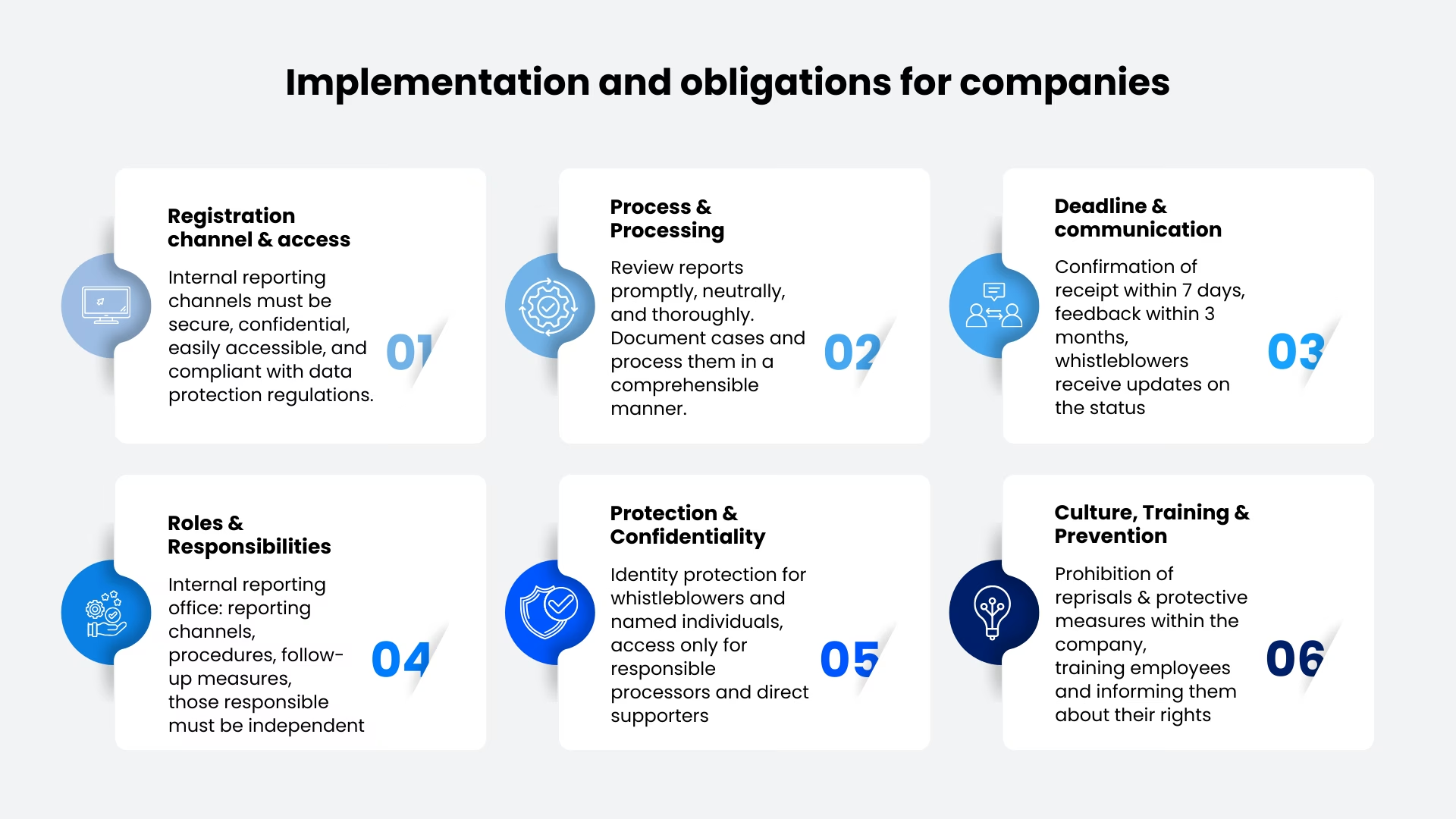
The law sets out clear requirements for employers: they must protect whistleblowers and ensure that reports are processed properly. To do this, companies need an internal reporting channel through which employees can report violations or unethical behavior securely and confidentially. These channels must be both easily accessible and data protection-compliant in order to ensure the protection of whistleblowers and the integrity of the data.
Employers must also ensure that reports are investigated quickly, neutrally and thoroughly. This requires trained individuals who can accept and process reports. Proper documentation is just as important: cases should be recorded in a comprehensible manner and whistleblowers should receive updates on the status of the investigation. This creates transparency and strengthens trust in the process.
Furthermore, the law prohibits any reprisals against whistleblowers. Employers must take measures to prevent retaliation and protect the rights of whistleblowers. This also includes educating and raising awareness among the entire workforce about the protection mechanisms and their rights under the Whistleblower Protection Act.
These obligations help to create a corporate culture in which openness, integrity and responsibility are taken seriously. Companies that implement the topic properly usually benefit twice over: trust grows in everyday working life and compliance becomes more firmly anchored in the company at the same time.
The internal reporting offices ensure that there are appropriate reporting channels (§ 16), that incoming reports are processed according to the intended procedure (§ 17) and that suitable follow-up measures are subsequently taken (§ 18). They also provide employees with clear and easily accessible information about external reporting offices and which procedures may be relevant for EU institutions.
Those responsible for an internal Whistleblower Protection Act reporting office must act independently in their work and may perform other tasks at the same time, provided this does not lead to conflicts of interest. Employers are obliged to ensure that these persons have the necessary expertise. This regulation also applies accordingly to organizational units of the federal or state governments.
The procedure is explained in detail in Section 17 of the Whistleblower Protection Act. The internal reporting office confirms receipt of a report within seven days and checks whether the reported violation is relevant in accordance with Section 2. Throughout the entire procedure, it remains in contact with the whistleblower, checks the report for validity and requests further information if necessary.
After the check, the internal reporting office must provide feedback within three months. Or at the latest three months and seven days after receipt if receipt has not been confirmed. This feedback must explain what measures are planned or have already been implemented and why. Ongoing internal investigations must be taken into account and the rights of the persons concerned must be protected.
As follow-up measures pursuant to § 18, the internal reporting office may in particular:
Training and clear information on the reporting channels are mandatory under the HinSchG. They are also the key to ensuring that the system is actually used on a day-to-day basis. Employees need to know what rights and obligations they have and which channels they can use to submit reports safely.
Good training also helps to recognize warning signals early on and to classify incidents correctly. In this way, information can be reported in a structured and comprehensible manner - without uncertainty or fear of making mistakes. This not only supports compliance with legal requirements, but also strengthens trust in internal processes and shows that the company takes transparency and integrity seriously.
The central principle is the confidentiality requirement, which is enshrined in Section 8. This requirement ensures that the identity of whistleblowers is protected at all times, creating a safe environment for reporting possible violations.
Reporting offices are obliged to treat the identity of the following persons confidentially:
The identity of the whistleblower may only be disclosed to those who receive the report or implement follow-up measures and, if applicable, to their direct supporters. This confidentiality always applies, even if it later transpires that another body was responsible for the report.
The Whistleblower Protection Act sets out specific requirements for external reporting offices in order to ensure effective protection of whistleblowers and the proper processing of reports. Here are the main requirements:
External reporting offices should work independently and neutrally. This creates trust and prevents conflicts of interest. At the same time, they must treat the identity of whistleblowers and other parties involved as strictly confidential and may not pass on information without authorization.
It is also important that they are easy to reach. This requires several contact options and clear, understandable information on how the reporting procedure works.
Expert employees must check reports carefully and initiate appropriate follow-up measures if necessary. Whistleblowers should also receive feedback within the specified deadlines so that they know how to proceed.
Complete documentation is just as important: every report and every action should be recorded in a comprehensible manner. This creates transparency and helps to regularly evaluate the effectiveness of the whistleblowing system. And, of course, clear protective measures are needed so that whistleblowers do not have to fear reprisals.
These requirements help to ensure the integrity and efficiency of external reporting offices and promote a culture of openness and responsibility in organizations.
The Federal Office of Justice has an independent external federal reporting office. It is organizationally separate from the rest of the Office's area of responsibility (Section 19 HinSchG). It is precisely this separation that is intended to ensure that reports are treated confidentially and that the office is truly independent, which in turn strengthens trust in the procedure.
The external reporting office performs its tasks independently, but is subject to the supervision of the President of the Federal Office without compromising its independence. It receives the necessary personnel and material resources to fulfill its tasks. It shall be responsible for all cases unless other external reporting offices are responsible pursuant to Sections 20 to 23. Each Land also has the option of setting up its own external reporting offices for matters relating to the respective Land and municipal administrations.
For example, in accordance with Section 22 HinSchG, the Federal Cartel Office is the competent external reporting office for notifications of information on breaches of EU competition law (Art. 101 and 102 EU competition law) and German competition law (Section 81 (2) No. 1, 2a, 5 and (3) ARC). In addition, infringements of the Digital Markets Act (DMA, Regulation (EU) 2022/1925) are mentioned.
External reporting offices must also publish a public report every year (Section 26 HinSchG). The following applies: The report must not contain any information that could be used to identify whistleblowers or affected companies.
External reporting offices first check whether the reported facts fall under the Whistleblowing Act at all and whether there are any exceptions (§ 2 and § 5). Under certain conditions, parties involved may be granted access to files. However, confidentiality and secrecy must be maintained and the rights of third parties must not be impaired.
The whistleblower will receive feedback within a reasonable period of time, but no later than three months. In more complex cases, an extension of up to six months is possible, whereby the reasons for this must be communicated. Particularly serious violations can be prioritized without affecting the above-mentioned deadlines for feedback.
The HinSchG Act requires external reporting offices to take a particularly strict approach to confidentiality. They must ensure that both the identity of the reporting person and the information transmitted are protected from unauthorized access.
The most important requirements for the reporting office include
Access rights should be strictly regulated so that only authorized persons can access the information in order to prevent unauthorized access. It is also essential to offer anonymity options to further ensure the protection of whistleblowers.
External reporting offices must explain their reporting procedures in such a way that the information is easy to find and easy to understand. Internal reporting offices can use this information to fulfill their duty to provide information in accordance with Section 13 (2). The federal government's external reporting office also provides detailed information on this.
This is important so that employees know where and how they can report grievances or legal violations - simply and effectively. Internal reporting offices must therefore provide their employees with clear, precise and comprehensible information on external reporting channels.
This information must also include relevant reporting systems of European Union institutions, bodies, offices or agencies. This means that all employees must be informed of the options available to them to raise issues safely and anonymously. Providing such information promotes a climate of trust and openness within the organization. As a result, it ensures that all employees can speak up without fear of reprisals.
In addition to internal and external reporting, the Whistleblower Protection Act also recognizes a third option: disclosure, i.e. the passing on of information to the public, for example to the media or via other public channels.
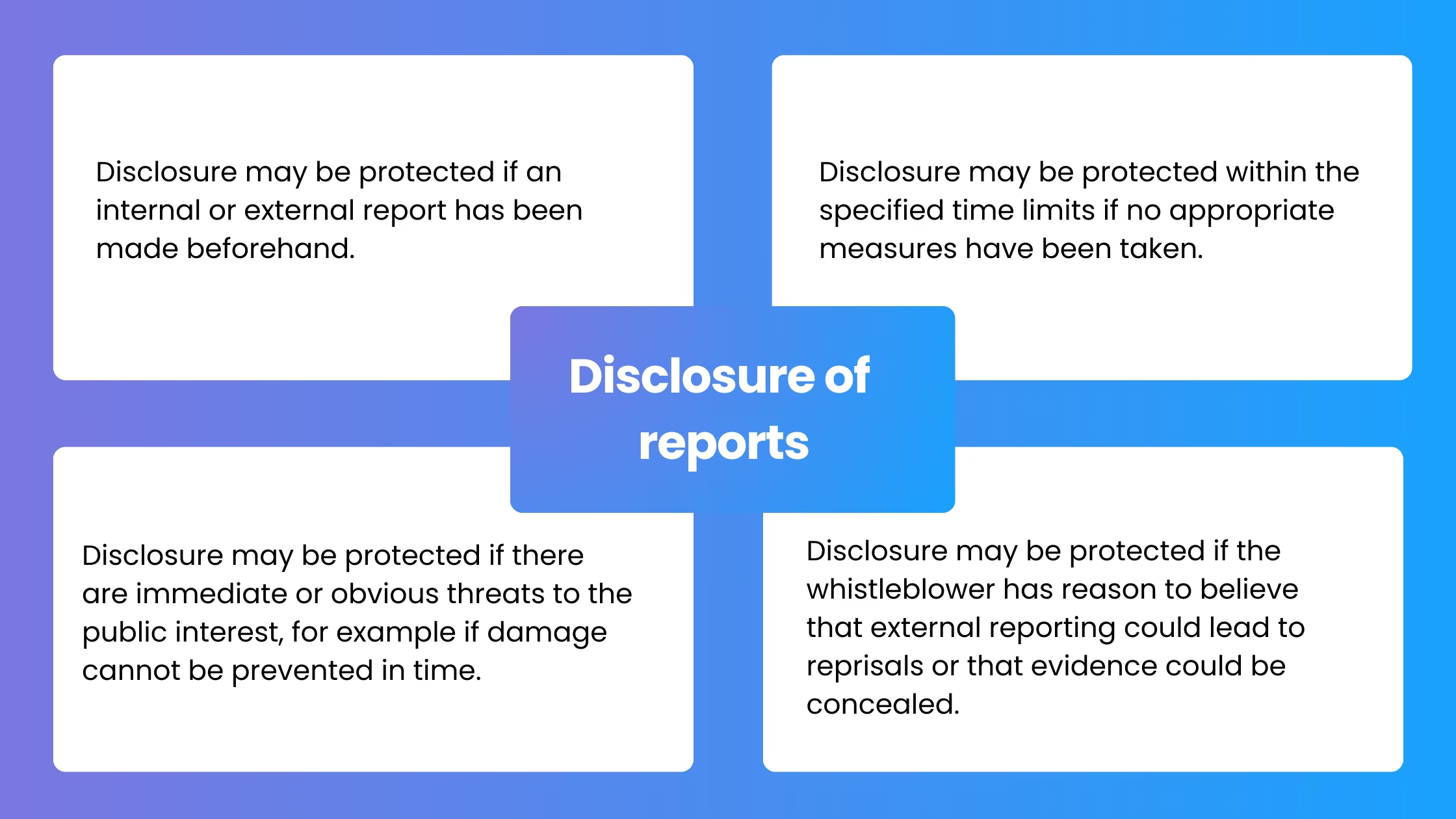
However, it is important to note that this form is not automatically protected. The law sets out clear requirements for this. A disclosure may be protected in particular if:
The hurdles for protected disclosure are deliberately higher than for internal or external reports. The legislator wants to ensure that the intended reporting channels are used first - unless there are good reasons to go public directly.
For companies, this means that a functioning internal whistleblowing system reduces the risk of cases escalating to the outside world. For whistleblowers: Anyone considering a public disclosure should carefully check whether the legal requirements are met for the protection under the HinSchG to apply.
To ensure that the whistleblower system does not remain abstract, it helps to take a look at the typical procedure. This is what a procedure looks like in practice:
A whistleblower can contact the company's internal reporting office or an external reporting office. The report can be made in text form or verbally - depending on the design of the system. It is important that it is treated confidentially.
The internal reporting office confirms receipt of the report after seven days at the latest. This lets the person making the report know that the report has been received and is being processed.
It then checks whether the reported facts fall within the scope of the HinSchG. The Reporting Office assesses the validity of the report, requests further information if necessary and - as far as possible - remains in contact with the person making the report. Confidentiality and the rights of all parties involved must be respected.
Depending on the results of the audit, various measures can be initiated. These include, for example, internal investigations, discussions with the departments concerned, organizational adjustments or - if necessary - forwarding the matter to the relevant authorities. In some cases, the procedure is also discontinued, for example if the suspicion is not confirmed.
The whistleblower will receive feedback no later than three months after confirmation of receipt. This will state - while maintaining confidentiality - what measures have been taken or are still planned. In complex cases, an extension of the deadline is possible.
All reports must be carefully documented. The documentation is generally deleted three years after completion of the procedure, unless longer storage is necessary and proportionate.
The law protects people who point out irregularities in a company. Anyone who ignores the requirements must expect tangible consequences, such as high fines. There is also the risk of a case becoming public and damaging the company in the long term.
Companies should therefore set up clear reporting channels and clean processes for handling reports and design their internal rules in such a way that they meet the legal requirements.
The Whistleblower Protection Act provides for various sanctions for companies and employers who violate the regulations. In the event of a breach of the Whistleblower Protection Act, companies and employers may face the following consequences:
Companies should therefore ensure that compliance and the responsible departments are aware of the requirements of the law and take the right steps at an early stage to prevent violations from occurring in the first place.
Liability exists if the organization of a company is flawed and violations of the law or damage cannot be prevented. This applies in particular to company management who are responsible for setting up internal reporting offices and preventing reprisals against whistleblowers. Liability factors according to HinSchG:
The HinSchG brings both challenges and opportunities for companies that actively engage with ESG compliance.
The introduction of an internal whistleblower system is a real challenge for many companies. Above all, it is important that the system reliably fulfills the requirements of the Whistleblower Protection Act. It is not enough just to know the law in theory. The requirements must also be implemented in practice so that whistleblowers are really protected.
In order to meet these requirements, considerable investment in technical infrastructure is usually required. These investments include, for example, the acquisition and implementation of secure software solutions that enable employees to express their concerns anonymously and confidentially. At the same time, it is essential to develop training programs for employees. These programs should aim to raise awareness of the importance of the whistleblowing system and make everyone involved familiar with the processes. Targeted training will not only provide the necessary knowledge, but also create a positive climate in which potential whistleblowers can feel safe to raise their concerns.
Another key aspect is ensuring data protection and confidentiality. Companies must take transparent measures to gain and maintain the trust of potential whistleblowers. This can be achieved through clear communication strategies that show how information is processed and what steps are taken to protect the identity of whistleblowers. Only if whistleblowers are sure that their information will be treated anonymously and that they will not fear reprisals will they be willing to report wrongdoing or unethical behavior.
Requirements for whistleblower protection systems that have proven particularly effective in practice:
Another challenge is the potential for conflict within the company. Those who report grievances are sometimes wrongly seen as "disloyal" or troublemakers by their colleagues. This can trigger tensions, put a strain on the working atmosphere and make teamwork more difficult.
To avoid such conflicts and create a constructive atmosphere, companies need to develop proactive strategies that promote a culture of openness and trust. It is vital that employees are encouraged to raise their concerns without fear of reprisal. This includes management communicating clearly and being transparent about whistleblowing procedures.
Despite all the challenges, the Whistleblower Protection Act is also a real opportunity for companies. It can help to make internal processes more transparent and strengthen the integrity of the organization. After all, anyone who sets up a proper whistleblower system automatically takes a closer look: Where are controls lacking? Which processes are vulnerable? Where are things unnecessarily complicated or non-transparent?
It is not just a matter of ticking off legal requirements. If implemented correctly, the HinSchG can be an impetus to improve processes, identify risks earlier and make the organization more robust overall.
An important point of the law is that it is intended to promote a greater sense of responsibility within the company. Employees should be able to address grievances without fear of consequences and thus help to ensure that things run more smoothly and fairly.
If this is successful, it also pays off externally: The trust of customers, business partners and employees grows, as does the trust of the public. In a business world in which transparency is becoming increasingly important, this is a clear plus point for reputation.
Good implementation of the Whistleblower Protection Act is more than just fulfilling a duty. It is an opportunity to truly anchor fair and clean business practices in the company and create an environment in which integrity and respectful treatment count.
In the long term, companies benefit from this in several ways: they not only meet compliance requirements, but also strengthen cooperation with business partners. Those who visibly assume responsibility are perceived as reliable in the market and thus build up an advantage that is sustainable in the long term.
Overall, it is not just a legal necessity; it is a strategic opportunity for companies to review their values and align them sustainably.
The Whistleblower Protection Act (HinSchG) protects whistleblowers in companies and public authorities by creating a secure and confidential environment for uncovering misconduct. With a view to the EU Whistleblower Directive, the law obliges companies with 250 or more employees to set up internal reporting systems that guarantee transparent processes for handling reports. This regulation came into force on July 2, 2023. Smaller companies have had to comply with the law since December 17, 2023.
The implementation of the directive promotes transparency and compliance by ensuring that violations can be detected at an early stage and that whistleblowers are comprehensively protected against retaliation. Employers have clear requirements: They must set up data protection-compliant reporting channels, process all reports promptly and protect the identity of whistleblowers. External reporting offices provide support during processing and are subject to strict confidentiality requirements.
If information about violations is obtained, sanctions can of course also be imposed. This can result in heavy fines and reputational damage, making proactive compliance measures essential. Company management is responsible for compliance with these regulations; structural errors can lead to fines of up to 50,000 euros.
Despite implementation challenges, the HinSchG offers opportunities for greater integrity and accountability within companies. It enables employees to report grievances without fear of reprisals, strengthens the trust of stakeholders and improves the company's reputation beyond mere compliance.
These FAQs provide an overview of the key obligations and processes that employers must comply with under the HinSchG.
The Whistleblower Protection Act protects people who report wrongdoing in companies or organizations. It obliges companies to implement suitable mechanisms for reporting and processing reports
The Whistleblower Protection Act is intended to ensure the protection of individuals who report wrongdoing or illegal behavior in companies or public authorities. The aim is to create a safe and confidential environment for whistleblowers and to contribute to the detection and prevention of misconduct.
It was created as part of the implementation of the EU Whistleblower Act, which introduced harmonized protection measures for whistleblowers in the EU.
The law was passed on May 12, 2023 and came into force on July 2, 2023.
The HinSchG implements the requirements of the EU Directive at national level and strengthens the protection of whistleblowers in Germany.
A whistleblower is a person who points out grievances, legal violations or unethical behavior in a professional context in order to avert damage or create transparency.
There is a ban on reprisals and a reversal of the burden of proof, which protects whistleblowers from negative consequences.
It helps to identify and rectify potential damage at an early stage, which is in the interests of companies and the public.
Companies with 50 or more employees, public institutions and cities with a population of 10,000 or more, as well as certain financial service providers.
Companies with 250 or more employees since July 2, 2023 and companies with 50 to 249 employees since December 17, 2023.
Federal or state authorities, cities and municipalities with more than 10,000 inhabitants.
Violations that endanger the public interest, such as criminal and administrative offenses, violations of EU law, corruption, fraud and other serious abuses.
The Whistleblower Protection Act obliges employers to set up internal reporting channels through which employees can securely and confidentially submit information on any legal violations or unethical behavior. These channels must comply with data protection regulations and be easily accessible.
Employers are obliged to investigate all anonymous reports immediately, impartially and carefully. This includes the training of employees who receive and process these reports. Transparent documentation and regular reporting on the progress of the investigation are also required.
The law expressly prohibits any retaliation against whistleblowers. Employers must take measures to prevent retaliation and protect the rights of whistleblowers, including educating and raising awareness among employees about their protection rights.
Compliance with legal obligations promotes a corporate culture that strengthens integrity and responsibility. Employers who take these requirements seriously promote a trusting working environment and make a significant contribution to the compliance and ethical management of their company.
§ Section 12 of the Whistleblower Protection Act requires employers with at least 50 employees to set up internal reporting offices. Certain financial and service companies must set up such offices regardless of the number of employees.
The tasks of the internal reporting offices include providing reporting channels, carrying out the procedure for processing reports and taking follow-up measures. They must also provide employees with information on external reporting procedures and EU procedures.
Employees responsible for the internal reporting office must be able to act independently and must not have any conflicts of interest. They must have the necessary expertise to be able to work efficiently.
The internal reporting office must confirm receipt of a report within seven days and check whether a relevant violation has occurred. It remains in contact with the whistleblower throughout the entire process and provides feedback on measures within three months.
If receipt is not confirmed, the re-registration is due no later than three months and seven days after receipt.
Training is crucial to inform employees about their rights and obligations as well as reporting channels. They promote a culture of compliance and strengthen trust in the company's internal processes.
The confidentiality requirement in Section 8 ensures that the identity of whistleblowers is protected. Only authorized persons who are entitled to receive reports or carry out follow-up measures have access to the identity data.
The identity may be disclosed if the whistleblower intentionally or grossly negligently reports false information. Disclosure may also take place with consent or in order to take necessary follow-up measures, always with prior information of the person concerned.
The HinSchG provides for fines, reputational damage, civil law and criminal law consequences for violations. Companies must therefore ensure that their compliance departments adhere to the legal requirements.
The company management is responsible for setting up internal reporting offices and preventing reprisals against whistleblowers.
Fines can range from ten to fifty thousand euros, depending on the severity of the offense.

 DE
DE